
Revolutionizing Automobile Technology: Android Automotive Takes Control at the Core of Vehicles

Google Expands Android Automotive OS for Software-Defined Vehicles
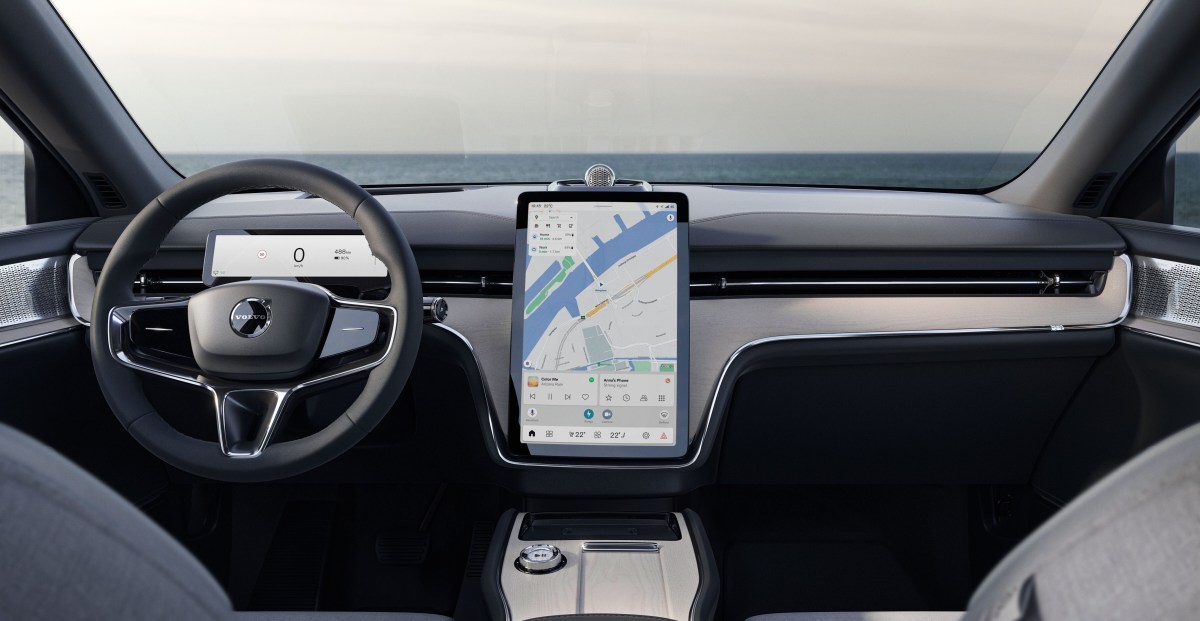
Google has recently announced the launch of a new version of its Android Automotive open-source operating system tailored for software-defined vehicles. While the previous iteration of Android Automotive was limited to the car’s infotainment system, Google is now broadening its scope to encompass the non-safety components of the vehicle’s internal computer system.
Addressing Fragmentation in the Automotive Industry
As cars evolve into “computers on wheels,” the industry faces significant fragmentation, with various manufacturers utilizing disparate software modules from numerous suppliers. Google aims to tackle this issue by positioning itself as the primary software provider for the industry.
However, Google asserts that its objective is not merely market domination; the company also strives to enhance the driving experience for users. With the introduction of the new Android Automotive OS for Software-Defined Vehicles, users can expect a more seamless in-car experience, with timely access to the latest features, as highlighted by Matt Crowley, Android Automotive’s group product manager, in a blog post.
“From a truly integrated voice experience to proactive maintenance reminders, your car will become a true extension of your digital life,” Crowley emphasizes.
“From a truly integrated voice experience to proactive maintenance reminders, your car will become a true extension of your digital life.”
— Matt Crowley, Android Automotive’s group product manager
Enhanced Features and Benefits
Google’s new software promises faster over-the-air updates, improved voice assistants, and proactive alerts for vehicle maintenance. Functions such as climate control, lighting, and seating adjustment will be under Android’s purview, extending beyond basic infotainment to create a unified ecosystem offering features like remote cabin conditioning, digital key management, and personalized driver profiles.
For automakers, the new system represents lower software development costs and an opportunity to focus on branding. By providing foundational code and a common software language, Google enables automakers to design unique experiences for their customers.
Collaboration and Expansion
Google has already begun collaborating with companies like Renault Group and Qualcomm to introduce its new software-defined vehicle version of Android Automotive to a wider range of cars. Several automakers, including Volvo, Polestar, General Motors, Nissan, and Honda, currently leverage the standard Android Automotive.
In a bid to persuade more automakers to adopt their software solutions, Google is in direct competition with Apple. While most automakers offer phone-mirroring services like Apple CarPlay and Android Auto, both tech giants are now delving deeper into core vehicle functions. Apple recently introduced CarPlay Ultra, a feature that controls essential functions such as HVAC and radio settings, available in select Aston Martin models and soon to be rolled out in Porsche vehicles.













The Rise of Black Market AI Accounts: A Lucrative Underground Trade

Google TV Users Unlock Free Gemini Upgrade for Enhanced Viewing Experience

Arinna Secures $4 Million in Seed Funding to Revolutionize Space Power Solutions

Get the Apple Watch SE 3 for $50 off – An Easy Choice!

Revolutionizing Automobile Technology: Android Automotive Takes Control at the Core of Vehicles

Top Digital Twin Solutions for Enterprise Success

Latest iOS Update: New Emoji, Enhanced Security, and More Features

The Future of Banking: AI Agents Take on Key Roles at Bank of America

Mercedes-Maybach S-Class Facelift: A Luxurious Blend of V8 and V12 Power

EU Takes Action Against Instagram and Facebook for Violating Illegal Content Rules

Warning: Facebook Creators Face Monetization Loss for Stealing and Reposting Videos

Facebook Compliance: ICE-tracking Page Removed After US Government Intervention

Facebook’s New Look: A Blend of Instagram’s Style

Facebook and Instagram to Reduce Personalized Ads for European Users

InstaDub: Meta’s AI Translation Tool for Instagram Videos

Reclaim Your Account: Facebook and Instagram Launch New Hub for Account Recovery

Meta discontinues Messenger apps for Windows and macOS

Breaking Updates: Meta Connect 2025 Unveils Latest Developments

Unboxing the $122,000 Smartphone. 🤯

Are Linux Smartphones about to KILL Android?

15 Smartphone FAILS to ruin your day 😂

World’s Biggest Smartphone Collection?

I switched to iPhone – This is what I found out.

What happened to Beats by Dre?

DON’T buy a Screen Protector before watching this.

Beware of Fake Reviewers! ⚠️

Xiaomi Mi 11 Unboxing & Review.
-
 Facebook5 months ago
EU Takes Action Against Instagram and Facebook for Violating Illegal Content Rules
-
 Facebook5 months ago
Warning: Facebook Creators Face Monetization Loss for Stealing and Reposting Videos
-
 Facebook5 months ago
Facebook Compliance: ICE-tracking Page Removed After US Government Intervention
-
 Facebook4 months ago
Facebook’s New Look: A Blend of Instagram’s Style
-
 Facebook4 months ago
Facebook and Instagram to Reduce Personalized Ads for European Users
-
 Facebook5 months ago
InstaDub: Meta’s AI Translation Tool for Instagram Videos
-
 Facebook4 months ago
Reclaim Your Account: Facebook and Instagram Launch New Hub for Account Recovery
-
 Apple5 months ago
Meta discontinues Messenger apps for Windows and macOS
