
Cars
Revolutionizing BMW: The Impact of the 2001 Reboot

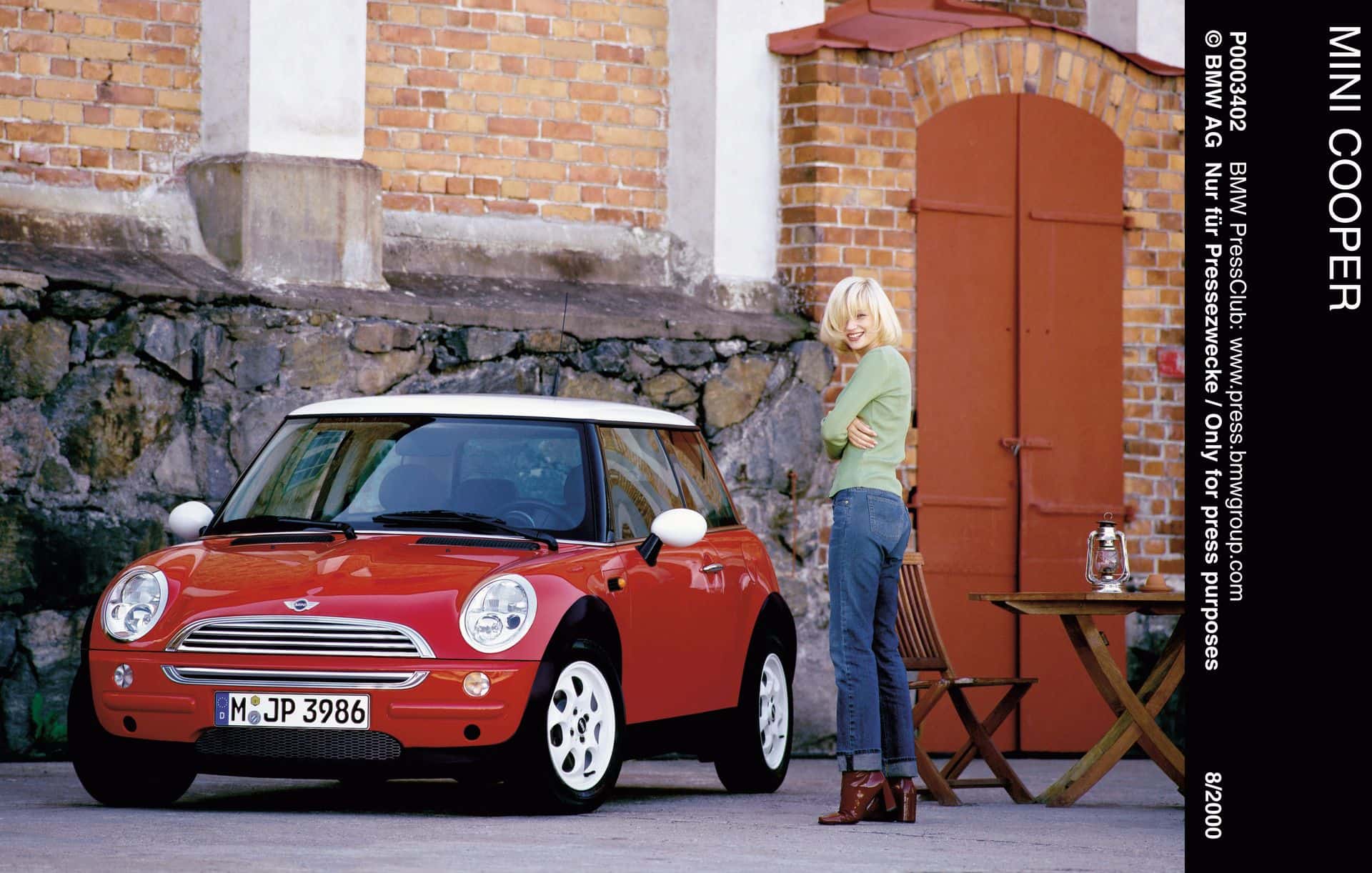
The Impact of the First Modern MINI on BMW’s History
Car anniversaries can sometimes seem contrived, but the unveiling of the first new MINI on April 26, 2001, marked a significant moment in BMW’s 100-year history. This event at Plant Oxford signified the beginning of series production for the first-generation modern MINI, which had a profound impact on the automotive industry.
Before this milestone, MINI was often seen as a retro-cool icon. However, with the launch of the new MINI, it transitioned into a mass-produced car with global appeal. This shift not only redefined MINI’s identity but also solidified BMW Group’s manufacturing presence in the UK, shaping the brand’s trajectory to this day.
The Takeover From Rover
BMW’s acquisition of MINI in the late 1990s was initially met with skepticism. At that time, small cars were predominantly viewed as utilitarian vehicles. MINI, under Rover’s ownership, struggled with outdated facilities, inconsistent quality, and a brand image that lagged behind competitors.
BMW’s approach to MINI was not rooted in nostalgia but in creating a premium subcompact vehicle that stood out in the market. The transformation of MINI under BMW’s ownership involved a complete overhaul of the brand, setting new standards for small car design and performance.
While Rover faced challenges with its portfolio of brands, BMW strategically repositioned MINI as a separate entity, similar to its approach with Rolls-Royce. The revitalization of MINI required significant investment in modernizing production facilities and reimagining the brand’s identity.
The Paris Reveal
Prior to the commencement of production at Plant Oxford, MINI made its global debut at the Mondial de l’Automobile in Paris on September 28, 2000. This unveiling marked a significant design evolution for MINI, emphasizing core elements from its iconic past while embracing modern advancements in engineering.
The mechanical specifications of the new MINI highlighted its compact size, responsive performance, and innovative features. BMW’s vision for MINI included a strategic rollout plan across different regions, underscoring the brand’s global aspirations.
Oxford and Swindon: The Reboot’s Production Backbone
The production of MINI body parts commenced in Swindon in early 2001, followed by the historic moment on April 26, 2001, when Plant Oxford produced its first car of the new MINI era. This inaugural vehicle, a MINI Cooper in Chili Red with white accents, symbolized a fresh start for the brand.
Over the years, Plant Oxford has played a pivotal role in the production of millions of MINIs, contributing to BMW’s overall manufacturing legacy. The success of MINI underscored its significance within the BMW Group and its ability to attract a diverse customer base.
What’s Next?
As MINI celebrates 25 years of modern innovation, the focus shifts towards the brand’s future trajectory. The advent of electrification presents new opportunities and challenges for MINI, balancing performance with sustainability.
While electric vehicles offer efficiency and environmental benefits, MINI enthusiasts advocate for maintaining a combustion option to preserve the brand’s legacy of dynamic driving experiences. Striking a balance between tradition and innovation will be crucial for MINI’s continued success in the evolving automotive landscape.
The evolution of MINI’s lineup across different generations reflects the brand’s commitment to innovation and adaptability, ensuring its relevance in the ever-changing market.











Is BMW Ready to Challenge the Dominance of the Escalade?

19 Smartphone Gadgets that Blew me Away.

Critical Flaw in Smart Slider Plugin Puts 500K WordPress Sites at Risk

Exclusive Deal: PS5 Pro Price Jumping to £789 Next Week!

Lunar Love: How Watch Club Aims to Dominate the Werewolf Romance Market

Revolutionizing Technology: How the Macintosh Forever Transformed the World of Computers

Tech Savvy Heroes: AirTag Child Rescue, DarkSword Hack, and More Adventures

Chinese Brand’s Newest Small Electric Hatch Sets Safety Standard with Anticipated Five-Star Rating

The Unforeseen Lessons: A Microsoft VP’s Journey from India to the Age of AI

EU Takes Action Against Instagram and Facebook for Violating Illegal Content Rules

Warning: Facebook Creators Face Monetization Loss for Stealing and Reposting Videos

Facebook Compliance: ICE-tracking Page Removed After US Government Intervention

Facebook’s New Look: A Blend of Instagram’s Style

Facebook and Instagram to Reduce Personalized Ads for European Users

InstaDub: Meta’s AI Translation Tool for Instagram Videos

Reclaim Your Account: Facebook and Instagram Launch New Hub for Account Recovery

Meta discontinues Messenger apps for Windows and macOS

Breaking Updates: Meta Connect 2025 Unveils Latest Developments
19 Smartphone Gadgets that Blew me Away.

iPhone 12 Pro Max Unboxing & Review!

iPhone 12 Pro Max vs Samsung Note 20 Ultra / Huawei Mate 40 Pro Camera Test Comparison.

iPhone 12 Pro Max vs Samsung Note 20 Ultra / Huawei / Xiaomi / OnePlus Battery Life DRAIN Test.

The BEST Smartphone of 2020 🏆

The Self-Healing Smartphones!

Apple is not what it used to be.

Smartphones are Boring now.

The Fastest Android Phone Ever.
-
 Facebook5 months ago
EU Takes Action Against Instagram and Facebook for Violating Illegal Content Rules
-
 Facebook6 months ago
Warning: Facebook Creators Face Monetization Loss for Stealing and Reposting Videos
-
 Facebook6 months ago
Facebook Compliance: ICE-tracking Page Removed After US Government Intervention
-
 Facebook4 months ago
Facebook’s New Look: A Blend of Instagram’s Style
-
 Facebook4 months ago
Facebook and Instagram to Reduce Personalized Ads for European Users
-
 Facebook6 months ago
InstaDub: Meta’s AI Translation Tool for Instagram Videos
-
 Facebook4 months ago
Reclaim Your Account: Facebook and Instagram Launch New Hub for Account Recovery
-
 Apple5 months ago
Meta discontinues Messenger apps for Windows and macOS
