
AI
Revolutionizing Data Center Interconnect with Cisco’s AI-Driven Router Technology

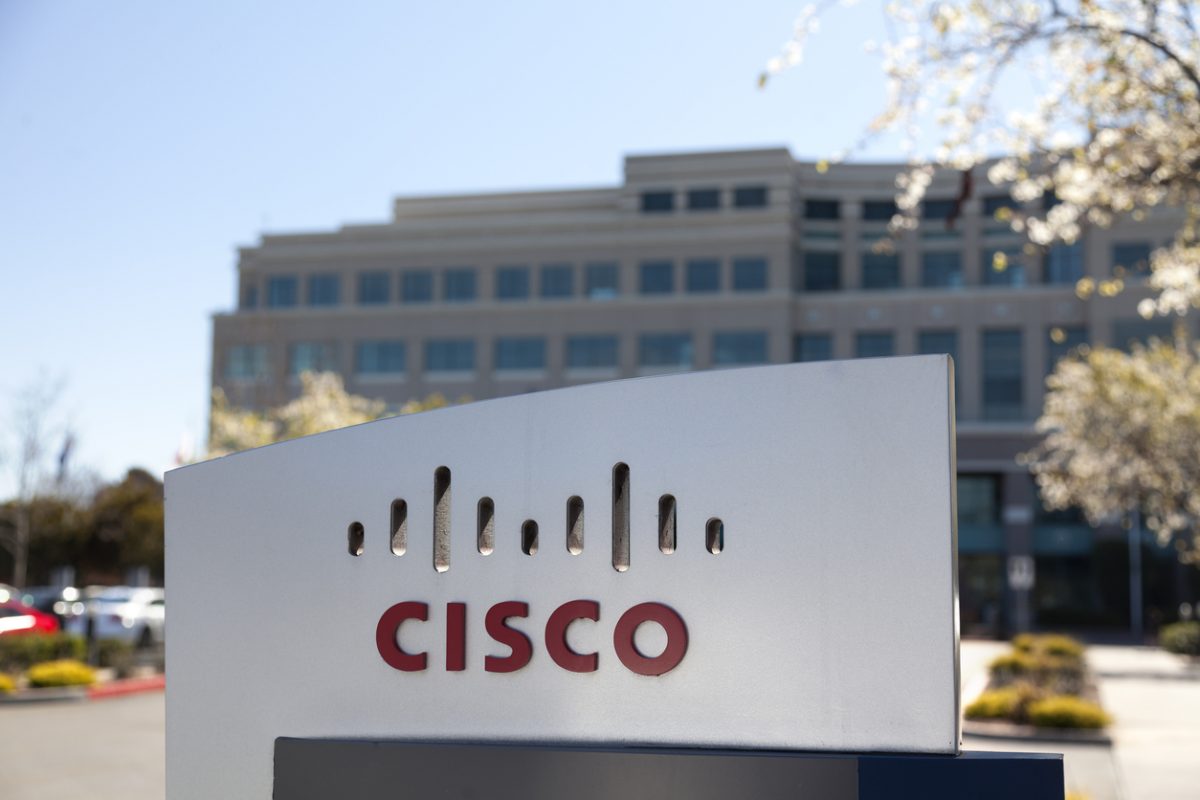
Cisco has recently joined the competitive race to dominate AI data center interconnect technology, unveiling purpose-built routing hardware designed to connect distributed AI workloads across multiple facilities. The networking giant introduced its 8223 routing system on October 8, featuring what it claims to be the industry’s first 51.2 terabit per second fixed router tailored for linking data centers running AI workloads.
Powered by the new Silicon One P200 chip, Cisco’s 8223 routing system addresses the challenge of scaling AI infrastructure beyond the confines of a single building. This move comes as other major players, such as Broadcom and Nvidia, have also introduced their solutions aimed at enhancing connectivity for AI workloads across data centers.
The increasing demand for AI compute power has pushed data centers to their limits in terms of physical space, power supply, and cooling capacity. This has led to the need for reliable and secure connections between data centers located miles apart. Cisco’s 8223 system offers a solution by enabling the distribution of AI workloads across multiple data centers, thereby alleviating the strain on individual facilities.
Traditional routers are ill-equipped to handle the unique traffic patterns generated by AI workloads, which often involve intense bursts of data movement. In contrast, the 8223 system boasts deep buffering capabilities provided by the P200 chip, allowing it to absorb traffic surges and prevent network congestion.
Furthermore, the 8223 system supports 800G coherent optics, facilitating long-distance connections between data centers—an essential feature for the geographic distribution of AI infrastructure. Major hyperscalers like Microsoft and Alibaba Cloud have already started deploying this technology, recognizing its value across various use cases.
In terms of programmability, the P200 chip offers organizations the flexibility to adapt to evolving AI networking requirements without the need for costly hardware upgrades. This aspect is crucial as AI networking standards continue to evolve rapidly.
Security considerations are also paramount in the design of the 8223 system, with features such as line-rate encryption and integration with Cisco’s observability platforms to ensure network monitoring and security.
Despite facing competition from established players like Broadcom and Nvidia, Cisco’s long-standing presence in enterprise and service provider networks, along with its mature Silicon One portfolio, positions it well in the market. The 8223 system ships with open-source SONiC support initially, with IOS XR planned for future availability, offering flexibility in deployment options.
As the industry moves towards efficiently connecting distributed AI infrastructure, Cisco’s approach with the 8223 system presents a compelling solution. The ultimate winner in this space will be determined by factors beyond technical specifications, such as the ability to deliver a comprehensive ecosystem of software, support, and integration capabilities.
Overall, Cisco’s 8223 system represents a significant step towards addressing the challenges of scaling AI infrastructure across data centers, paving the way for a more interconnected and efficient AI ecosystem.










DON’T buy a Screen Protector before watching this.

Exploiting Vulnerable Drivers: How EDR Killers Use BYOVD to Disable Security

Alphabet’s X Unveils Innovative Spinout Targeting Costly Bureaucratic Challenges

Lawsuit: Halide co-founder accuses Sebastiaan de With of code theft for Apple

Previewing the Next Level: Apple Unveils iOS 26.4 RC for iPhone with Exciting New Features

Revamped Design: BMW’s Modern Makeover for the i3 Sedan

GitHub Actions Exploited in Trivy Vulnerability Scanner Breach, Infostealer Unleashed

Minecraft Dungeons II: The Battle Continues

Feeding Frenzy: How AI Startups are Revolutionizing the Venture Industry with Impressive Returns

EU Takes Action Against Instagram and Facebook for Violating Illegal Content Rules

Warning: Facebook Creators Face Monetization Loss for Stealing and Reposting Videos

Facebook Compliance: ICE-tracking Page Removed After US Government Intervention

Facebook’s New Look: A Blend of Instagram’s Style

Facebook and Instagram to Reduce Personalized Ads for European Users

InstaDub: Meta’s AI Translation Tool for Instagram Videos

Reclaim Your Account: Facebook and Instagram Launch New Hub for Account Recovery

Meta discontinues Messenger apps for Windows and macOS

Breaking Updates: Meta Connect 2025 Unveils Latest Developments

Beware of Fake Reviewers! ⚠️

Xiaomi Mi 11 Unboxing & Review.

The Galaxy S21 Ultra is Better than you think.

Samsung Galaxy S21 Ultra vs iPhone 12 Pro Max Camera Test Comparison.

Samsung S21 Ultra vs iPhone Battery Life Test!

The Truth about Xiaomi “Air Charging”

DON’T buy this Smartphone.

Galaxy S21 Ultra – Exynos vs Snapdragon.

I bought the strangest smartphones ever.
-
 Facebook5 months ago
EU Takes Action Against Instagram and Facebook for Violating Illegal Content Rules
-
 Facebook5 months ago
Warning: Facebook Creators Face Monetization Loss for Stealing and Reposting Videos
-
 Facebook5 months ago
Facebook Compliance: ICE-tracking Page Removed After US Government Intervention
-
 Facebook3 months ago
Facebook’s New Look: A Blend of Instagram’s Style
-
 Facebook3 months ago
Facebook and Instagram to Reduce Personalized Ads for European Users
-
 Facebook5 months ago
InstaDub: Meta’s AI Translation Tool for Instagram Videos
-
 Facebook4 months ago
Reclaim Your Account: Facebook and Instagram Launch New Hub for Account Recovery
-
 Apple5 months ago
Meta discontinues Messenger apps for Windows and macOS
