
Inovation
Revolutionizing Electronics: Real-Time Chip Monitoring with X-Ray Breakthrough

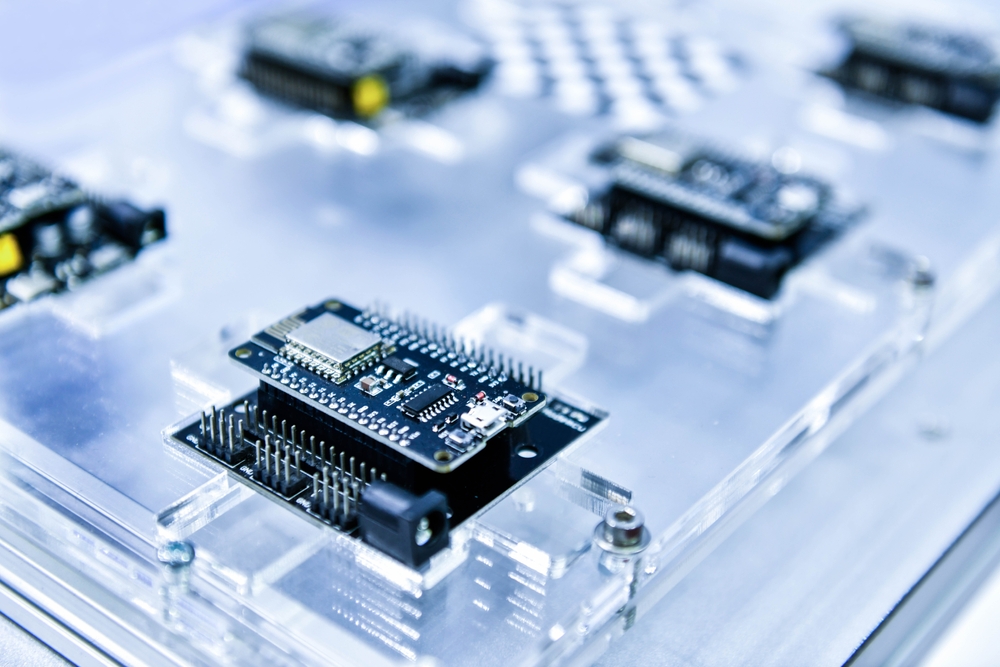
A Breakthrough in Electronic Chip Monitoring: Observing Chips in Action
International researchers have developed a cutting-edge method to observe the inner workings of electronic chips while they are operational, revolutionizing the monitoring process.
By utilizing terahertz waves, a form of electromagnetic radiation that is both safe and non-ionizing, researchers can now detect minute movements of electrical charge within fully packaged semiconductor devices without the need to physically touch or disrupt the chips.
This innovative technique allows scientists and engineers to monitor electronic components in real-world scenarios for the first time, providing invaluable insights into chip performance.
Overcoming Previous Monitoring Challenges
Traditional methods of monitoring electronic chips often involved invasive techniques that required physical probes, exposed chips, or powering down devices, rendering them impractical in many situations.
Professor Withawat Withayachumnankul, Group Leader of the Terahertz Engineering Laboratory at Adelaide University, highlighted the significance of this breakthrough, emphasizing the critical role semiconductors play in modern technology.
Terahertz Waves: A Game-Changer in Chip Monitoring
The study showcases how terahertz waves can non-invasively detect changes in electric current within common electronic components like diodes and transistors, surpassing previous limitations in detecting signals smaller than the terahertz wavelength.
Professor Withayachumnankul explained that this research marks a crucial advancement in observing electrical activity within sealed semiconductor devices without causing any damage or disruption to their operation.
Enhanced Detection System for Real-Time Monitoring
The researchers developed an ultra-sensitive detection system incorporating a specialized homodyne quadrature receiver, capable of picking up subtle changes in terahertz signals.
This sophisticated approach enables the system to eliminate background noise and isolate the faint signals generated by electrical activity inside the devices, providing a real-time view of electronics in action even within sealed packaging.
The researchers confirmed that the signals observed were a result of genuine electrical motion, ruling out heat or electronic interference as potential causes.
Furthermore, the technique proved effective across various semiconductor components, underscoring its versatility and broad applicability.
Applications in Safety-Critical Systems
Professor Withayachumnankul emphasized the societal and industrial implications of this technique, particularly its potential in safety-critical applications where traditional inspection methods involving X-rays or invasive probing may not be feasible.
The non-ionizing nature of terahertz radiation presents a safer alternative for monitoring high-power electronics that cannot be easily taken offline, offering a crucial advantage in critical scenarios.
Enhancing Security and Defense
Lead investigator Dr. Chitchanok Chuengsatiansup, a Professor of Cybersecurity, highlighted the benefits of remotely assessing electronic activity for security and defense purposes.
This breakthrough enables the verification of hardware integrity, detection of compromised components, and monitoring of systems with limited physical access, paving the way for smarter, self-diagnosing electronics and accelerated development of next-generation chips.












Microsoft’s Solution to Windows Update Woes: The Ability to Pause Indefinitely

AlexaPhone: The Ultimate Smart Assistant in Your Pocket

Revolutionizing Electronics: Real-Time Chip Monitoring with X-Ray Breakthrough

Uncovering Russian Intelligence: The FBI’s Investigation into Signal Phishing Attacks

Sony Unveils New Online Gaming Network: PlayStation Network Retires

Unveiling the Limitless Possibilities of the Pixel 10 Pro Phone

The Unforgettable Events of Nvidia GTC: NemoClaw, Robot Olaf, and a High-Stakes $1 Trillion Wager

AI-Driven Google Search Revolutionizes Headline Generation

Maximizing Your Tax Refund: The Secret to Cutting Your Phone Bill

EU Takes Action Against Instagram and Facebook for Violating Illegal Content Rules

Warning: Facebook Creators Face Monetization Loss for Stealing and Reposting Videos

Facebook Compliance: ICE-tracking Page Removed After US Government Intervention

Facebook’s New Look: A Blend of Instagram’s Style

Facebook and Instagram to Reduce Personalized Ads for European Users

InstaDub: Meta’s AI Translation Tool for Instagram Videos

Reclaim Your Account: Facebook and Instagram Launch New Hub for Account Recovery

Meta discontinues Messenger apps for Windows and macOS

Breaking Updates: Meta Connect 2025 Unveils Latest Developments

The Galaxy S21 Ultra is Better than you think.

Samsung Galaxy S21 Ultra vs iPhone 12 Pro Max Camera Test Comparison.

Samsung S21 Ultra vs iPhone Battery Life Test!

The Truth about Xiaomi “Air Charging”

DON’T buy this Smartphone.

Galaxy S21 Ultra – Exynos vs Snapdragon.

I bought the strangest smartphones ever.

The REAL reason you don’t get a charger anymore.

What you didn’t know about Xiaomi.
-
 Facebook5 months ago
EU Takes Action Against Instagram and Facebook for Violating Illegal Content Rules
-
 Facebook5 months ago
Warning: Facebook Creators Face Monetization Loss for Stealing and Reposting Videos
-
 Facebook5 months ago
Facebook Compliance: ICE-tracking Page Removed After US Government Intervention
-
 Facebook3 months ago
Facebook’s New Look: A Blend of Instagram’s Style
-
 Facebook3 months ago
Facebook and Instagram to Reduce Personalized Ads for European Users
-
 Facebook5 months ago
InstaDub: Meta’s AI Translation Tool for Instagram Videos
-
 Facebook4 months ago
Reclaim Your Account: Facebook and Instagram Launch New Hub for Account Recovery
-
 Apple5 months ago
Meta discontinues Messenger apps for Windows and macOS
