
AI
Revolutionizing Enterprise Operations: The Role of HR in Implementing AI at e&

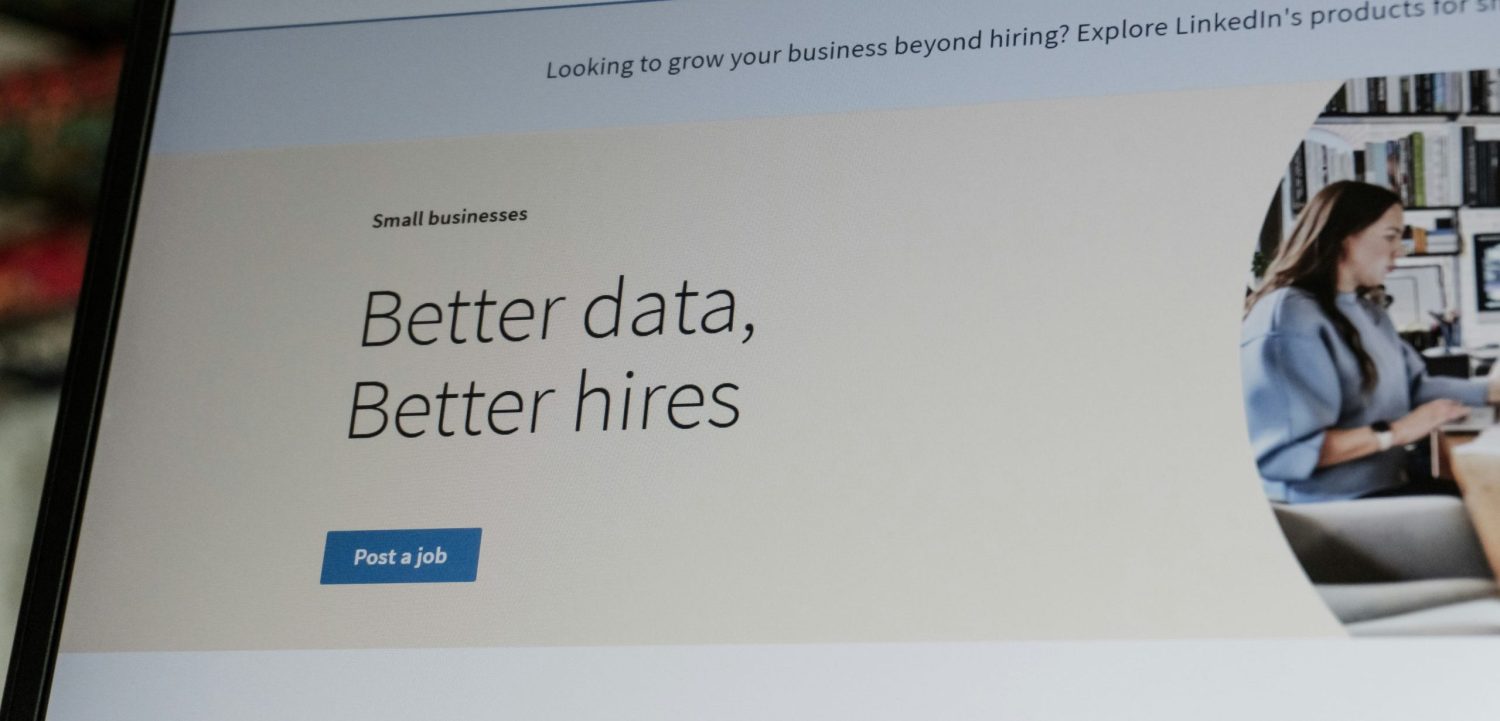
Enterprises are increasingly turning to AI to revolutionize their operations, starting with the backbone of the organization – human resources. This shift towards AI integration is evident in the way large companies are reimagining their workforce systems. One such example is telecommunications giant e&, which is transitioning its HR operations to an AI-first model, covering a workforce of approximately 10,000 employees. The company is leveraging Oracle Fusion Cloud Human Capital Management (HCM) deployed in an Oracle Cloud Infrastructure dedicated region to facilitate this transformation.
This strategic change goes beyond simply introducing AI features; it involves a fundamental restructuring of how HR processes are managed. The implementation of automated and AI-driven tools is expected to streamline recruitment screening, interview coordination, and employee learning recommendations. The overarching goal is to standardize processes across different regions and provide managers with expedited access to workforce data and insights.
HR as an enterprise AI proving ground
HR serves as a logical entry point for enterprise AI initiatives due to the repetitive nature of many HR tasks, such as candidate matching, onboarding, leave management, and training assignments. These standardized workflows generate consistent data patterns, making them ripe for automation. By integrating AI into HR processes, organizations can test the reliability, governance, and user acceptance of AI technologies in a controlled environment before expanding into more sensitive areas.
The choice of infrastructure also reflects the delicate balance between innovation and compliance. The deployment of the system in a dedicated cloud region by Oracle is designed to address data sovereignty and regulatory concerns. For multinational corporations, managing workforce data involves navigating privacy laws, employment regulations, and corporate governance requirements. By running AI tools in a controlled environment, companies aim to mitigate risks while exploring the benefits of automation.
Governance, compliance, and internal risk management
The adoption of AI in enterprise settings often begins with internal transformations rather than external disruptions. While customer-facing AI systems garner attention, they also pose reputational and operational risks if they malfunction. In contrast, HR platforms operate behind the scenes, allowing for easier monitoring, auditing, and correction within existing governance frameworks.
Research indicates that organizations are increasingly transitioning AI projects from pilot phases to production environments, with a focus on productivity and workflow automation. This shift towards scaled deployment is particularly evident in administrative and operational processes, which serve as practical entry points for AI integration.
Workforce systems offer a natural environment for AI assistants and agents to thrive. HR teams frequently handle employee queries related to policies, benefits, and training, making them ideal candidates for conversational AI tools. By embedding such tools into HR workflows, organizations can reduce manual workload and improve employee access to information.
Scaling AI inside the organization
The evolution of HR automation with AI is not merely about introducing new technology but expanding the scope of what can be automated. Traditional HR software focused on record-keeping and workflow management, while AI adds predictive matching, pattern analysis, and decision support capabilities. This expansion raises important governance considerations such as data quality, bias mitigation, auditability, and employee trust.
While automating certain HR functions reduces the need for manual coordination, it also emphasizes the importance of human oversight in policy interpretation, employee engagement, and exception handling. Organizations implementing AI-driven systems must establish clear escalation paths and review processes to prevent over-reliance on automated outputs.
The current trend in AI adoption involves large-scale deployments covering thousands of employees, transforming AI from an experimental phase into operational infrastructure. This necessitates a real-time focus on reliability, training, and change management to ensure consistent performance across different regions, languages, and regulatory frameworks.
As enterprises seek low-risk entry points for AI integration, workforce operations are likely to remain at the forefront. These operations offer structured data, repeatable workflows, and measurable outcomes that are conducive to automation while still allowing for human judgment. The experiences of early adopters in HR automation will shape the pace at which other internal functions, such as finance and procurement, follow suit.
(Image by Zulfugar Karimov)
For more insights on AI and big data, explore industry-leading discussions at the upcoming AI & Big Data Expo happening in Amsterdam, California, and London as part of TechEx. Stay updated on enterprise technology events and webinars by TechForge Media here.











Valhalla: The Ultimate Road-Ready Supercar

Hands-Free Ordering: How Alexa Simplifies Grubhub and Uber Eats

iPhone 12 / 12 Pro Unboxing – ft MKBHD!

Stealthy Malware Tactics: ClickFix and WMI Persistence in Browser Credential Theft

The Long Dark Reaches a Conclusion, But It’s Just the Beginning

Yupp.ai’s Closure: A Reflection on the Rise and Fall of a16z’s Investment

Half a Century of Apple: Celebrating the Successes and Challenges

Upgrade Your Email Identity: Say Goodbye to Your Embarrassing Gmail Username

Bloodbath: A Brutal Display with a Missing Edge

EU Takes Action Against Instagram and Facebook for Violating Illegal Content Rules

Warning: Facebook Creators Face Monetization Loss for Stealing and Reposting Videos

Facebook Compliance: ICE-tracking Page Removed After US Government Intervention

Facebook’s New Look: A Blend of Instagram’s Style

Facebook and Instagram to Reduce Personalized Ads for European Users

InstaDub: Meta’s AI Translation Tool for Instagram Videos

Reclaim Your Account: Facebook and Instagram Launch New Hub for Account Recovery

Meta discontinues Messenger apps for Windows and macOS

Breaking Updates: Meta Connect 2025 Unveils Latest Developments
iPhone 12 / 12 Pro Unboxing – ft MKBHD!

iPhone 12 Pro vs iPhone 12 vs iPhone 11 Pro Camera Test Comparison.

Huawei Mate 40 Pro Unboxing – WHAT.

iPhone 12 vs iPhone 12 Pro / 11 Pro Max / 11 Pro / 11 / XR / SE Battery Life DRAIN Test.

19 Smartphone Gadgets that Blew me Away.

iPhone 12 Pro Max Unboxing & Review!

iPhone 12 Pro Max vs Samsung Note 20 Ultra / Huawei Mate 40 Pro Camera Test Comparison.

iPhone 12 Pro Max vs Samsung Note 20 Ultra / Huawei / Xiaomi / OnePlus Battery Life DRAIN Test.

The BEST Smartphone of 2020 🏆
-
 Facebook5 months ago
EU Takes Action Against Instagram and Facebook for Violating Illegal Content Rules
-
 Facebook6 months ago
Warning: Facebook Creators Face Monetization Loss for Stealing and Reposting Videos
-
 Facebook6 months ago
Facebook Compliance: ICE-tracking Page Removed After US Government Intervention
-
 Facebook4 months ago
Facebook’s New Look: A Blend of Instagram’s Style
-
 Facebook4 months ago
Facebook and Instagram to Reduce Personalized Ads for European Users
-
 Facebook6 months ago
InstaDub: Meta’s AI Translation Tool for Instagram Videos
-
 Facebook4 months ago
Reclaim Your Account: Facebook and Instagram Launch New Hub for Account Recovery
-
 Apple5 months ago
Meta discontinues Messenger apps for Windows and macOS
