
Cars
Revolutionizing Performance: The 2027 BMW M3 Electric with Four Motors and Zero Differentials

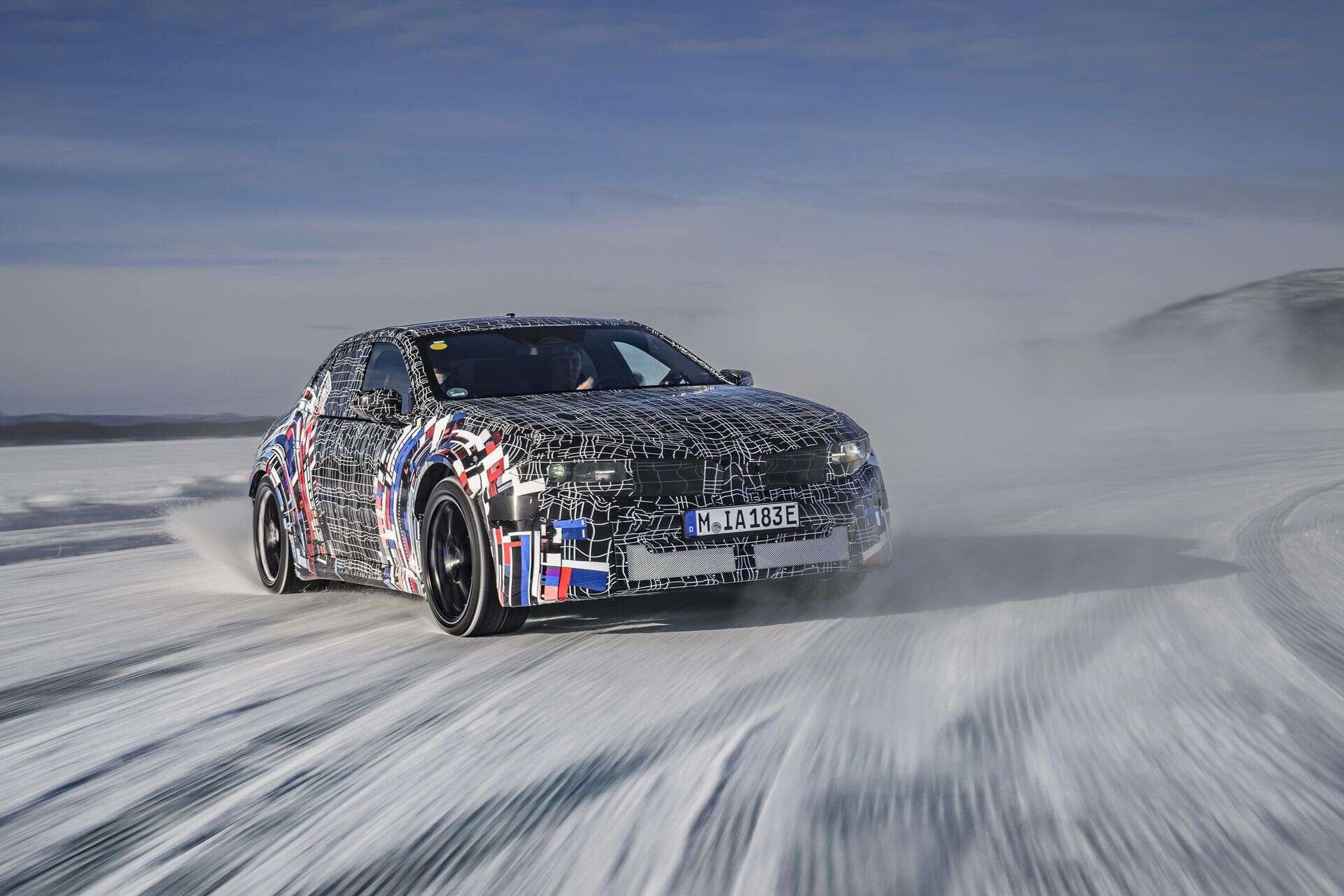
The upcoming BMW M3, with the internal code ZA0, is set to debut in 2027 with a groundbreaking drivetrain that represents a departure from traditional mechanical configurations. This electric M3, part of the M Neue Klasse lineup, will feature four independent electric motors—one per wheel—eliminating the need for mechanical differentials. This innovative approach marks a significant shift in engineering for a model that has long been a staple in the sport sedan segment.
The Foundation: Standard iX3 Drivetrain Overview
Before delving into the specifics of the M3, it’s essential to understand the Gen6 batteries and motors that serve as the basis for the M variant. The standard iX3 configuration includes a two-motor setup:
- Rear axle: EESM (Externally Excited Synchronous Motor) generating 240 kW
- Front axle: ASM (Asynchronous Motor) producing 123 kW
- Combined system output: 345 kW (462 hp)
The battery pack offers a usable capacity of 108.7 kWh (112 kWh gross), enabling a range of 805 kilometers. The system supports 400 kW DC fast charging and achieves an efficiency of 15.1 kWh/100km. Compared to the Gen5 technology, the Gen6 drivetrain boasts reduced losses, weight reduction, and lower manufacturing costs.
Four Motors, Four Wheels, Innovative Architecture
The M eDrive system introduces four motors—one for each wheel—in a groundbreaking design that eliminates mechanical links between the wheels. Each wheel is equipped with an individual gearbox for independent control, revolutionizing the traditional drivetrain setup.
While the specifics of the motor types remain undisclosed, the front and rear drive units are designed for maximum modularity while maintaining individual wheel control, a key feature of the M Dynamic Performance Control system.
Advantages of the New Architecture
BMW engineers cite the ability to control each wheel independently as a significant advantage of this new architecture. By eliminating mechanical differentials and torque-splitting gears, the M3 aims to provide maximum freedom and agility on the road.
The focus on predictability and consistency signals BMW’s commitment to creating a driving experience that is both exhilarating and repeatable. The integration of advanced software and high-performance computing ensures that the M3 remains true to the legacy of the BMW M lineup.
The centralized architecture in the BMW M3 should allow for faster processing compared to distributed systems. However, the true test will be in the driving experience, not just the specifications.
One key technology that enables this performance is the BMW M Dynamic Performance Control, made possible by the four-motor hardware. This system provides precise control of torque and power at each individual wheel, optimal traction up to the limit, continuous torque distribution between the braking system and electric motors, brake energy recuperation at the limit, and maximum recuperation efficiency. This system can modulate each wheel independently at high speeds, potentially eliminating lag seen in other torque vectoring systems.
To maintain the traditional rear-wheel-drive M3 handling characteristics, the front axle can be completely disconnected mechanically. This allows the car to behave as a true rear-wheel-drive vehicle, preserving the front end responsiveness, rear end communicativeness, and throttle-adjustable balance that M3s are known for. This mechanical disconnect also improves efficiency and range by eliminating drag losses from spinning front motors during highway cruising.
The BMW M3’s battery is designed with a focus on power delivery rather than just energy density. This Design to Power approach sacrifices some range for sustained high-power output needed for track driving. The battery still offers over 100 kWh of usable capacity with 800-volt architecture for fast charging, optimized cooling systems, and BMW’s Energy Master intelligent battery management system for higher power outputs.
The Gen6 cell-to-pack architecture in the M3’s battery eliminates the module structure used in other models, allowing cylindrical cells to be placed directly into the housing in rows. This design saves material, increases energy density, and offers cost and weight advantages. The battery housing also serves as a structural element, connecting front and rear subframes to increase chassis rigidity for improved handling precision.
BMW’s emphasis on in-house development and vertical integration, including producing the Energy Master, developing battery cells with partners, and self-producing the battery in-house, showcases the company’s capabilities in creating a unique and high-performance electric vehicle like the BMW M3. BMW has revealed that all upcoming electric M models will feature natural fiber composite materials, a first for M production vehicles. According to Brunn, “We’re excited to announce that we will be incorporating these natural fiber elements into all fully electric BMW M models in the future.” This material has been specifically developed for BMW and cannot be purchased elsewhere in the same specification.
Since 2019, BMW has been utilizing natural fibers in motorsport to gain experience in durability and production. These fibers offer similar properties to carbon fiber but can be manufactured with around 40% less CO2 emissions, aligning with performance and sustainability objectives.
The driving experience of the electric M3 has been described as “insane” by those who have tested the prototypes. Brunn, who had the opportunity to drive the M prototypes, expressed his enthusiasm for the performance, stating that “the performance is so impressive that it leaves you smiling after driving it, it’s truly remarkable.”
BMW M CEO Franciscus van Meel has promised that the electric M3 will set a new standard in the high-performance vehicle segment. While the hardware foundation is in place, the success of the electric M3 will ultimately depend on the software’s ability to provide predictability, consistency, and a natural driving feel that distinguishes great M cars from simply fast ones.
Several key details about the electric M3, including total power output, individual motor power ratings, battery capacity, vehicle weight, range, charging speeds, and pricing, remain undisclosed by BMW. These specifics are expected to be revealed closer to the vehicle’s launch date.
The technical specifications of the M3 Electric include an architecture featuring four independent electric motors, two drive units housing two motors each, individual gearboxes per wheel, a battery with over 100 kWh usable capacity, and natural fiber composites that reduce CO2 emissions by 40% compared to carbon fiber. The launch of the M3 Electric is scheduled for 2027 as part of the M Neue Klasse lineup.
In conclusion, BMW’s commitment to innovation and high-end technology is evident in the development of the M eDrive motors and the integration of natural fiber composite materials in future electric M models. The anticipation for the electric M3’s performance and capabilities is high, with promises of setting new benchmarks in the high-performance vehicle market. The success of the electric M3 will hinge on the seamless integration of cutting-edge hardware and software to deliver an exceptional driving experience. Transform the following:
“He runs quickly”
to
“He is a fast runner”









Apple Bids Farewell to the Mac Pro Tower: Is it Truly Dead?

Porsche 911 GT3 RS Facelift: Unveiling the 992.2 Model in August 2026

Bearlyfy Strikes Russian Companies with Unique GenieLocker Ransomware Attack

Innovative Ventures: The 8 Startups Investors Can’t Resist from YC Demo Day

The Future of iPhone Cameras: Is a 200 MP Lens Coming Soon?

Celebrating the First iX3 Delivery at BMW’s Debrecen Factory

iPhone 12 Pro Max vs Samsung Note 20 Ultra / Huawei / Xiaomi / OnePlus Battery Life DRAIN Test.

Stealthy Malware: The Hidden Threat Within Telnyx PyPI Package

Harvest of Suspicion: Grave Seasons Murder Mystery Farming Sim Arrives in August

EU Takes Action Against Instagram and Facebook for Violating Illegal Content Rules

Warning: Facebook Creators Face Monetization Loss for Stealing and Reposting Videos

Facebook Compliance: ICE-tracking Page Removed After US Government Intervention

Facebook’s New Look: A Blend of Instagram’s Style

Facebook and Instagram to Reduce Personalized Ads for European Users

InstaDub: Meta’s AI Translation Tool for Instagram Videos

Reclaim Your Account: Facebook and Instagram Launch New Hub for Account Recovery

Meta discontinues Messenger apps for Windows and macOS

Breaking Updates: Meta Connect 2025 Unveils Latest Developments
iPhone 12 Pro Max vs Samsung Note 20 Ultra / Huawei / Xiaomi / OnePlus Battery Life DRAIN Test.

The BEST Smartphone of 2020 🏆

The Self-Healing Smartphones!

Apple is not what it used to be.

Smartphones are Boring now.

The Fastest Android Phone Ever.

Unboxing the $122,000 Smartphone. 🤯

Are Linux Smartphones about to KILL Android?

15 Smartphone FAILS to ruin your day 😂
-
 Facebook5 months ago
EU Takes Action Against Instagram and Facebook for Violating Illegal Content Rules
-
 Facebook5 months ago
Warning: Facebook Creators Face Monetization Loss for Stealing and Reposting Videos
-
 Facebook5 months ago
Facebook Compliance: ICE-tracking Page Removed After US Government Intervention
-
 Facebook4 months ago
Facebook’s New Look: A Blend of Instagram’s Style
-
 Facebook4 months ago
Facebook and Instagram to Reduce Personalized Ads for European Users
-
 Facebook5 months ago
InstaDub: Meta’s AI Translation Tool for Instagram Videos
-
 Facebook4 months ago
Reclaim Your Account: Facebook and Instagram Launch New Hub for Account Recovery
-
 Apple5 months ago
Meta discontinues Messenger apps for Windows and macOS
