
AI
Revolutionizing the Industry: Tesla and Intel Join Forces, Cutting Costs by 10% Compared to Nvidia

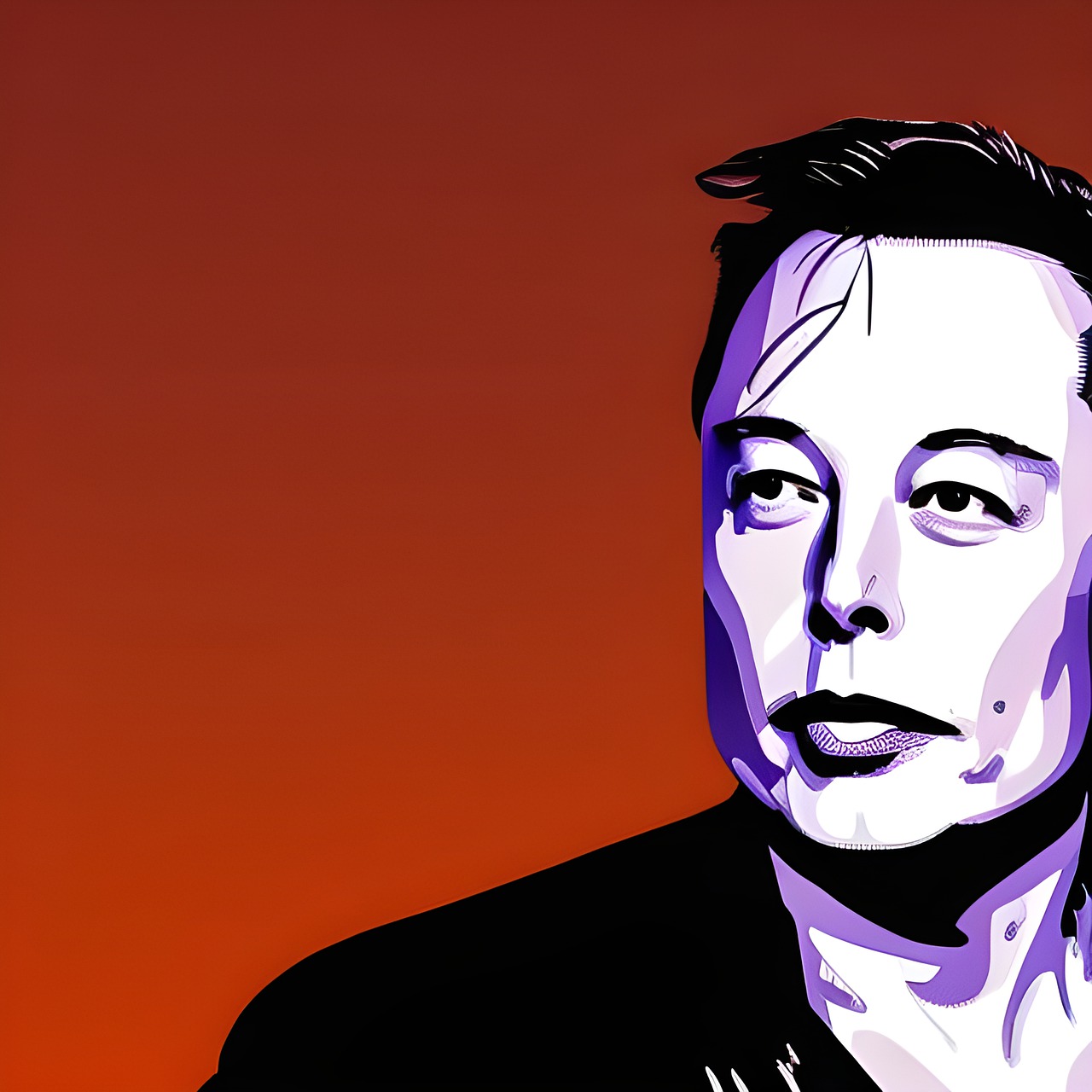
In a groundbreaking move, Tesla and Intel are exploring a potential partnership to develop AI chips that could revolutionize the industry by offering a significant cost advantage over Nvidia. This development has caught the attention of enterprise technology leaders due to its potential to reshape AI infrastructure.
During Tesla’s annual shareholder meeting on November 6, 2025, CEO Elon Musk announced the company’s consideration of collaborating with Intel to produce its fifth-generation AI chips. This strategic shift in AI computing hardware manufacturing has the potential to disrupt the market.
Although no deal has been finalized, Musk’s statement about the possible partnership with Intel caused a 4% increase in Intel’s shares after hours, indicating the market’s enthusiasm for the collaboration.
The Strategic Context
Tesla’s interest in partnering with Intel comes at a crucial time for both companies. Tesla is developing its AI5 chip to power its autonomous driving systems and has identified supply constraints that existing partnerships cannot fully address.
On the other hand, Intel sees this partnership as an opportunity to catch up in the AI chip race and leverage its newest manufacturing technology. The recent investment by the US government in Intel underscores the strategic importance of domestic chip manufacturing.
Cost and Performance Implications
Musk’s projections suggest that Tesla’s AI5 chip could offer significant cost savings and efficiency compared to Nvidia’s flagship Blackwell chip. If realized, these performance targets could have a profound impact on AI deployment economics.
Furthermore, Musk highlighted that the chip would be not only cost-effective but also power-efficient and optimized for Tesla’s software.
Production Timeline and Scale
Tesla’s chip production roadmap indicates a gradual ramp-up, with a small number of AI5 units expected in 2026 and high-volume production by 2027. Musk also hinted at the development of AI6 with twice the performance by mid-2028.
The proposed “terafab” facility aims to scale up chip manufacturing capacity domestically, potentially reducing supply chain vulnerabilities in the technology industry.
Implications for Enterprise Decision-Makers
Key considerations for enterprise leaders include supply chain resilience, potential cost structure changes, technology sovereignty, and the pace of innovation in AI hardware. These factors should inform technology sourcing and infrastructure decisions.
The Broader Industry Context
Musk’s statements coincide with the backdrop of US-China technology competition and export restrictions impacting Nvidia’s business in China. While no formal agreement has been announced between Tesla and Intel, the market’s response suggests substantive discussions may be underway.
Organizations should stay agile in their infrastructure strategy and monitor how partnerships like Tesla-Intel could reshape the competitive landscape of AI hardware manufacturing.
Decisions made today about chip manufacturing partnerships could determine access to cost-effective, high-performance AI infrastructure in the future.

For more insights on AI and big data from industry experts, explore the AI & Big Data Expo events in Amsterdam, California, and London, co-located with other leading technology events under TechEx. Visit here for details.
Stay informed with TechForge Media for upcoming enterprise technology events and webinars here.











Unveiling the Powerhouse: Mercedes-AMG GT Black Series with Dynamic Aero System Spotted at Nurburgring

iPhone 12 Pro Max Unboxing & Review!

European Commission Launches Investigation into Amazon Cloud Account Breach

Drama and Dollars: The Evolution of Soap Opera-TikTok Hybrids

Maximizing MacBook Battery Life: Tips for Charging Slowly and Setting Charge Limits

Lost Legacy: The Disappearance of AC Schnitzer and the Changing Automotive Landscape

Cyber Warfare: The Battlefront of the Digital Age

Monster Hunter Stories 3: The Challenge of Twisted Reflection

Revolutionizing Cash-Pay Clinic Prescribing: VITL Secures $7.5M Amid GLP-1 Boom

EU Takes Action Against Instagram and Facebook for Violating Illegal Content Rules

Warning: Facebook Creators Face Monetization Loss for Stealing and Reposting Videos

Facebook Compliance: ICE-tracking Page Removed After US Government Intervention

Facebook’s New Look: A Blend of Instagram’s Style

Facebook and Instagram to Reduce Personalized Ads for European Users

InstaDub: Meta’s AI Translation Tool for Instagram Videos

Reclaim Your Account: Facebook and Instagram Launch New Hub for Account Recovery

Meta discontinues Messenger apps for Windows and macOS

Breaking Updates: Meta Connect 2025 Unveils Latest Developments
iPhone 12 Pro Max Unboxing & Review!

iPhone 12 Pro Max vs Samsung Note 20 Ultra / Huawei Mate 40 Pro Camera Test Comparison.

iPhone 12 Pro Max vs Samsung Note 20 Ultra / Huawei / Xiaomi / OnePlus Battery Life DRAIN Test.

The BEST Smartphone of 2020 🏆

The Self-Healing Smartphones!

Apple is not what it used to be.

Smartphones are Boring now.

The Fastest Android Phone Ever.

Unboxing the $122,000 Smartphone. 🤯
-
 Facebook5 months ago
EU Takes Action Against Instagram and Facebook for Violating Illegal Content Rules
-
 Facebook6 months ago
Warning: Facebook Creators Face Monetization Loss for Stealing and Reposting Videos
-
 Facebook6 months ago
Facebook Compliance: ICE-tracking Page Removed After US Government Intervention
-
 Facebook4 months ago
Facebook’s New Look: A Blend of Instagram’s Style
-
 Facebook4 months ago
Facebook and Instagram to Reduce Personalized Ads for European Users
-
 Facebook6 months ago
InstaDub: Meta’s AI Translation Tool for Instagram Videos
-
 Facebook4 months ago
Reclaim Your Account: Facebook and Instagram Launch New Hub for Account Recovery
-
 Apple5 months ago
Meta discontinues Messenger apps for Windows and macOS
