
Gadgets
Samsung Galaxy Watch: Monitoring Blood Pressure with the Latest Upgrade

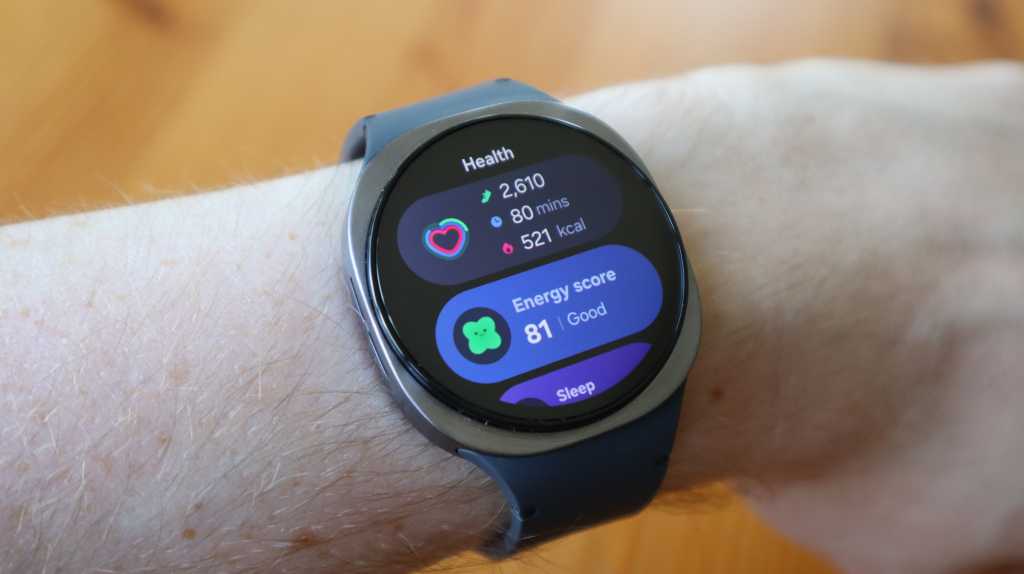
If You Own a Samsung Galaxy Watch in the US, You Can Now Track Your Blood Pressure
If you’re a proud owner of a Samsung Galaxy Watch residing in the United States, you’re in for a treat as your smartwatch now boasts a new feature: blood pressure tracking.
Samsung recently initiated the rollout of blood pressure tracking on existing Galaxy Watches in the US, including models as far back as the Galaxy Watch 4, which hit the market in 2021.
While blood pressure tracking was already available on select Galaxy Watches globally, its introduction to US devices required approval from the Food and Drug Administration (FDA), a milestone that has now been achieved after nine months since the Galaxy Watch 8 series launch.
This new feature enables users to monitor their blood pressure levels and receive alerts if any abnormalities are detected. Considering that high blood pressure is a leading cause of heart disease, this addition serves as a valuable tool to encourage users to prioritize their cardiovascular health.
However, there’s a crucial requirement for the feature to function accurately – users must calibrate their watch every 28 days using an upper arm cuff. While this may not pose an issue for health-conscious individuals, it could add complexity for the average user who may not possess such equipment.
It’s important to note that Galaxy Fit devices are excluded from this update. The phased rollout commenced on March 31, so users should regularly check for available updates and ensure they are running Wear OS 4 and Android 12 or later.
Staying Ahead in the Wearable Tech Race
Samsung’s decision to incorporate blood pressure tracking into its watches reflects a competitive response to the Apple Watch Series 11’s focus on hypertension alerts.
While smartwatches without cuffs may have limitations in providing accurate health data, efforts are being made to explore innovative solutions, such as the Huawei Watch D2’s inflatable cuff integrated into the watch band.
The recent unveiling of a new Fitbit device by Google and the emergence of display-less options like the Whoop Strap 5.0 indicate a growing trend in wearable technology, prompting companies to enhance their offerings to meet consumer demands.










Uncovering the Dangers of Routine Access: A Comprehensive Threat Report Reveals Modern Intrusions

Battle for Survival: Stormgate’s Last Stand Against the AI Invasion

Samsung Galaxy Watch: Monitoring Blood Pressure with the Latest Upgrade

Countdown to StrictlyVC San Francisco: Less than a Month Away!

Revolutionizing Supply Chain Efficiency: Hershey’s AI Integration

Samsung Galaxy Phones Expected to See Price Increase

Prep Steps for Emojifying Your Messages

Unlocking the Potential: How Language AI is Revolutionizing Enterprise Infrastructure

A Record-Breaking Sale: A Mint Condition BMW E28 M5 Fetches Nearly $200,000

EU Takes Action Against Instagram and Facebook for Violating Illegal Content Rules

Warning: Facebook Creators Face Monetization Loss for Stealing and Reposting Videos

Facebook Compliance: ICE-tracking Page Removed After US Government Intervention

Facebook’s New Look: A Blend of Instagram’s Style

Facebook and Instagram to Reduce Personalized Ads for European Users

InstaDub: Meta’s AI Translation Tool for Instagram Videos

Reclaim Your Account: Facebook and Instagram Launch New Hub for Account Recovery

Meta discontinues Messenger apps for Windows and macOS

Breaking Updates: Meta Connect 2025 Unveils Latest Developments

OnePlus 8T vs Google Pixel 5 – The Brutal Truth.

iPhone 12 / 12 Pro Unboxing – ft MKBHD!

iPhone 12 Pro vs iPhone 12 vs iPhone 11 Pro Camera Test Comparison.

Huawei Mate 40 Pro Unboxing – WHAT.

iPhone 12 vs iPhone 12 Pro / 11 Pro Max / 11 Pro / 11 / XR / SE Battery Life DRAIN Test.

19 Smartphone Gadgets that Blew me Away.

iPhone 12 Pro Max Unboxing & Review!

iPhone 12 Pro Max vs Samsung Note 20 Ultra / Huawei Mate 40 Pro Camera Test Comparison.

iPhone 12 Pro Max vs Samsung Note 20 Ultra / Huawei / Xiaomi / OnePlus Battery Life DRAIN Test.
-
 Facebook5 months ago
EU Takes Action Against Instagram and Facebook for Violating Illegal Content Rules
-
 Facebook6 months ago
Warning: Facebook Creators Face Monetization Loss for Stealing and Reposting Videos
-
 Facebook6 months ago
Facebook Compliance: ICE-tracking Page Removed After US Government Intervention
-
 Facebook4 months ago
Facebook’s New Look: A Blend of Instagram’s Style
-
 Facebook4 months ago
Facebook and Instagram to Reduce Personalized Ads for European Users
-
 Facebook6 months ago
InstaDub: Meta’s AI Translation Tool for Instagram Videos
-
 Facebook4 months ago
Reclaim Your Account: Facebook and Instagram Launch New Hub for Account Recovery
-
 Apple5 months ago
Meta discontinues Messenger apps for Windows and macOS
