
Gadgets
Samsung Stands Firm: S26 Ultra Privacy Display Concerns Addressed

Summary compiled using Smart Answers AI
In summary:
- Reports from Tech Advisor indicate that Samsung has addressed complaints regarding the Privacy Display on the Galaxy S26 Ultra, with users and experts like Ice Universe noting a decrease in text sharpness compared to the S25 Ultra.
- The Privacy Display technology utilizes narrow and wide pixels, with Samsung attributing photographic artifacts to moiré effects instead of directly addressing concerns about screen clarity.
- Tests have shown that there is no eye strain despite changes in pixel density, although individual experiences may vary and it is recommended for users to test the feature in-store before making a purchase.
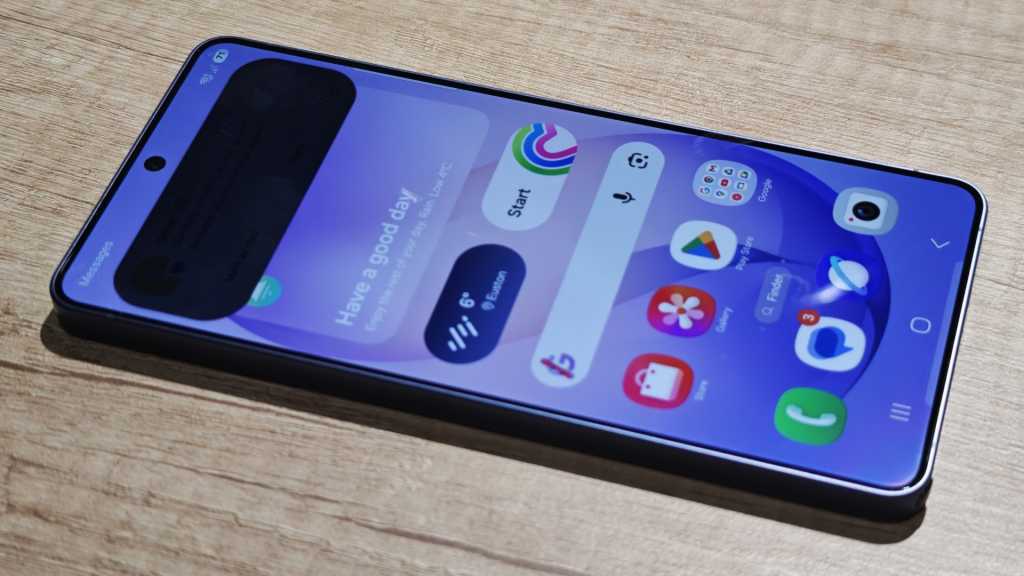
Following the release of the Galaxy S26 Ultra featuring the innovative Privacy Display, some users noticed issues with screen clarity when using the new technology. Tech Advisor contacted Samsung for a statement, and the company has now officially responded.
Prior to this, the Privacy Display was seen as a valuable feature; however, feedback from users and experts raised concerns, particularly regarding the sharpness of on-screen text compared to the S25 Ultra. This was observed even without the privacy display activated, causing discomfort during reading.
Samsung initially remained silent on these issues but has now provided an official statement, explaining that grid-like patterns seen in close-up photos of the display are due to moiré effects, a common occurrence when capturing screen images from different angles, distances, and focus levels.
Pixels for privacy
The statement further clarifies that the Galaxy S26 Ultra maintains the same display resolution as its predecessor, the Galaxy S25 Ultra. To enhance the Privacy Display feature, Samsung made adjustments to sub-pixel rendering, resulting in slight differences in the appearance of text edges in enlarged photos.
These adjustments to sub-pixel rendering are integral to the functionality of the privacy display and are the primary reason behind the reported issues. The technology employs two types of pixels – narrow and wide – with the latter being dimmed or deactivated to create the privacy effect.
While tests conducted by GSMA and other entities reveal compromised pixel density with the feature activated, no eye strain is reported. In fact, GSMA states that the visual experience remains uncompromised when the feature is turned off, even in comparison to the S25 Ultra.
Not a ‘one size fits all’ problem
In conclusion, Samsung asserts that these changes do not impact viewing comfort. However, questions remain regarding user experiences with the privacy display turned off. It is suggested that individual perceptions of the technology may vary, akin to how some individuals may experience discomfort when viewing 3D content.
While some users may not notice any difference in display quality, it is important to note that the Galaxy S26 Ultra defaults to 1080p resolution out of the box, potentially lessening the noticeable resolution change when activating the privacy feature.
Ultimately, the downsides of the privacy display are a trade-off for its functionality, inherent to the technology. For those uncertain about the feature, testing it in-store before purchase is recommended. If issues such as nausea or eye strain persist, returning the device for a different model is advised.












Digital Fortification: How Cutting-Edge Timing Technology Safeguards the UK’s Cyber Infrastructure

The Chaos Chronicles: A Tale of the Vandalizing Worm

The Case of the Delayed Mouse P.I.

Samsung Stands Firm: S26 Ultra Privacy Display Concerns Addressed

Customer Conversations: The Driving Force Behind a Game-Changing AI Startup

Revolutionizing Banking Operations: City Union Bank’s AI Centre Takes the Lead

Revolutionizing Tech with Apple’s Vibrant $599 Laptop

Inside the Luxurious Mercedes-AMG GT 4-Door Coupe: A Visual Feast

20 Next-Level Inventions you didn’t think were Possible.

EU Takes Action Against Instagram and Facebook for Violating Illegal Content Rules

Warning: Facebook Creators Face Monetization Loss for Stealing and Reposting Videos

Facebook Compliance: ICE-tracking Page Removed After US Government Intervention

Facebook’s New Look: A Blend of Instagram’s Style

InstaDub: Meta’s AI Translation Tool for Instagram Videos

Facebook and Instagram to Reduce Personalized Ads for European Users

Reclaim Your Account: Facebook and Instagram Launch New Hub for Account Recovery

Meta discontinues Messenger apps for Windows and macOS

Breaking Updates: Meta Connect 2025 Unveils Latest Developments
20 Next-Level Inventions you didn’t think were Possible.

How THIS instagram story kills your phone.

Zenfone 8 – The most boring INCREDIBLE phone ever.

The BEST Smartphones of 2021! (Mid Year)

I bought the SMALLEST Tech in the world.

How Cryptocurrency ACTUALLY works.

OnePlus Nord CE Unboxing!

STOP Buying this Tech Scam.

Who has the WORST Customer Service?
-
 Facebook5 months ago
EU Takes Action Against Instagram and Facebook for Violating Illegal Content Rules
-
 Facebook5 months ago
Warning: Facebook Creators Face Monetization Loss for Stealing and Reposting Videos
-
 Facebook5 months ago
Facebook Compliance: ICE-tracking Page Removed After US Government Intervention
-
 Facebook3 months ago
Facebook’s New Look: A Blend of Instagram’s Style
-
 Facebook5 months ago
InstaDub: Meta’s AI Translation Tool for Instagram Videos
-
 Facebook3 months ago
Facebook and Instagram to Reduce Personalized Ads for European Users
-
 Facebook3 months ago
Reclaim Your Account: Facebook and Instagram Launch New Hub for Account Recovery
-
 Apple5 months ago
Meta discontinues Messenger apps for Windows and macOS
