
Apple
The Battle for Fairness: Apple’s Ongoing Struggle with App Store Antitrust

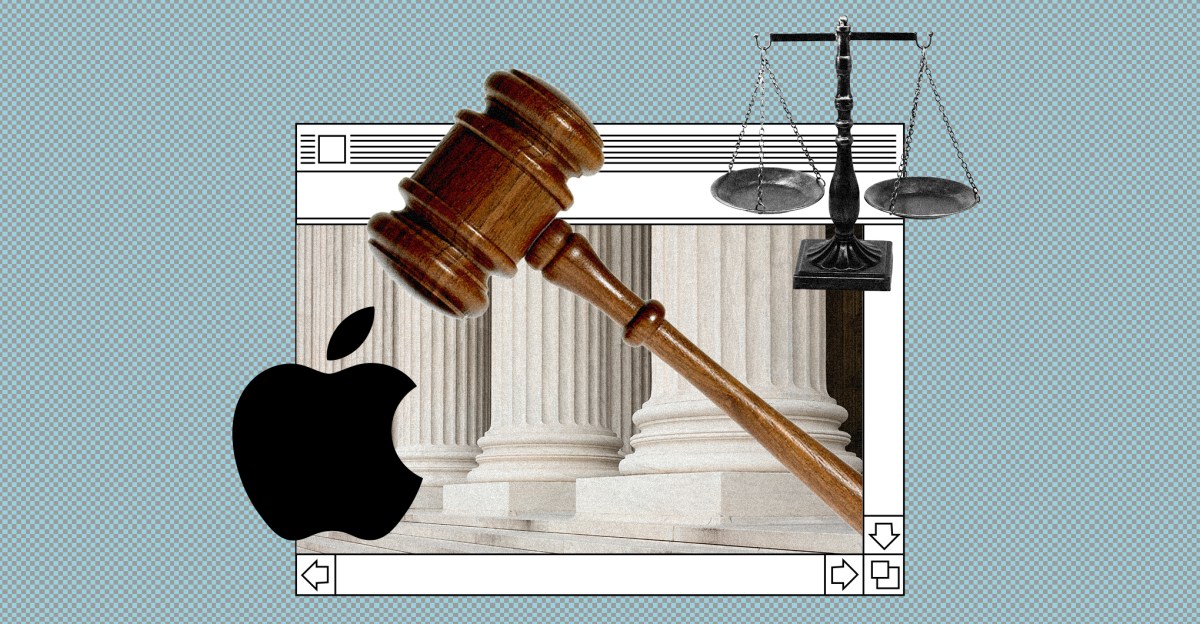
In 1998, Microsoft, the dominant personal computer giant, faced legal troubles for violating antitrust laws, including targeting its smaller competitor, Apple, which held only a fraction of the PC market. The court found that Microsoft had tried to crush Apple’s cross-platform QuickTime multimedia player, leading Apple to abandon a Windows version of QuickTime under pressure from Microsoft.
Fast forward to today, and Apple’s position has drastically changed. While it may not have overtaken Microsoft in the personal computer market, it now dominates the mobile computing industry. Apple’s iPhone ecosystem generates revenue from various sources, including hardware, accessories, software services like Apple Music, and commissions from App Store developers. However, Apple’s tight control over its ecosystem has sparked criticism from developers and users alike.
Over the past decade, Apple has faced numerous antitrust actions, with Epic Games being a prominent critic. Governments worldwide have also taken action to challenge Apple’s control over its ecosystem. Despite the legal challenges, Apple has been slow to implement changes, often dragging its feet in compliance.
One of Apple’s notable antitrust battles was with Epic in 2020, where Epic sought to open up iOS to third-party app stores and payment methods. While Apple largely prevailed in court, it faced challenges in complying with orders to allow developers to add links to outside payment systems.
In the EU, Apple faced regulatory pressure, leading to the allowance of third-party app stores on iOS with restrictions and additional fees. However, Apple’s compliance with these regulations has been contentious, resulting in fines for violating the Digital Markets Act.
Despite the legal battles, Apple has made some changes, such as allowing the purchase of ebooks through Amazon’s Kindle app and the launch of alternative app stores in certain regions. However, Apple’s dominance in the smartphone market remains largely unaffected.
Looking ahead, Apple is likely to continue facing regulatory challenges globally, with potential repercussions on its business operations. The rise of generative AI poses a new threat to Apple’s ecosystem, challenging its position as a tech giant. While Apple has weathered previous challenges, the future landscape remains uncertain.
In comparison to Google, Apple has managed a more closed ecosystem, facing antitrust challenges but maintaining its dominance in the market. Apple’s history of antitrust battles, from ebook publishing to app store competition, underscores the ongoing scrutiny it faces.
As the tech industry evolves, Apple’s role as a gatekeeper in the digital world will continue to be a topic of debate and regulatory action. The ongoing legal battles and regulatory pressures highlight the complex relationship between tech giants and competition in the digital age.












Director Patel’s Email Inbox Hacked by FBI, Investigation Underway

Revolutionizing Emergency Response: The Future of Hybrid Vehicles

The Battle for Fairness: Apple’s Ongoing Struggle with App Store Antitrust

Cutting the Cord: The Ultimate Guide to Top Cord-Cutting Apps in 2026

Is BMW Ready to Challenge the Dominance of the Escalade?

19 Smartphone Gadgets that Blew me Away.

Critical Flaw in Smart Slider Plugin Puts 500K WordPress Sites at Risk

Exclusive Deal: PS5 Pro Price Jumping to £789 Next Week!

Lunar Love: How Watch Club Aims to Dominate the Werewolf Romance Market

EU Takes Action Against Instagram and Facebook for Violating Illegal Content Rules

Warning: Facebook Creators Face Monetization Loss for Stealing and Reposting Videos

Facebook Compliance: ICE-tracking Page Removed After US Government Intervention

Facebook’s New Look: A Blend of Instagram’s Style

Facebook and Instagram to Reduce Personalized Ads for European Users

InstaDub: Meta’s AI Translation Tool for Instagram Videos

Reclaim Your Account: Facebook and Instagram Launch New Hub for Account Recovery

Meta discontinues Messenger apps for Windows and macOS

Breaking Updates: Meta Connect 2025 Unveils Latest Developments
19 Smartphone Gadgets that Blew me Away.

iPhone 12 Pro Max Unboxing & Review!

iPhone 12 Pro Max vs Samsung Note 20 Ultra / Huawei Mate 40 Pro Camera Test Comparison.

iPhone 12 Pro Max vs Samsung Note 20 Ultra / Huawei / Xiaomi / OnePlus Battery Life DRAIN Test.

The BEST Smartphone of 2020 🏆

The Self-Healing Smartphones!

Apple is not what it used to be.

Smartphones are Boring now.

The Fastest Android Phone Ever.
-
 Facebook5 months ago
EU Takes Action Against Instagram and Facebook for Violating Illegal Content Rules
-
 Facebook6 months ago
Warning: Facebook Creators Face Monetization Loss for Stealing and Reposting Videos
-
 Facebook6 months ago
Facebook Compliance: ICE-tracking Page Removed After US Government Intervention
-
 Facebook4 months ago
Facebook’s New Look: A Blend of Instagram’s Style
-
 Facebook4 months ago
Facebook and Instagram to Reduce Personalized Ads for European Users
-
 Facebook6 months ago
InstaDub: Meta’s AI Translation Tool for Instagram Videos
-
 Facebook4 months ago
Reclaim Your Account: Facebook and Instagram Launch New Hub for Account Recovery
-
 Apple5 months ago
Meta discontinues Messenger apps for Windows and macOS
