
Cars
The Battle of Luxury Automakers: Lexus vs. BMW

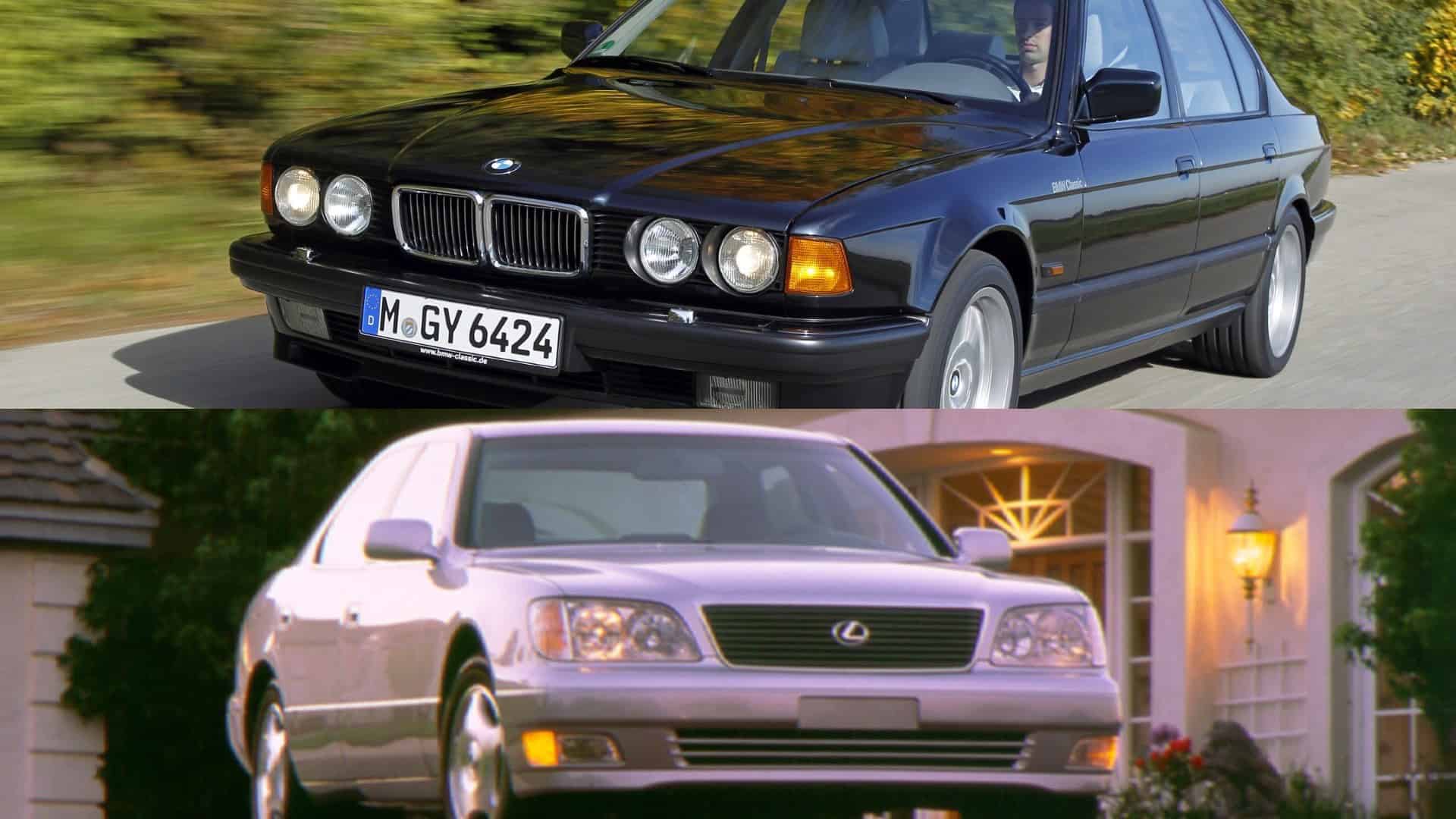
BMW has established itself as a prominent player in the U.S. automotive market, with a remarkable sales record. In the past year alone, the brand managed to sell an impressive 371,346 cars and SUVs in the country. However, this success did not come overnight. Fifty years ago, during BMW of North America’s inaugural year, the brand sold only 19,419 vehicles. The journey to achieving such high sales figures was not without its challenges, especially during the late 1980s.
One of the major obstacles BMW faced during that period was the falling U.S. dollar to Deutschmark exchange rate, making BMW vehicles considerably expensive in the U.S. market. Additionally, stringent emissions standards in the country posed further challenges for the brand, leading to the exclusion of some of BMW’s enthusiast offerings from the U.S. market.
Lexus Emerges as a Competitor
In 1989, Toyota introduced the Lexus brand with the intention of targeting the BMW/Mercedes-Benz customer segment by offering luxurious vehicles and exceptional customer service. Lexus quickly gained traction in the market with its customer-centric approach, leading to a decline in BMW’s sales numbers. Despite selling 96,759 cars in 1986, BMW’s sales dropped significantly to 53,343 in 1991, prompting a strategic shift within the company.
BMW’s Strategic Response
Realizing the need to revamp its product offerings, BMW focused on developing more powerful V8 engines to cater to customer preferences highlighted by Lexus. The enhancements made to the 5 and 7 Series models, along with the introduction of the Z3 roadster, helped BMW regain its competitive edge in the U.S. market. Furthermore, improvements were made at the dealership level to enhance customer service and satisfaction, ultimately boosting sales figures.
By introducing BMW Financial Services in 1992, the brand provided customers and dealers with better rates and increased flexibility, leading to higher customer loyalty and improved dealer profitability. These strategic initiatives paid off, as BMW managed to achieve sales of 105,761 vehicles in 1996, marking a significant turnaround from previous years.
As the competition between BMW and Lexus continued to intensify, both brands made significant strides in the market. By the early 2000s, BMW introduced new models such as the E39 M5 and the BMW X5 SUV, catering to evolving customer preferences. Lexus, on the other hand, expanded its portfolio with vehicles like the LX 470 SUV. Despite the fierce competition, both brands found their place in the market, appealing to different customer segments.
Today, BMW and Lexus continue to be key players in the automotive industry, with both brands showcasing innovation and excellence in their respective offerings. The competition between the two brands has fueled advancements in the industry, benefiting consumers with a wide range of choices and high-quality vehicles.
Source: BMW USA











Vivo X300 Ultra: Unveiling the Official Specs

The Arrival of Sir Paul in the Ring

Jeep Unveils Trail-Ready Cherokee Trailhawk and Extreme Recon Prototypes

iPhone 12 Pro vs iPhone 12 vs iPhone 11 Pro Camera Test Comparison.

Russian CTRL: RDP Hijacking with Malicious LNK Files and FRP Tunnels

Exclusive Look: The Must-Have Games of April 2026 on PlayStation Plus

Mastering the Modern Real Estate and Rental Landscape

Save $30 on Powerbeats Fit in Amazon’s Big Spring Sale for a Gym-Ready Workout

Uncovering the Gaps: RSAC 2026’s Five Agent Identity Frameworks Revealed

EU Takes Action Against Instagram and Facebook for Violating Illegal Content Rules

Warning: Facebook Creators Face Monetization Loss for Stealing and Reposting Videos

Facebook Compliance: ICE-tracking Page Removed After US Government Intervention

Facebook’s New Look: A Blend of Instagram’s Style

Facebook and Instagram to Reduce Personalized Ads for European Users

InstaDub: Meta’s AI Translation Tool for Instagram Videos

Reclaim Your Account: Facebook and Instagram Launch New Hub for Account Recovery

Meta discontinues Messenger apps for Windows and macOS

Breaking Updates: Meta Connect 2025 Unveils Latest Developments
iPhone 12 Pro vs iPhone 12 vs iPhone 11 Pro Camera Test Comparison.

Huawei Mate 40 Pro Unboxing – WHAT.

iPhone 12 vs iPhone 12 Pro / 11 Pro Max / 11 Pro / 11 / XR / SE Battery Life DRAIN Test.

19 Smartphone Gadgets that Blew me Away.

iPhone 12 Pro Max Unboxing & Review!

iPhone 12 Pro Max vs Samsung Note 20 Ultra / Huawei Mate 40 Pro Camera Test Comparison.

iPhone 12 Pro Max vs Samsung Note 20 Ultra / Huawei / Xiaomi / OnePlus Battery Life DRAIN Test.

The BEST Smartphone of 2020 🏆

The Self-Healing Smartphones!
-
 Facebook5 months ago
EU Takes Action Against Instagram and Facebook for Violating Illegal Content Rules
-
 Facebook6 months ago
Warning: Facebook Creators Face Monetization Loss for Stealing and Reposting Videos
-
 Facebook6 months ago
Facebook Compliance: ICE-tracking Page Removed After US Government Intervention
-
 Facebook4 months ago
Facebook’s New Look: A Blend of Instagram’s Style
-
 Facebook4 months ago
Facebook and Instagram to Reduce Personalized Ads for European Users
-
 Facebook6 months ago
InstaDub: Meta’s AI Translation Tool for Instagram Videos
-
 Facebook4 months ago
Reclaim Your Account: Facebook and Instagram Launch New Hub for Account Recovery
-
 Apple5 months ago
Meta discontinues Messenger apps for Windows and macOS
