
Tech News
The Dark Side of Dark Mode: My Android Phone’s Obsession

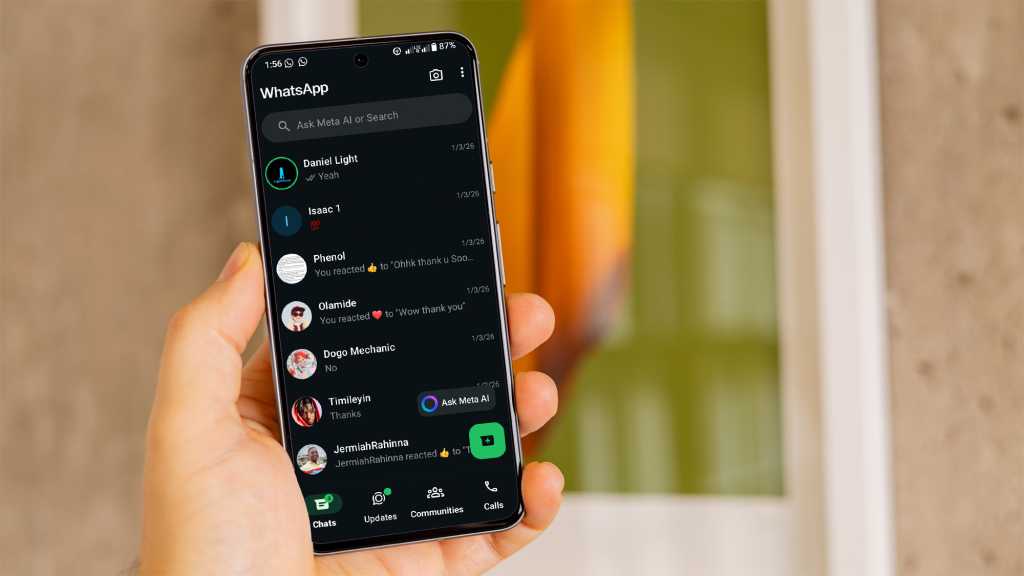
For many users of Android, dark mode has become a beloved feature. The reduction of bright white light when opening apps at night has been a saving grace for many, providing relief to tired eyes. However, the implementation of Android’s Force Dark feature has raised concerns among developers and brands alike.
Since the release of Android 10, the operating system has included a system-level feature that automatically converts light-colored apps into dark versions, even if developers have not specifically designed a dark theme. While this feature offers consistency and potential battery life benefits for OLED screens, it can also lead to unintended consequences.
One major issue with automatic dark mode conversion is its lack of understanding of brand palettes and color contrast. This can result in diluted brand colors, weakened visual identities, and diminished emotional impact that designers have worked hard to create.
When aesthetics clash with brand identity
Color is a crucial element of brand recognition and emotional response. The forced dark mode on Android can distort or invert the visual identity that companies have invested significant resources in developing.
While dark mode has its benefits, such as improved readability in low-light environments, it must be designed carefully to avoid potential readability issues. Unlike iOS, which requires developers to actively enable dark mode and define custom colors, Android prioritizes user preferences by applying dark themes system-wide, even if apps were not originally designed for them.
Developers do have the option to opt out or customize how Force Dark affects their apps through specific attributes in their code. However, some apps may still undergo unappealing transformations due to a lack of awareness or prioritization of proper dark mode support.
Dark mode also offers potential battery savings, particularly on OLED screens, where displaying black content can reduce power consumption by up to 60%. However, the impact on LCD screens is minimal due to the constant backlight.
Can a middle ground be found?
While Force Dark Mode can benefit users with light sensitivity or visual impairments, it poses challenges for maintaining brand trust and recognition. Developers, especially in sectors like banking, healthcare, and education, should prioritize custom dark themes that align with their brand identity while accommodating user preferences.
Ensuring that dark mode implementation is intentional and consistent across all apps is essential to avoid sacrificing brand identity for the sake of darkness. By finding a balance between user preferences and brand recognition, developers can create a more cohesive and user-friendly experience.
Related articles










iPhone 12 Pro Max Unboxing & Review!

European Commission Launches Investigation into Amazon Cloud Account Breach

Drama and Dollars: The Evolution of Soap Opera-TikTok Hybrids

Maximizing MacBook Battery Life: Tips for Charging Slowly and Setting Charge Limits

Lost Legacy: The Disappearance of AC Schnitzer and the Changing Automotive Landscape

Cyber Warfare: The Battlefront of the Digital Age

Monster Hunter Stories 3: The Challenge of Twisted Reflection

Revolutionizing Cash-Pay Clinic Prescribing: VITL Secures $7.5M Amid GLP-1 Boom

Balancing Act: The Decision to Shut Down Sora

EU Takes Action Against Instagram and Facebook for Violating Illegal Content Rules

Warning: Facebook Creators Face Monetization Loss for Stealing and Reposting Videos

Facebook Compliance: ICE-tracking Page Removed After US Government Intervention

Facebook’s New Look: A Blend of Instagram’s Style

Facebook and Instagram to Reduce Personalized Ads for European Users

InstaDub: Meta’s AI Translation Tool for Instagram Videos

Reclaim Your Account: Facebook and Instagram Launch New Hub for Account Recovery

Meta discontinues Messenger apps for Windows and macOS

Breaking Updates: Meta Connect 2025 Unveils Latest Developments
iPhone 12 Pro Max Unboxing & Review!

iPhone 12 Pro Max vs Samsung Note 20 Ultra / Huawei Mate 40 Pro Camera Test Comparison.

iPhone 12 Pro Max vs Samsung Note 20 Ultra / Huawei / Xiaomi / OnePlus Battery Life DRAIN Test.

The BEST Smartphone of 2020 🏆

The Self-Healing Smartphones!

Apple is not what it used to be.

Smartphones are Boring now.

The Fastest Android Phone Ever.

Unboxing the $122,000 Smartphone. 🤯
-
 Facebook5 months ago
EU Takes Action Against Instagram and Facebook for Violating Illegal Content Rules
-
 Facebook5 months ago
Warning: Facebook Creators Face Monetization Loss for Stealing and Reposting Videos
-
 Facebook6 months ago
Facebook Compliance: ICE-tracking Page Removed After US Government Intervention
-
 Facebook4 months ago
Facebook’s New Look: A Blend of Instagram’s Style
-
 Facebook4 months ago
Facebook and Instagram to Reduce Personalized Ads for European Users
-
 Facebook6 months ago
InstaDub: Meta’s AI Translation Tool for Instagram Videos
-
 Facebook4 months ago
Reclaim Your Account: Facebook and Instagram Launch New Hub for Account Recovery
-
 Apple5 months ago
Meta discontinues Messenger apps for Windows and macOS
