
AI
The Impact of ByteDance’s Entry into Enterprise: A Game-Changer for Businesses

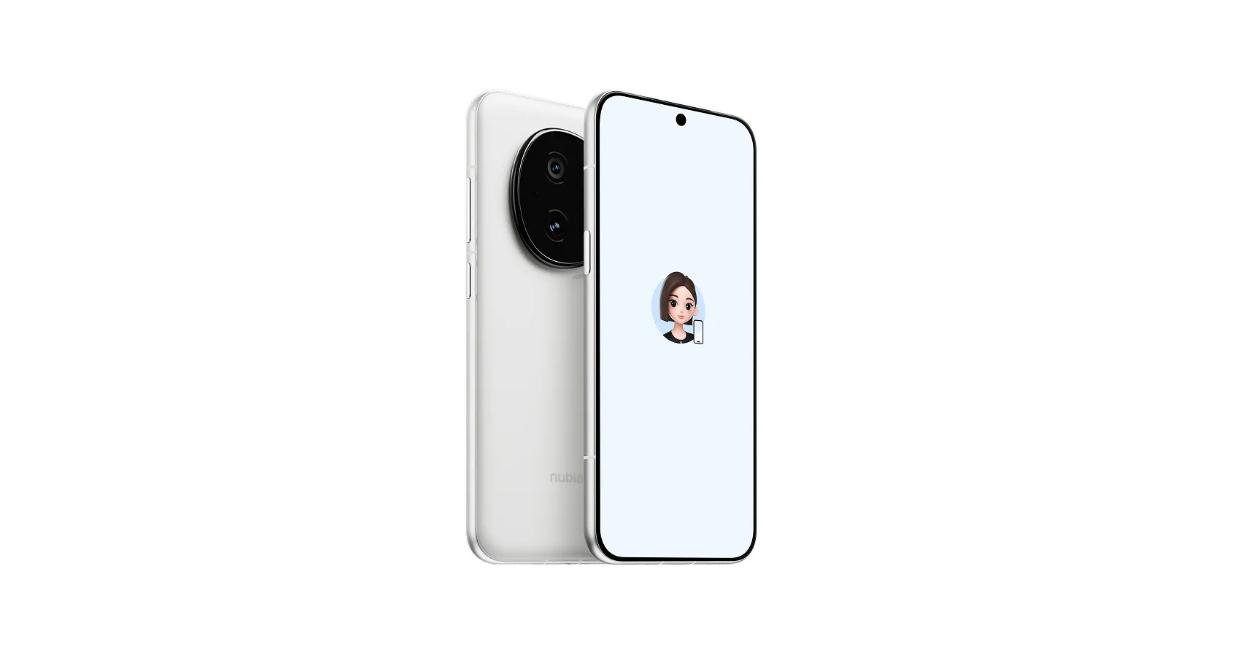
ByteDance shook the tech world with the launch of an AI smartphone prototype in partnership with ZTE on December 2. This move generated excitement among consumers but also raised concerns about privacy, leading to the need for adjustments to the device’s capabilities. Beyond the initial buzz and controversy, the real story lies in the potential impact of AI agents at the operating system level, capable of autonomously performing complex tasks within device ecosystems.
The ZTE Nubia M153, featuring ByteDance’s Doubao large language model, serves as both a consumer experiment and a glimpse into how agentic AI smartphones could revolutionize workplace productivity, field operations, and enterprise mobility strategies. However, for this technology to gain traction in enterprise settings, it must address crucial trust and governance challenges.
Transitioning from Consumer to Enterprise
While the appeal of AI-powered features like voice-activated bookings and automated tasks is evident in consumer settings, the shift towards agentic AI in enterprise software is gaining momentum. Gartner predicts that by 2028, a significant portion of enterprise applications will integrate agentic AI capabilities, highlighting a shift towards leveraging AI for business benefits.
Industry experts see potential for agentic AI to enhance decision-making, safety, and efficiency in sectors such as manufacturing, construction, healthcare, and energy. However, concerns around AI errors and security vulnerabilities pose challenges for early adopters in enterprise environments.
McKinsey’s research indicates a growing trend of organizations exploring agentic AI systems, with a substantial percentage already scaling these technologies in various business functions. Yet, the path to enterprise adoption requires robust governance frameworks and security measures, elements lacking in ByteDance’s consumer-oriented prototype.
China’s Strategic Advantage in AI Integration
ByteDance’s collaboration with ZTE, focusing on software-hardware integration rather than proprietary hardware development, mirrors successful enterprise AI strategies. By positioning Doubao as a system-level integration available to any manufacturer, ByteDance aims to emulate Google’s Android success.
Doubao’s dominance in China’s consumer AI market underscores ByteDance’s strategic approach, targeting second-tier manufacturers and enterprise platforms seeking differentiated AI capabilities. However, this fragmentation poses challenges and opportunities for enterprise buyers, especially in regulated industries.
While major smartphone manufacturers like Apple, Huawei, and Xiaomi possess the technology to develop AI assistants internally, ByteDance’s software-centric strategy offers unique advantages in the evolving AI landscape.
Privacy Concerns and Enterprise Requirements
The privacy uproar following demonstrations of the M153’s capabilities highlighted the critical need for trust and control in AI adoption. Enterprise IT decision-makers emphasize the importance of trust as a significant barrier to adopting AI technologies, citing the need for transparency and accurate decision-making.
ByteDance’s response to privacy concerns by rolling back certain capabilities underscores the necessity for granular permission systems, comprehensive logging, and operational boundaries in enterprise-grade agentic AI smartphones. These features are vital for ensuring trust and security in AI-powered devices.
Enterprise vs. Consumer Applications
While consumer applications of agentic AI smartphones focus on personalization and convenience, enterprise use cases demand auditability, compliance, and risk mitigation. Field service technicians, healthcare providers, and financial professionals can benefit from AI agents that streamline tasks, provide decision support, and enhance operational efficiency.
As organizations increasingly implement AI agents, IT leaders emphasize the importance of industry-specific data integration, transparent decision-making processes, and phased rollouts with comprehensive testing. Successful enterprise deployment of AI technologies requires careful planning and adherence to industry-specific requirements.
Global Competitive Dynamics and Regional Strategies
The evolving tech landscape, especially the US-China technology rivalry, adds complexity to AI adoption trends. While Chinese tech giants like ByteDance aim to dominate the consumer AI market, Western competitors like Apple prioritize user privacy and security, aligning with enterprise requirements.
Asia-Pacific emerges as a key market for AI agents, with the US holding a significant revenue share. Multinational enterprises face challenges in managing device strategies across different regulatory environments, highlighting the importance of data sovereignty and compliance frameworks.
The Path Forward: Embracing Solutions
For enterprise leaders considering agentic AI smartphones, ByteDance’s prototype offers valuable insights into vendor expectations. Robust governance frameworks, hybrid processing approaches, and phased rollouts are essential for successful AI adoption in enterprise settings.
As the adoption of agentic AI accelerates, organizations must prioritize security and scalability in their deployment strategies. By integrating governance and security measures from the outset, enterprises can navigate the evolving AI landscape effectively and drive meaningful business outcomes.
Explore more industry insights at the AI & Big Data Expo, part of the TechEx event series. Powered by TechForge Media, these events offer valuable opportunities to stay informed on the latest technology trends and innovations.

Stay ahead of the curve with TechForge Media’s upcoming events and webinars focused on enterprise technology. Discover new insights and connect with industry leaders to drive innovation and growth.













Sneak Peek: The All-New 2027 BMW 7 Series Set to Shine in April

What happened to Beats by Dre?

The Reign of Amazon’s Cloud Empire and the Future of AI: A GeekWire Analysis

Unveiling the Dark Secrets of VoidStealer: How the Malware Steals Chrome Master Key with a Clever Debugger Trick

AI Artistry: Unveiling the Mystery of Crimson Desert’s Suspiciously Generated Creations

Revolutionizing Coding: The Moonshot AI Kimi Integration with Cursor
![Apple pushing back on 'vibe coding' iPhone apps, developers say [U]](https://bennetttechinnovation.com/wp-content/uploads/2026/03/Apple-Stands-Firm-Against-Vibe-Coding-iPhone-Apps-Defying-Developers-80x80.jpg)
Apple Stands Firm Against ‘Vibe Coding’ iPhone Apps, Defying Developers

Secure APK Sideloading: Harnessing the Power of Advanced Flow for Safe Android Installation

Gunvolt Chronicles: Luminous Avenger iX – The Complete Dual Collection

EU Takes Action Against Instagram and Facebook for Violating Illegal Content Rules

Warning: Facebook Creators Face Monetization Loss for Stealing and Reposting Videos

Facebook Compliance: ICE-tracking Page Removed After US Government Intervention

Facebook’s New Look: A Blend of Instagram’s Style

Facebook and Instagram to Reduce Personalized Ads for European Users

InstaDub: Meta’s AI Translation Tool for Instagram Videos

Reclaim Your Account: Facebook and Instagram Launch New Hub for Account Recovery

Meta discontinues Messenger apps for Windows and macOS

Breaking Updates: Meta Connect 2025 Unveils Latest Developments
What happened to Beats by Dre?

DON’T buy a Screen Protector before watching this.

Beware of Fake Reviewers! ⚠️

Xiaomi Mi 11 Unboxing & Review.

The Galaxy S21 Ultra is Better than you think.

Samsung Galaxy S21 Ultra vs iPhone 12 Pro Max Camera Test Comparison.

Samsung S21 Ultra vs iPhone Battery Life Test!

The Truth about Xiaomi “Air Charging”

DON’T buy this Smartphone.
-
 Facebook5 months ago
EU Takes Action Against Instagram and Facebook for Violating Illegal Content Rules
-
 Facebook5 months ago
Warning: Facebook Creators Face Monetization Loss for Stealing and Reposting Videos
-
 Facebook5 months ago
Facebook Compliance: ICE-tracking Page Removed After US Government Intervention
-
 Facebook3 months ago
Facebook’s New Look: A Blend of Instagram’s Style
-
 Facebook3 months ago
Facebook and Instagram to Reduce Personalized Ads for European Users
-
 Facebook5 months ago
InstaDub: Meta’s AI Translation Tool for Instagram Videos
-
 Facebook4 months ago
Reclaim Your Account: Facebook and Instagram Launch New Hub for Account Recovery
-
 Apple5 months ago
Meta discontinues Messenger apps for Windows and macOS
