
Startups
The Importance of Finding Balance in Body and Mind

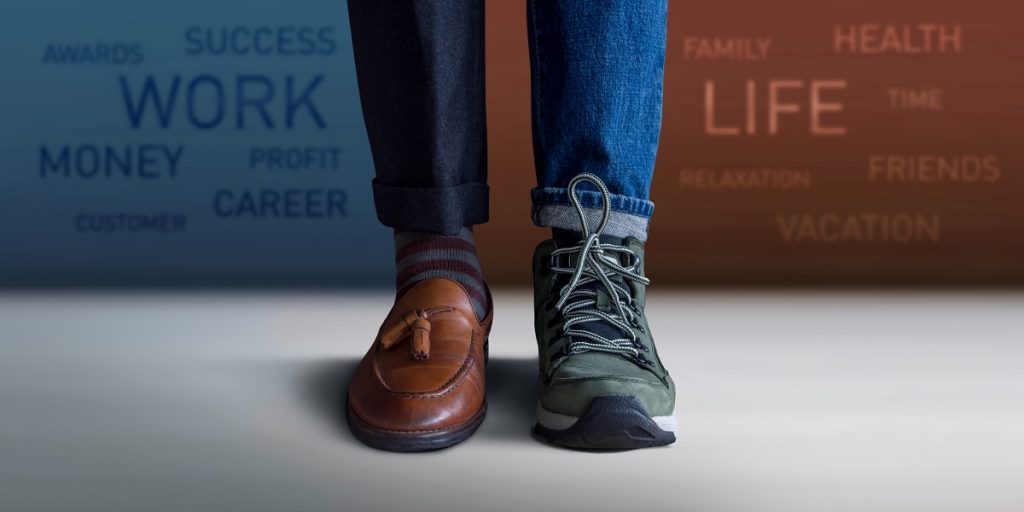
Have you ever experienced the feeling of your mind racing while your body feels stuck in place? Or perhaps your schedule is packed with meetings, but you can’t remember the last time you had a proper meal? The gap between what we do and what we truly need seems wider than ever. In this article, we will delve into the importance of life balance—real, sustainable balance—that is crucial for both our physical and mental well-being.
Source
The Challenge of Maintaining Stability in a Fast-Paced World
In recent years, people have been stretched thin in ways they never anticipated. The era of working from home blurred the boundaries between work and personal life. On-demand services made everything instantly accessible, yet many people still feel drained. You can order food, reschedule appointments, attend virtual meetings, and check your investments all within a few hours—yet the sense of falling behind persists.
In this constant rush of activities, the pressure to “optimize” has intensified. Work faster. Rest smarter. Eat healthier. Meditate more. Scroll less. Be present. Hustle harder. Be grateful. Log off. But don’t forget to check your notifications.
None of this seems truly balanced. Instead, it feels like balance has become just another task on the to-do list. Something to monitor, adjust, track, and evaluate.
However, when you strip away the distractions, balance is not a commodity or an application. It serves as a foundation, a solid ground beneath everything else. It’s not about how much you cram into a day; it’s about how you react when things go awry.
Modern life, especially post-2020, has revealed how little margin many people were living with. A canceled flight, a sick child, an unexpected expense—and the entire week crumbles. Therefore, balance is no longer a luxury; it’s a necessity for survival.
Where can you start? By getting your finances in order. This doesn’t mean becoming a financial guru or obsessing over every penny. It simply involves understanding your financial situation and having a sense of control.
This is where tools come into play. A free online budgeting tool can be the stable foundation amidst financial chaos. It doesn’t need to overwhelm you with warnings or bombard you with notifications. The best tools provide enough structure to identify trends, make informed decisions, and eliminate guesswork. Knowing that an unexpected expense won’t throw your entire system into chaos allows you to breathe easier. You don’t need to be a math whiz or a spreadsheet enthusiast; you just need something reliable, straightforward, and tailored to your current life—not an idealized version of it.
Mental equilibrium and financial clarity may not seem directly related, but they are intertwined. When you no longer feel like you’re lagging behind, you can make better choices. The anxiety dissipates. The trade-offs become clearer. You think more clearly, sleep better, and have fewer internal or external conflicts. Balance, in this context, is not just a feeling; it results from tools that minimize friction.
Physical Movement as a Key to Mental Well-Being
While the body keeps track of everything, it also sends signals when something is amiss. If you’ve experienced mental fog after skipping exercise for a week or noticed a dip in your mood after long meetings, your body is trying to communicate with you.
The mind relies on physical activity to stay sharp, focused, and grounded. You don’t need an elaborate workout plan or a fitness device that celebrates every step as a monumental achievement. What you need is movement that reminds your body it exists for more than sitting and typing.
Simply walking outdoors, stretching, or carrying groceries without rushing can make a difference. Movement maintains your body’s rhythm, reducing the cognitive load on your brain. If you’re experiencing back pain, stiff knees, or shallow breathing, your mind diverts its attention to these discomforts, increasing your overall stress levels. What may feel like “stress” is often your body’s way of asking for a reset.
Work environments often overlook the importance of movement, especially in jobs that prioritize output over well-being. Prolonged sitting, skipping breaks, working through lunch—these are often seen as signs of productivity. However, your focus eventually diminishes, followed by poor posture. The solution isn’t to invest in a better chair or consume more caffeine; it’s to move.
The mind and body are interconnected in ways we tend to ignore, mainly because our society rewards neglecting them. However, movement doesn’t have to be a grand gesture of wellness. It’s about sending regular signals to your body that say, “We’re not confined.” This simple act can prevent anxiety from taking over.
Managing Your Digital Life for Mental Well-Being
We can’t discuss balance without addressing our screen time. Phones, laptops, watches, tablets, work monitors, smart TVs—these devices are integral to our daily routines. The average person touches their phone over two thousand times a day. While this level of usage is unsustainable, it’s also unavoidable.
Balance doesn’t entail abandoning technology; it involves using it intentionally. Decide which notifications warrant your attention. Establish boundaries that you adhere to. This isn’t a rebellion against technology but a means to protect your mental well-being.
Notifications aren’t innocuous. Each buzz demands a decision, incurring a small cost. Multiply this by numerous alerts, and your day can feel like a blur before it even begins. Disabling push notifications, setting dedicated do-not-disturb hours, and decluttering unnecessary apps may not be groundbreaking ideas, but they are effective. These actions don’t limit your freedom; instead, they grant you more control over your time.
Tech hygiene may not be glamorous, but it’s essential. Your devices should serve you, not overwhelm you. If your phone feels more like a taskmaster than a tool, you’re not alone—but you’re not powerless either. Assess your device usage, clean up your digital space, and reclaim control. Balance doesn’t start with deleting everything; it starts with determining what deserves your attention.
Balance Is a Continuous Journey, Not a Destination
Attaining balance is not a one-time achievement. It’s a process of finding it, losing it, rebuilding it, adjusting it, and persevering. Some weeks, you may eat well, rest adequately, stay focused, and feel like you’ve cracked the code. Then, something changes—a deadline, an illness, an unexpected event—and the structure falters.
That’s not a failure; that’s life.
Balance is not rigid; it’s adaptable. It thrives because it flexes with you. The more you establish systems that adapt with minimal stress—financial tools, movement routines, digital boundaries, genuine rest—the better equipped you are to withstand life’s challenges. Nobody walks around perfectly balanced. Most people are striving to stay upright. Those who abandon the pursuit of extremes and focus on stability tend to endure longer, think more clearly, and feel more like themselves.
Ultimately, balance is not about control or perfection; it’s about returning to center, no matter how many times you veer off course.











The Future of iPhone Cameras: Is a 200 MP Lens Coming Soon?

Celebrating the First iX3 Delivery at BMW’s Debrecen Factory

iPhone 12 Pro Max vs Samsung Note 20 Ultra / Huawei / Xiaomi / OnePlus Battery Life DRAIN Test.

Stealthy Malware: The Hidden Threat Within Telnyx PyPI Package

Harvest of Suspicion: Grave Seasons Murder Mystery Farming Sim Arrives in August

Tech Giants Clash: OpenAI Halts Sora as Meta Faces Legal Setback

Apple’s AI Playlist Playground: Where Music Goes to Die

Beyond the Stars: For All Mankind Season 5 Unveiled in Liminal Film Expose

Top 10 Fuel-Efficient Cars for Less Than $50,000

EU Takes Action Against Instagram and Facebook for Violating Illegal Content Rules

Warning: Facebook Creators Face Monetization Loss for Stealing and Reposting Videos

Facebook Compliance: ICE-tracking Page Removed After US Government Intervention

Facebook’s New Look: A Blend of Instagram’s Style

Facebook and Instagram to Reduce Personalized Ads for European Users

InstaDub: Meta’s AI Translation Tool for Instagram Videos

Reclaim Your Account: Facebook and Instagram Launch New Hub for Account Recovery

Meta discontinues Messenger apps for Windows and macOS

Breaking Updates: Meta Connect 2025 Unveils Latest Developments
iPhone 12 Pro Max vs Samsung Note 20 Ultra / Huawei / Xiaomi / OnePlus Battery Life DRAIN Test.

The BEST Smartphone of 2020 🏆

The Self-Healing Smartphones!

Apple is not what it used to be.

Smartphones are Boring now.

The Fastest Android Phone Ever.

Unboxing the $122,000 Smartphone. 🤯

Are Linux Smartphones about to KILL Android?

15 Smartphone FAILS to ruin your day 😂
-
 Facebook5 months ago
EU Takes Action Against Instagram and Facebook for Violating Illegal Content Rules
-
 Facebook5 months ago
Warning: Facebook Creators Face Monetization Loss for Stealing and Reposting Videos
-
 Facebook5 months ago
Facebook Compliance: ICE-tracking Page Removed After US Government Intervention
-
 Facebook4 months ago
Facebook’s New Look: A Blend of Instagram’s Style
-
 Facebook4 months ago
Facebook and Instagram to Reduce Personalized Ads for European Users
-
 Facebook5 months ago
InstaDub: Meta’s AI Translation Tool for Instagram Videos
-
 Facebook4 months ago
Reclaim Your Account: Facebook and Instagram Launch New Hub for Account Recovery
-
 Apple5 months ago
Meta discontinues Messenger apps for Windows and macOS
