
Mobile Tech
The Potential Cost of Apple’s Next iPhone: A Fortune for the Company, Savings for Consumers

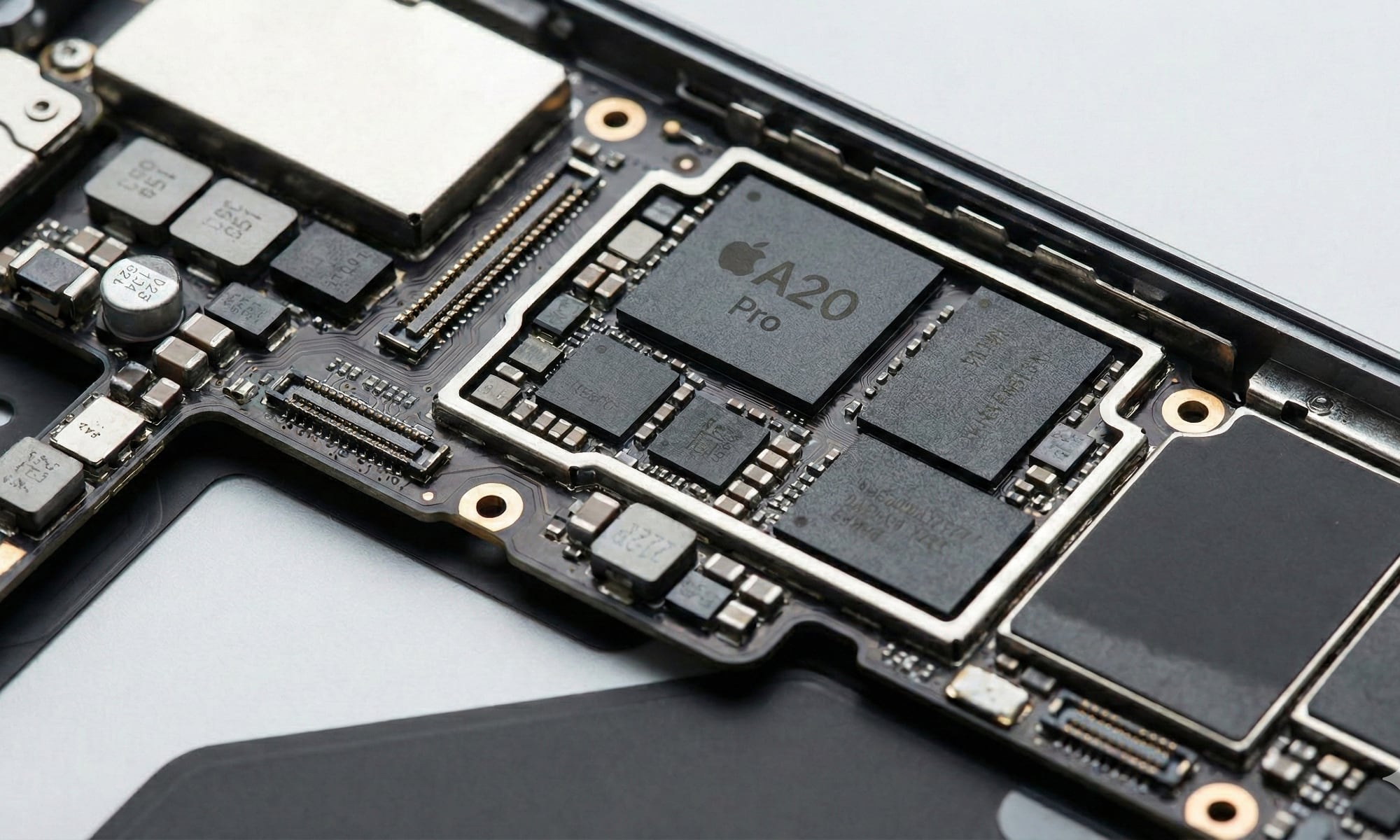
Apple is facing challenges in 2026 due to the rising costs of components, especially chips and memory, which is putting pressure on its product pricing.
The increase in raw material and component prices directly impacts retail prices. Apple is feeling the effects across its product range, including Macs, iPhones, and iPads. The cost of base configurations and higher-tier storage and RAM options for Macs is becoming more expensive, leading to potential price hikes.
According to a recent report from Morgan Stanley, conversations with supply chain sources and checks with Taiwanese suppliers indicate that tightening supply of components is driving up costs for smartphones, desktop PCs, and servers.
Memory costs have been rising sharply since late 2025, with DDR5 module prices increasing by 120 to 200% compared to early 2025. This surge in prices is forcing hardware manufacturers to consider raising retail prices.
Apple, however, has an advantage over its competitors due to its massive purchasing power and long-term supply agreements secured in 2025. This has allowed the company to mitigate some of the price shocks, at least for now.
While Apple has been able to secure NAND inventory into 2026 at favorable pricing terms, future contracts are expected to reset at higher numbers, impacting the company’s bottom line.
Negotiations for Apple’s 2026 DRAM needs are still ongoing, with memory vendors pushing for significant price increases. This could affect iPhone storage options and memory configurations for Mac models.
In addition to memory price hikes, “leading-edge” wafer prices are also increasing. Apple, being TSMC’s main customer, is seeing smaller price hikes but will still be affected, especially for its next generation of Apple Silicon-based chips.
Rising costs are expected to force vendors to make tough decisions such as hiking prices, lowering hardware specs, or accepting reduced profit margins. Apple, with its high industry margins, has some breathing room but will still be impacted.
In 2026, the main concern is not if component costs will impact Apple, but when they will. The company’s massive cash reserves have helped shield consumers from the global silicon squeeze, but the comfort zone is shrinking.
The key question for Apple in 2026 is how long it can continue to use its cash reserves to protect consumers from the reality of escalating component costs.
$url_param = $_GET[‘fbclid’];
global $wp;
. ‘/’;
?>












Secure APK Sideloading: Harnessing the Power of Advanced Flow for Safe Android Installation

Gunvolt Chronicles: Luminous Avenger iX – The Complete Dual Collection

K2 Launches Groundbreaking High-Powered Satellite for Advanced Space Computing

The End of Security: iOS 13 and 14 Vulnerabilities in 2026

Exclusive Look: The 2027 Chevrolet Corvette Grand Sport Unleashed at Sebring

DON’T buy a Screen Protector before watching this.

Exploiting Vulnerable Drivers: How EDR Killers Use BYOVD to Disable Security

Alphabet’s X Unveils Innovative Spinout Targeting Costly Bureaucratic Challenges

Lawsuit: Halide co-founder accuses Sebastiaan de With of code theft for Apple

EU Takes Action Against Instagram and Facebook for Violating Illegal Content Rules

Warning: Facebook Creators Face Monetization Loss for Stealing and Reposting Videos

Facebook Compliance: ICE-tracking Page Removed After US Government Intervention

Facebook’s New Look: A Blend of Instagram’s Style

Facebook and Instagram to Reduce Personalized Ads for European Users

InstaDub: Meta’s AI Translation Tool for Instagram Videos

Reclaim Your Account: Facebook and Instagram Launch New Hub for Account Recovery

Meta discontinues Messenger apps for Windows and macOS

Breaking Updates: Meta Connect 2025 Unveils Latest Developments
DON’T buy a Screen Protector before watching this.

Beware of Fake Reviewers! ⚠️

Xiaomi Mi 11 Unboxing & Review.

The Galaxy S21 Ultra is Better than you think.

Samsung Galaxy S21 Ultra vs iPhone 12 Pro Max Camera Test Comparison.

Samsung S21 Ultra vs iPhone Battery Life Test!

The Truth about Xiaomi “Air Charging”

DON’T buy this Smartphone.

Galaxy S21 Ultra – Exynos vs Snapdragon.
-
 Facebook5 months ago
EU Takes Action Against Instagram and Facebook for Violating Illegal Content Rules
-
 Facebook5 months ago
Warning: Facebook Creators Face Monetization Loss for Stealing and Reposting Videos
-
 Facebook5 months ago
Facebook Compliance: ICE-tracking Page Removed After US Government Intervention
-
 Facebook3 months ago
Facebook’s New Look: A Blend of Instagram’s Style
-
 Facebook3 months ago
Facebook and Instagram to Reduce Personalized Ads for European Users
-
 Facebook5 months ago
InstaDub: Meta’s AI Translation Tool for Instagram Videos
-
 Facebook4 months ago
Reclaim Your Account: Facebook and Instagram Launch New Hub for Account Recovery
-
 Apple5 months ago
Meta discontinues Messenger apps for Windows and macOS
