
Tech News
The Power of Machine Learning in Retail: Transforming the Customer Experience

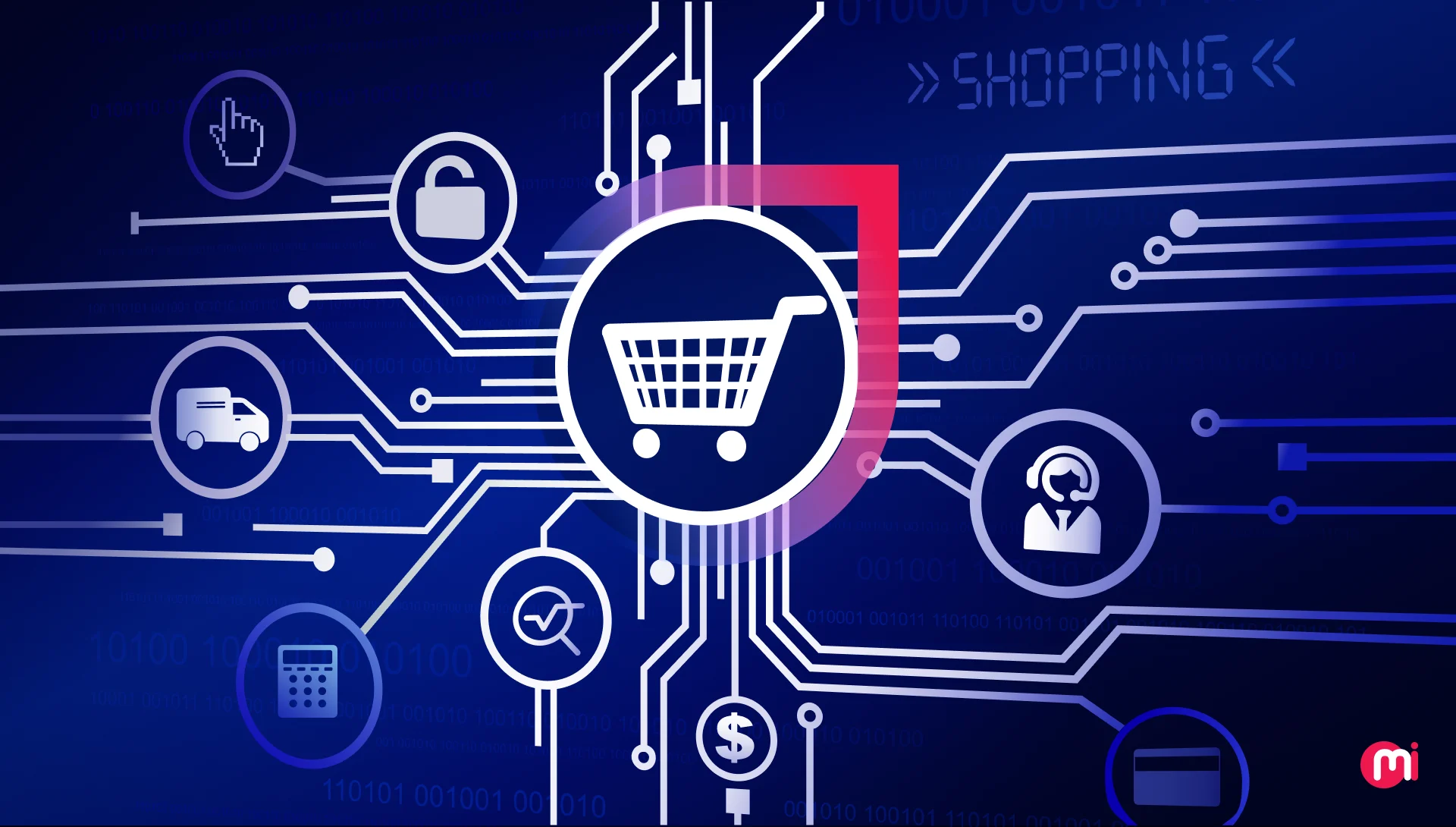
Machine learning is revolutionizing the retail industry with its wide-ranging capabilities and use cases. Retail giants like Amazon, Walmart, and Sephora are leveraging machine learning to deliver tailored solutions to their customers.
The applications of machine learning in retail, such as customer segmentation, personalized recommendations, demand forecasting, and more, are transforming the industry into what modern consumers expect.
Benefits of machine learning in retail include data-driven decision-making, improved inventory management, hyper-personalized solutions, and enhanced customer satisfaction.

This comprehensive guide explores the use cases of ML in retail, its benefits, real-world examples, implementation strategies, challenges, and future trends in AI-powered retail.
Key Takeaways
- Machine learning (ML) in retail uses AI algorithms to analyze customer & sales data, automate decisions.
- ML in retail includes customer segmentation, personalized recommendations, demand forecasting, and more.
- Benefits of ML in retail: data-driven decision-making, better inventory management, hyper-personalized solutions.
- Implementing ML in retail requires careful planning, clean data, algorithm selection, and system integration.
- Challenges in ML implementation include data privacy, ethical concerns, high costs, and skilled workforce.
- Future trends in AI-powered retail: cashier-less stores, AR/VR shopping, robotics, hyper-personalization, voice commerce.
What Is the Role of ML in Retail?
Machine learning in retail uses AI algorithms to revolutionize operations through data analytics, providing insights for personalized shopping, optimized inventory, dynamic pricing, and streamlined supply chains.
ML acts as the backbone for data-driven retail operations, turning insights into actionable strategies.
Use Cases of Machine Learning in Retail
The use cases of ML in retail include customer segmentation, personalized recommendations, demand forecasting, inventory management, dynamic pricing, visual search, supply chain optimization, and more.
Machine learning applications in retail address various aspects of customer engagement and operational efficiency.
| Use Cases of ML in Retail | How It’s Applied in Retail |
| Customer Segmentation | Grouping customers based on demographics, behavior, and purchase history for targeted marketing. |
Customer Segmentation
Machine learning systems in retail analyze customer data to segment buyers based on demographics, behavior, and interests, enabling targeted marketing strategies.
Predicting the future isn’t magic; it’s artificial intelligence.
— Dave Waters
Benefits of Machine Learning in the Retail Industry
ML in retail offers benefits like personalized customer experience, data-driven decision-making, improved inventory management, and increased revenue and profitability.
Real-World Examples of ML in Retail
Examples of successful ML implementation in retail include Amazon, Walmart, and Sephora, which leverage ML for personalized experiences, supply chain optimization, and customer satisfaction.
How to Implement ML in Retail
Implementing ML in retail involves defining objectives, planning, gathering data, investing in data management, developing & deploying models, and continuous maintenance for optimal performance.
Challenges in Implementing Machine Learning in Retail with Solutions
Challenges in ML implementation in retail include data privacy, legacy system integration, data quality, and costs. Solutions involve ethical data practices, system integration strategies, data preprocessing, and cost-effective solutions.
The Future of Machine Learning in Retail
The future of ML in retail will see advancements in cashier-less stores, AR/VR experiences, hyper-personalization, robotics, smart supply chains, and voice commerce.
Choose MindInventory to Reimagine Retail with Cutting-Edge Machine Learning Development
MindInventory is a leading AI development company offering comprehensive solutions for AI/ML development in retail. Their expertise can help retailers harness the power of data intelligently and implement advanced models effectively.
FAQs on ML in Retail
Machine learning in retail offers benefits like accuracy, predictive analytics, and personalized customer experiences.












TeamPCP Releases Telnyx Versions on PyPI, Conceals Malicious Stealer in WAV Files

The Sunday Gazette: Gaming News and Reviews

Y Combinator Graduate Glimpse Secures $35M Funding Round with a16z Leading Investment

Upgrade to iOS 26.4: The Latest and Greatest Features

Koenigsegg Gemera Hits the Production Line: A 6-Year Journey from Unveiling to Reality

Director Patel’s Email Inbox Hacked by FBI, Investigation Underway

Revolutionizing Emergency Response: The Future of Hybrid Vehicles

The Battle for Fairness: Apple’s Ongoing Struggle with App Store Antitrust

Cutting the Cord: The Ultimate Guide to Top Cord-Cutting Apps in 2026

EU Takes Action Against Instagram and Facebook for Violating Illegal Content Rules

Warning: Facebook Creators Face Monetization Loss for Stealing and Reposting Videos

Facebook Compliance: ICE-tracking Page Removed After US Government Intervention

Facebook’s New Look: A Blend of Instagram’s Style

Facebook and Instagram to Reduce Personalized Ads for European Users

InstaDub: Meta’s AI Translation Tool for Instagram Videos

Reclaim Your Account: Facebook and Instagram Launch New Hub for Account Recovery

Meta discontinues Messenger apps for Windows and macOS

Breaking Updates: Meta Connect 2025 Unveils Latest Developments

19 Smartphone Gadgets that Blew me Away.

iPhone 12 Pro Max Unboxing & Review!

iPhone 12 Pro Max vs Samsung Note 20 Ultra / Huawei Mate 40 Pro Camera Test Comparison.

iPhone 12 Pro Max vs Samsung Note 20 Ultra / Huawei / Xiaomi / OnePlus Battery Life DRAIN Test.

The BEST Smartphone of 2020 🏆

The Self-Healing Smartphones!

Apple is not what it used to be.

Smartphones are Boring now.

The Fastest Android Phone Ever.
-
 Facebook5 months ago
EU Takes Action Against Instagram and Facebook for Violating Illegal Content Rules
-
 Facebook6 months ago
Warning: Facebook Creators Face Monetization Loss for Stealing and Reposting Videos
-
 Facebook6 months ago
Facebook Compliance: ICE-tracking Page Removed After US Government Intervention
-
 Facebook4 months ago
Facebook’s New Look: A Blend of Instagram’s Style
-
 Facebook4 months ago
Facebook and Instagram to Reduce Personalized Ads for European Users
-
 Facebook6 months ago
InstaDub: Meta’s AI Translation Tool for Instagram Videos
-
 Facebook4 months ago
Reclaim Your Account: Facebook and Instagram Launch New Hub for Account Recovery
-
 Apple5 months ago
Meta discontinues Messenger apps for Windows and macOS
