
Startups
The Pricing Paradox: Discrepancies in AI Startup Equity Sales

Novel Valuation Mechanisms Shaping the AI Startup Landscape
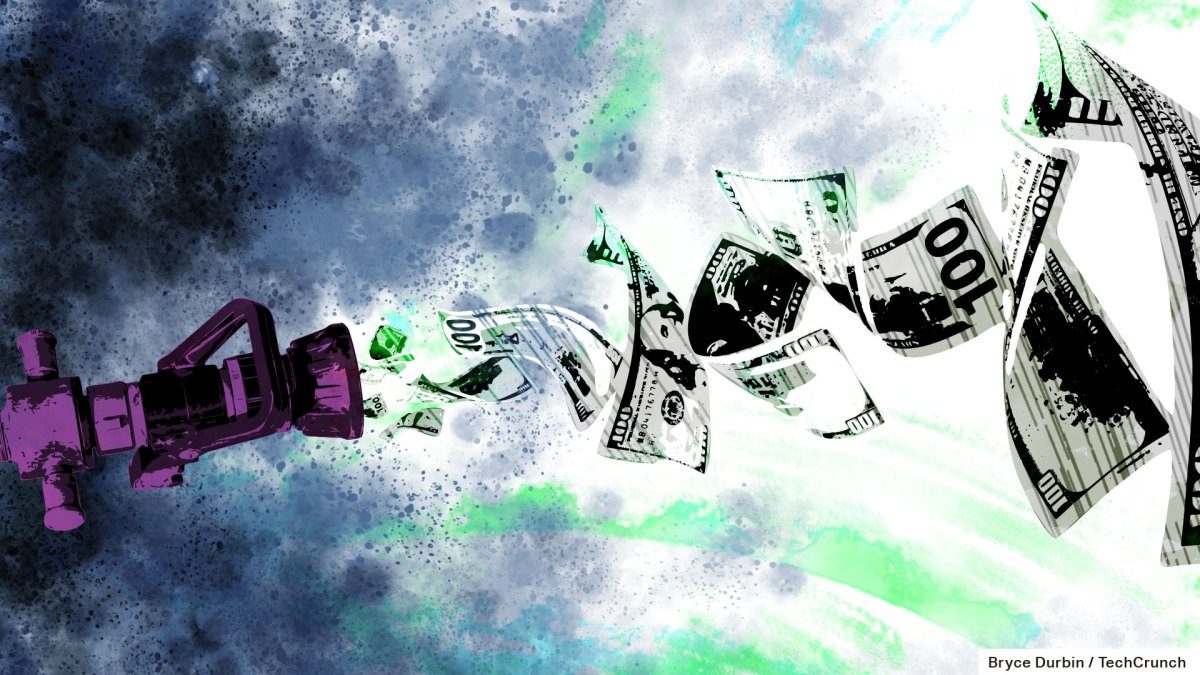
As the competition among AI startups intensifies, founders and venture capitalists are exploring innovative valuation methods to establish a perception of market dominance.
Traditionally, highly sought-after companies would undergo multiple rounds of funding in rapid succession, with valuations escalating each time. However, to prevent constant fundraising from detracting founders’ focus from product development, leading VCs have introduced a new pricing structure that consolidates what would have been separate funding cycles into a single round.
Notable examples of this approach include Aaru’s Series A funding. The synthetic-customer research startup secured a round led by Redpoint, with a significant portion of the investment made at a $450 million valuation. Subsequently, Redpoint invested a smaller portion at a $1 billion valuation, with other VCs also joining at the $1 billion price point. This strategy enables startups like Aaru to attain unicorn status, valued at over $1 billion, despite a portion of the equity being acquired at a lower price.
According to Jason Shuman, a general partner at Primary Ventures, the competitive venture capital landscape drives firms to pursue deals with substantial headline valuations to deter other VCs from backing rival companies.
This unconventional valuation tactic has raised concerns among investors like Wesley Chan, co-founder of FPV Ventures, who liken it to bubble-like behavior, highlighting the risk of selling the same product at different prices. However, for most founders, offering discounts to top-tier VCs can attract talent and future capital.
Techcrunch event
San Francisco, CA
|
October 13-15, 2026
Another company, Serval, an AI-powered IT help desk startup, adopted preferential pricing for its lead investor, Sequoia. Despite the blended valuation being lower than $1 billion, Serval’s Series B round valued the company at $1 billion, a move intended to attract talent and corporate customers.
While the headline valuation can enhance recruitment efforts and market perception, startups face the challenge of justifying their high valuations in subsequent rounds. Failure to raise funds at a valuation higher than the headline price can result in a punitive down round, affecting ownership percentages for employees and founders and eroding confidence among stakeholders.
Jack Selby, managing director at Thiel Capital, emphasizes the risks associated with pursuing extreme valuations, citing the cautionary tale of the 2022 market reset. He warns founders of the pitfalls of engaging in a high-wire act that could lead to detrimental consequences.
Ultimately, while the market for these high-demand startups is robust, unforeseen challenges may arise that threaten their ability to sustain their elevated valuations. Navigating these uncertainties requires a delicate balance to avoid potential setbacks in the future.













Revving Up: Searching for CarExpert.co.nz’s Top Presenter and Reviewer

Advancing Military Technology: Inside the EU’s Innovation Strategy

Exploited RCE Vulnerability in VMware Aria Operations Identified by CISA

Verminsteel: The Furry Fighting Revolution

Unveiling the OnePlus 15T: Enhanced Periscope Camera and Sleek Bezels

The Pricing Paradox: Discrepancies in AI Startup Equity Sales

Smart Luggage Tracking: Android’s Find Hub Revolutionizes Travel Technology

Samsung’s Latest Galaxy Watch to Feature Snapdragon Wear Elite Chip Technology

Exploring the Impact of Apple on User Experience

EU Takes Action Against Instagram and Facebook for Violating Illegal Content Rules

Warning: Facebook Creators Face Monetization Loss for Stealing and Reposting Videos

Facebook Compliance: ICE-tracking Page Removed After US Government Intervention

InstaDub: Meta’s AI Translation Tool for Instagram Videos

Facebook’s New Look: A Blend of Instagram’s Style

Facebook and Instagram to Reduce Personalized Ads for European Users

Reclaim Your Account: Facebook and Instagram Launch New Hub for Account Recovery

Meta discontinues Messenger apps for Windows and macOS

Breaking Updates: Meta Connect 2025 Unveils Latest Developments

Dear Apple.

22 NIGHTMARE Tech FAILS they want us to forget.

Do NOT buy the Freedom Phone!! 🤬

Nothing Ear 1 Review – The Problem with Hype.

Calyx OS – The next big Android Competitor!?

24 HOTTEST Inventions that will change your Life.

Galaxy Z Fold 3 – What was Samsung Thinking!?

Why Samsung is losing to Xiaomi.

I bought the CHEAPEST Tech in the World 🌍
-
 Facebook4 months ago
EU Takes Action Against Instagram and Facebook for Violating Illegal Content Rules
-
 Facebook5 months ago
Warning: Facebook Creators Face Monetization Loss for Stealing and Reposting Videos
-
 Facebook5 months ago
Facebook Compliance: ICE-tracking Page Removed After US Government Intervention
-
 Facebook5 months ago
InstaDub: Meta’s AI Translation Tool for Instagram Videos
-
 Facebook3 months ago
Facebook’s New Look: A Blend of Instagram’s Style
-
 Facebook3 months ago
Facebook and Instagram to Reduce Personalized Ads for European Users
-
 Facebook3 months ago
Reclaim Your Account: Facebook and Instagram Launch New Hub for Account Recovery
-
 Apple4 months ago
Meta discontinues Messenger apps for Windows and macOS
