
Mobile Tech
The Rise and Fall of the iPhone Air: How the Slim Smartphone Craze Came to an End

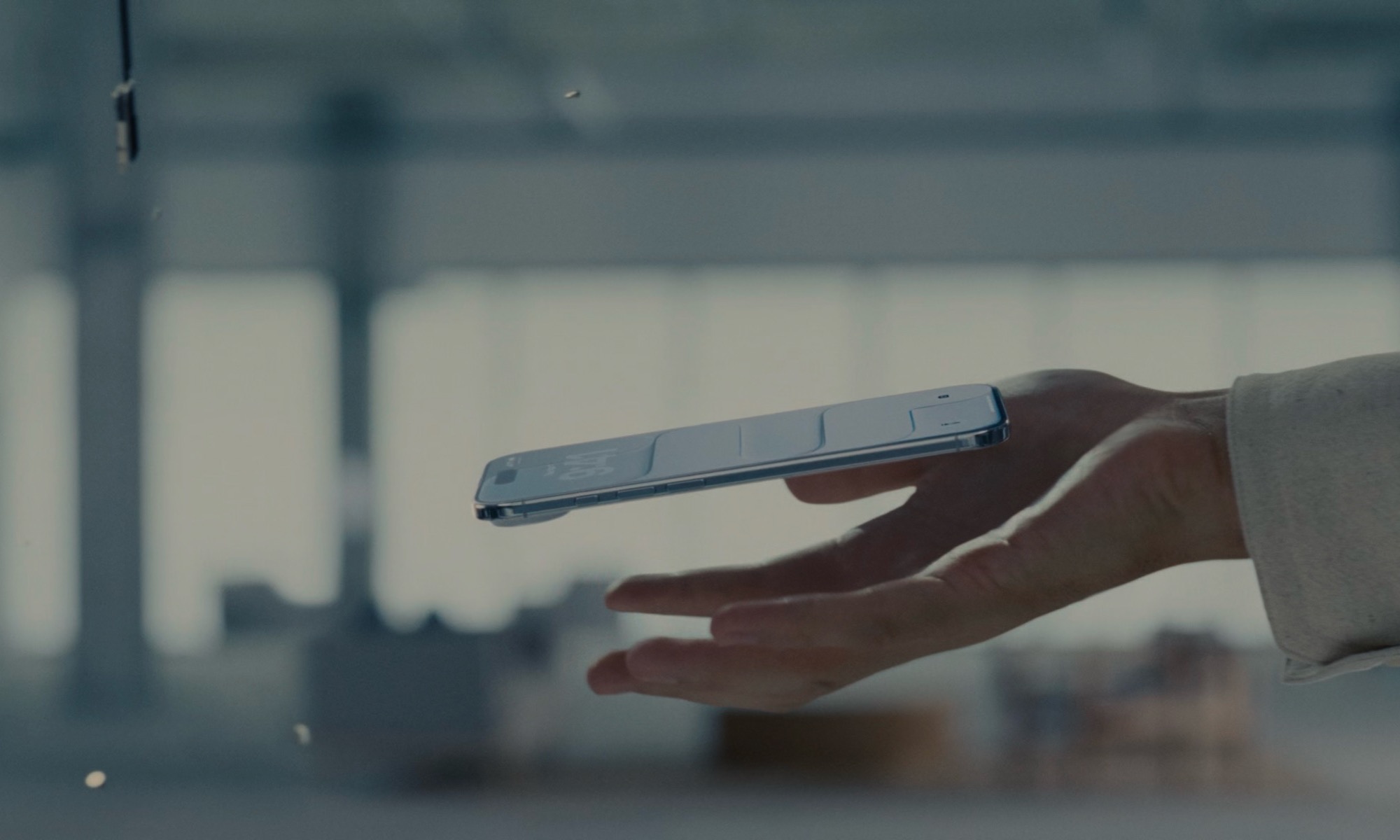
The tech industry may have misjudged a niche experiment as the next big trend with the release of Apple’s iPhone Air. While the verdict is still out on whether the ultra-slim phone can be considered a failure, its lackluster demand has caused other smartphone manufacturers to rethink their plans to follow suit.
Chinese smartphone giants like Xiaomi, Oppo, and Vivo, as reported by DigiTimes, have abandoned their projects to develop Air-style models after witnessing the lukewarm reception of the iPhone Air. Xiaomi, known for mimicking Apple’s designs, had reportedly aimed to create a direct competitor to the iPhone Air in China. Meanwhile, Vivo was focusing on slimming down their existing midrange models. Despite no official statements from these companies, insiders confirm the discontinuation of these projects due to consumer disinterest.
Conflicting reports surround the production status of the iPhone Air, with some sources claiming a near shutdown while others insist that production remains unchanged, aligning with Apple’s initial conservative targets. However, it is evident that the sales of the new model pale in comparison to the more conventional iPhone 17 series, with excess inventory lingering on shelves long after the newer models went on backorder.
While some critics label the iPhone Air as a misstep, others like Bloomberg’s Mark Gurman suggest that Apple never intended it to be a mainstream success. Instead, it served as a proof of concept and a technological exercise in preparation for the anticipated foldable iPhone set to debut next year. Gurman dismisses rumors of a delayed second-generation iPhone Air, emphasizing that it was never meant to adhere to an annual release cycle, as indicated by its lack of numbering.
The industry’s reaction to the iPhone Air raises questions about whether competitors were misled by Apple’s strategic move. While Samsung attempted to rival Apple with the Galaxy S25 Edge, the results were no more promising. The market for luxury ultra-slim smartphones appears limited, challenging the assumption that consumers desire such sleek designs. Apple’s influence is evident as rivals scrambled to replicate the Air’s blueprint, only to backtrack after its underwhelming reception.
Apple’s innovation continues to shape the smartphone landscape, prompting competitors to emulate its strategies. Despite the lukewarm response to the iPhone Air, Apple remains committed to its vision, with plans for a sequel in the pipeline. If the iPhone Air serves as a precursor to the foldable iPhone, its concept remains viable and awaits further development.
Disclaimer: The information presented is speculative and unconfirmed by Apple. Readers are advised to exercise caution when considering tech rumors. Take all reports with a grain of salt.
[The information provided in this article has NOT been confirmed by Apple and may be speculation. Provided details may not be factual. Take all rumors, tech or otherwise, with a grain of salt.]












Maximizing MacBook Battery Life: Tips for Charging Slowly and Setting Charge Limits

Lost Legacy: The Disappearance of AC Schnitzer and the Changing Automotive Landscape

Cyber Warfare: The Battlefront of the Digital Age

Monster Hunter Stories 3: The Challenge of Twisted Reflection

Revolutionizing Cash-Pay Clinic Prescribing: VITL Secures $7.5M Amid GLP-1 Boom

Balancing Act: The Decision to Shut Down Sora

Exclusive Arrival: Cupra Born VZ Lands in Australia – But There’s a Twist!

iPhone 12 Pro Max vs Samsung Note 20 Ultra / Huawei Mate 40 Pro Camera Test Comparison.

ClickFix: The New Threat to macOS Security

EU Takes Action Against Instagram and Facebook for Violating Illegal Content Rules

Warning: Facebook Creators Face Monetization Loss for Stealing and Reposting Videos

Facebook Compliance: ICE-tracking Page Removed After US Government Intervention

Facebook’s New Look: A Blend of Instagram’s Style

Facebook and Instagram to Reduce Personalized Ads for European Users

InstaDub: Meta’s AI Translation Tool for Instagram Videos

Reclaim Your Account: Facebook and Instagram Launch New Hub for Account Recovery

Meta discontinues Messenger apps for Windows and macOS

Breaking Updates: Meta Connect 2025 Unveils Latest Developments
iPhone 12 Pro Max vs Samsung Note 20 Ultra / Huawei Mate 40 Pro Camera Test Comparison.

iPhone 12 Pro Max vs Samsung Note 20 Ultra / Huawei / Xiaomi / OnePlus Battery Life DRAIN Test.

The BEST Smartphone of 2020 🏆

The Self-Healing Smartphones!

Apple is not what it used to be.

Smartphones are Boring now.

The Fastest Android Phone Ever.

Unboxing the $122,000 Smartphone. 🤯

Are Linux Smartphones about to KILL Android?
-
 Facebook5 months ago
EU Takes Action Against Instagram and Facebook for Violating Illegal Content Rules
-
 Facebook5 months ago
Warning: Facebook Creators Face Monetization Loss for Stealing and Reposting Videos
-
 Facebook6 months ago
Facebook Compliance: ICE-tracking Page Removed After US Government Intervention
-
 Facebook4 months ago
Facebook’s New Look: A Blend of Instagram’s Style
-
 Facebook4 months ago
Facebook and Instagram to Reduce Personalized Ads for European Users
-
 Facebook6 months ago
InstaDub: Meta’s AI Translation Tool for Instagram Videos
-
 Facebook4 months ago
Reclaim Your Account: Facebook and Instagram Launch New Hub for Account Recovery
-
 Apple5 months ago
Meta discontinues Messenger apps for Windows and macOS
