
Startups
The Rise of the College Dropout: How They’ve Become the Ultimate Startup Founder Credential

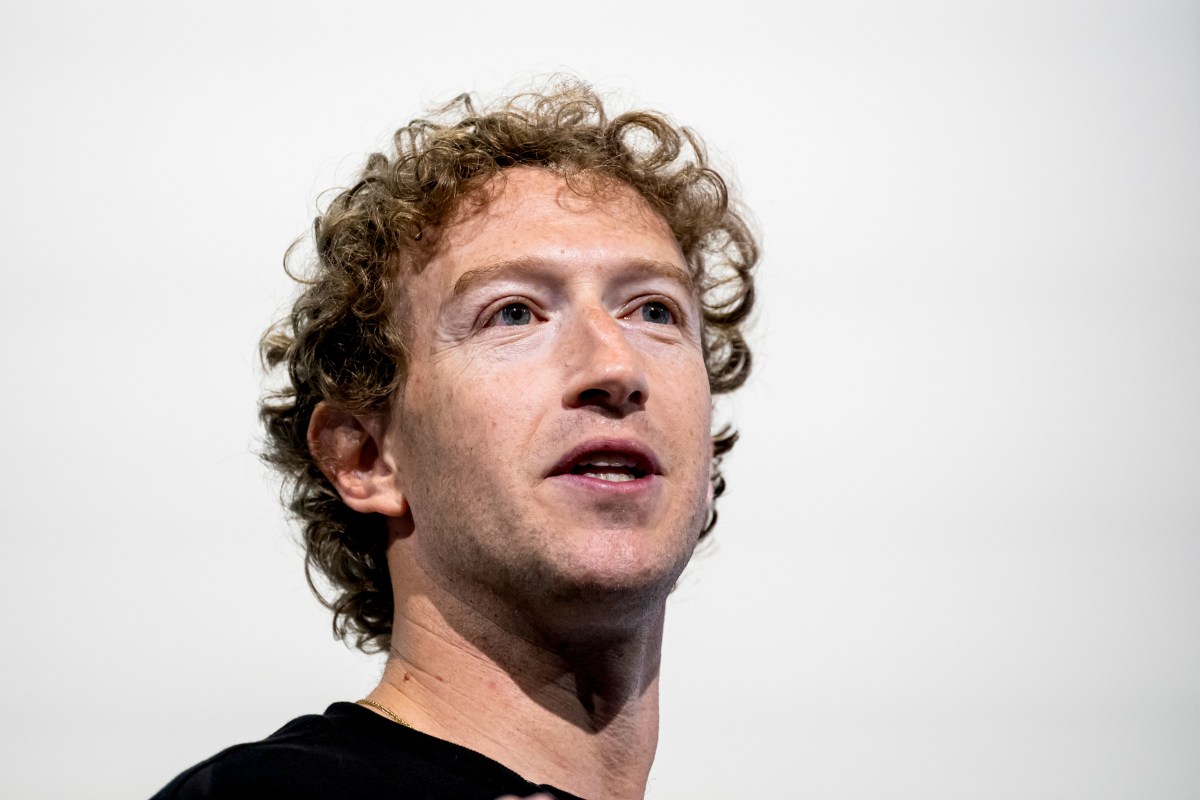
The Role of Education in Startup Success: Dropout Founders and the AI Boom
While iconic figures like Steve Jobs, Bill Gates, and Mark Zuckerberg are often cited as examples of successful entrepreneurs who dropped out of college, recent studies indicate that the majority of successful startups actually have founders with bachelor’s or graduate degrees.
Despite this data, the allure of dropout founders persists in the startup world, albeit with fluctuating enthusiasm from venture capitalists. This trend seems to be gaining momentum, especially in the current AI boom.
During events like Y Combinator Demo Days, it’s becoming increasingly common for founders to proudly mention their dropout status in their pitches, signaling a shift in perception within the venture ecosystem.
Katie Jacobs Stanton, founder of Moxxie Ventures, notes that being a dropout is now viewed as a credential that reflects a founder’s deep commitment to their startup, a quality that is increasingly valued in the startup community.
While many leading figures in the AI industry have chosen to complete their degrees, there is a growing fear among aspiring entrepreneurs that staying in school could mean missing out on crucial opportunities in the fast-paced world of AI development.
Some founders, like Brendan Foody of Mercor, have made headlines by leaving prestigious institutions like Georgetown to pursue their entrepreneurial ventures, driven by a sense of urgency and the fear of missing out.
As Kulveer Taggar of Phosphor Capital points out, there is a prevailing sentiment among young founders that they must choose between finishing their education and seizing the moment to start building their startups.
Don’t miss the upcoming Techcrunch event!
San Francisco
|
October 13-15, 2026
These concerns have led to extreme cases, such as a student walking away from his degree in the final semester because he believed that having a diploma could hinder his chances of securing funding for his startup.
While some founders worry that a degree might be viewed negatively by investors, Yuri Sagalov of General Catalyst suggests that VCs are less focused on dropout status, especially for students close to graduation.
Even though self-taught tech prodigies can launch successful startups without a formal education, Sagalov emphasizes the value of the social network and brand association that a university provides, regardless of whether the founder completes their degree.
According to Sagalov, the social value and networking opportunities associated with university participation can still be beneficial for founders, even if they don’t graduate.
While there is a growing belief among investors that a university degree is not essential for startup success, not all VCs agree that young dropout founders have a competitive edge in the market.
Wesley Chan of FPV Ventures, for instance, values wisdom in founders, a trait he believes is more commonly found in older individuals or those with more experience in the industry.












European Commission Launches Investigation into Amazon Cloud Account Breach

Drama and Dollars: The Evolution of Soap Opera-TikTok Hybrids

Maximizing MacBook Battery Life: Tips for Charging Slowly and Setting Charge Limits

Lost Legacy: The Disappearance of AC Schnitzer and the Changing Automotive Landscape

Cyber Warfare: The Battlefront of the Digital Age

Monster Hunter Stories 3: The Challenge of Twisted Reflection

Revolutionizing Cash-Pay Clinic Prescribing: VITL Secures $7.5M Amid GLP-1 Boom

Balancing Act: The Decision to Shut Down Sora

Exclusive Arrival: Cupra Born VZ Lands in Australia – But There’s a Twist!

EU Takes Action Against Instagram and Facebook for Violating Illegal Content Rules

Warning: Facebook Creators Face Monetization Loss for Stealing and Reposting Videos

Facebook Compliance: ICE-tracking Page Removed After US Government Intervention

Facebook’s New Look: A Blend of Instagram’s Style

Facebook and Instagram to Reduce Personalized Ads for European Users

InstaDub: Meta’s AI Translation Tool for Instagram Videos

Reclaim Your Account: Facebook and Instagram Launch New Hub for Account Recovery

Meta discontinues Messenger apps for Windows and macOS

Breaking Updates: Meta Connect 2025 Unveils Latest Developments

iPhone 12 Pro Max vs Samsung Note 20 Ultra / Huawei Mate 40 Pro Camera Test Comparison.

iPhone 12 Pro Max vs Samsung Note 20 Ultra / Huawei / Xiaomi / OnePlus Battery Life DRAIN Test.

The BEST Smartphone of 2020 🏆

The Self-Healing Smartphones!

Apple is not what it used to be.

Smartphones are Boring now.

The Fastest Android Phone Ever.

Unboxing the $122,000 Smartphone. 🤯

Are Linux Smartphones about to KILL Android?
-
 Facebook5 months ago
EU Takes Action Against Instagram and Facebook for Violating Illegal Content Rules
-
 Facebook5 months ago
Warning: Facebook Creators Face Monetization Loss for Stealing and Reposting Videos
-
 Facebook6 months ago
Facebook Compliance: ICE-tracking Page Removed After US Government Intervention
-
 Facebook4 months ago
Facebook’s New Look: A Blend of Instagram’s Style
-
 Facebook4 months ago
Facebook and Instagram to Reduce Personalized Ads for European Users
-
 Facebook6 months ago
InstaDub: Meta’s AI Translation Tool for Instagram Videos
-
 Facebook4 months ago
Reclaim Your Account: Facebook and Instagram Launch New Hub for Account Recovery
-
 Apple5 months ago
Meta discontinues Messenger apps for Windows and macOS
