Gadgets
The Ultimate Showdown: Tablets vs Folding Phones – Making the Right Choice

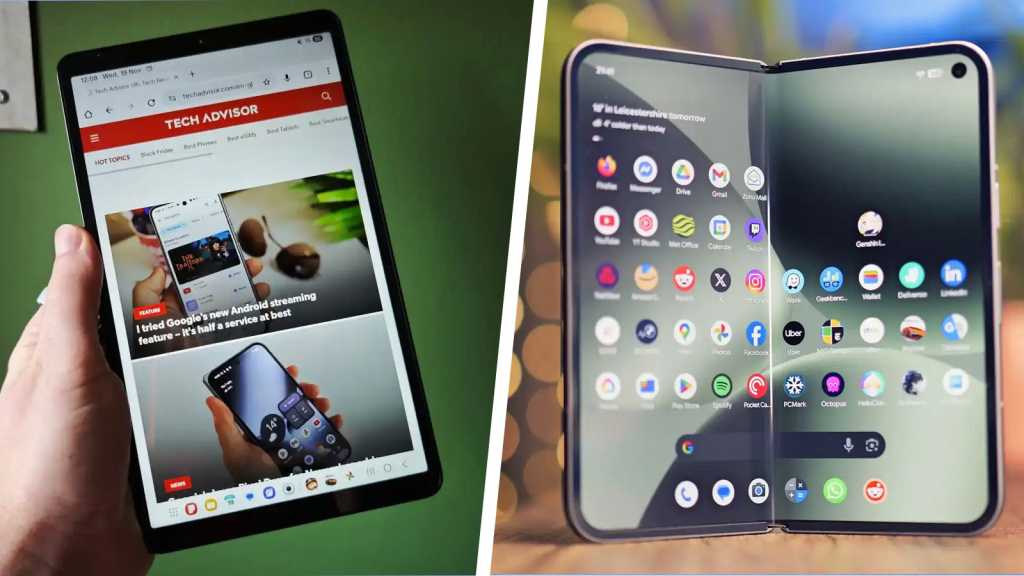
As the years have passed, the interest in foldable phones has increased significantly. They have become a popular topic of conversation in tech circles, with brands investing heavily in this innovative form factor.
Samsung has been at the forefront of foldable technology, introducing innovative models like the TriFold. Google has also joined the foldable trend with the Pixel 10 Pro Fold, and rumors suggest that Apple is working on a foldable iPhone set to launch soon.
I’ve always been fascinated by phone innovation, and the idea of a device that can transform from a compact phone to a tablet-like display is intriguing. The engineering behind foldable phones still feels futuristic, and the convenience of having a device that can switch between form factors is appealing.
Luke Baker
The appeal of foldable phones lies in their ability to quickly switch between a phone and a tablet-sized display. The folded form is convenient for everyday tasks, while the unfolded display offers a more immersive experience for activities like watching videos or editing content. This bridging of the gap between a phone and a tablet in a pocket-friendly form is a major draw for consumers.
Despite the allure of foldable phones, concerns about their long-term durability linger. Many users, myself included, are hesitant due to ongoing discussions about the longevity of foldable devices.
Here are the key reasons why I still prefer a traditional tablet over a foldable phone.
A foldable’s larger screen may not be sufficient
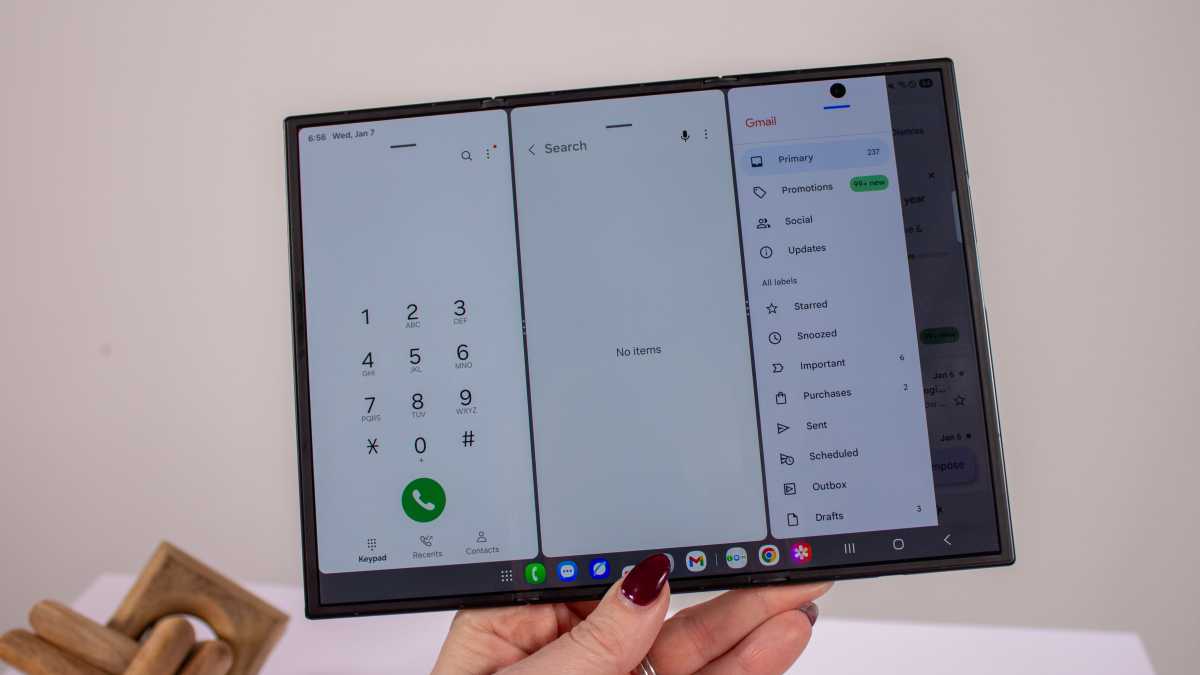
If you prefer a larger display, a foldable phone may not meet your expectations. Even the largest foldable phones, like the Samsung Galaxy Z Fold 7 with its 8-inch inner display, offer less screen real estate than most compact tablets, which typically have around a 10-inch screen.
While foldables do come with an additional outer display, it doesn’t fully replace the experience of working on a larger screen. Simply having a screen larger than a phone doesn’t necessarily mean it’s as functional as a tablet.
Despite advancements like Samsung’s TriFold design, the fundamental issue of screen size remains unchanged.
Britta O’Boyle
Another limitation of foldable phones is their aspect ratio. The near-square inner displays can feel awkward for tasks like reading, writing, and multitasking. Tablets, on the other hand, offer a wider, more natural display, providing a more comfortable user experience.
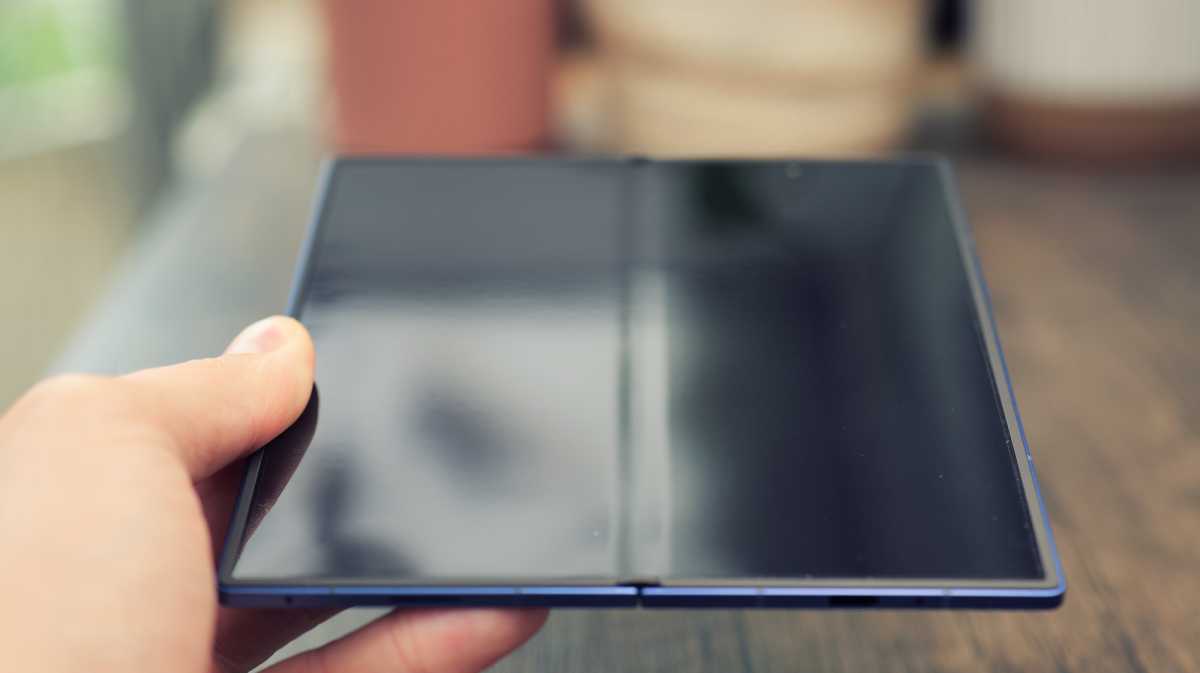
The crease on foldable phones is also a concern. While it may seem minor, it can be distracting and disrupt the overall user experience. The constant reminder of the design compromise can be off-putting.
Luke Baker
Tablets offer uninterrupted screen space, providing a smoother user experience. While foldable phones are not inherently bad, they are compromised by design. The gap between the promise of foldable technology and its everyday usability is why I still prefer a tablet.
Foldables still lack in durability and battery life
The hinges and inner screens of foldable phones are prone to wear and tear over time. Users may feel anxious about the delicate nature of these components, even with assurances of durability from manufacturers.
The thought of opening and closing an expensive foldable device daily can be stressful. Even minor changes in the folding mechanism can cause concern for users.
In contrast, tablets are more robust and easier to protect. While they may require more space in a bag, they are generally sturdier and less prone to damage. The peace of mind that comes with using a durable device is invaluable.
There can be anxiety around opening and closing an expensive device daily
One of the challenges that foldable phones face is their battery life. While the dual display setup of foldables can aid in multitasking, a larger battery is often necessary, which can result in a bulkier device.
Additionally, foldable phones typically have smaller batteries compared to traditional devices. For example, the OnePlus Open has a 4805 mAh battery, which may be sufficient for daily use but may not provide optimal performance for a dual display setup.
The longevity of foldable phones is also a concern. The hinges, flexible screens, and smaller batteries are more susceptible to wear and tear compared to conventional devices. Tablets, on the other hand, tend to be more durable and reliable for media consumption, work, and travel.
Foldables still face challenges with large-screen software
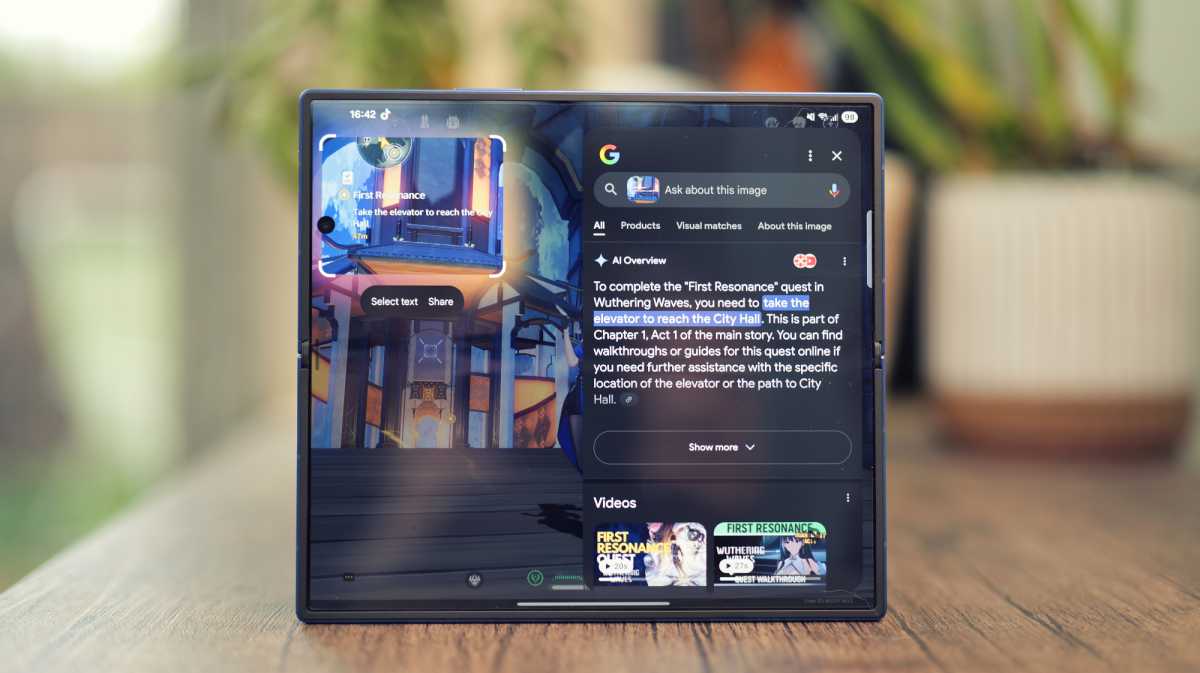
Despite offering larger displays, foldable phones often struggle with software optimization. Many apps are not properly tailored for foldable screens, leading to stretched layouts and awkward spacing. Even in 2026, some apps may not be fully compatible with foldable devices.
While split-screen functionality can work well in some cases, other apps may not resize properly or require constant adjustments. The promise of multitasking on a foldable phone may not always align with the actual user experience.
Luke Baker
Tablets generally have a better software experience on larger screens. Apps are designed with big displays in mind, resulting in more thoughtful layouts and smoother user interactions. The superiority of tablets in software optimization becomes evident during extended usage sessions.
Foldables lack long-term value
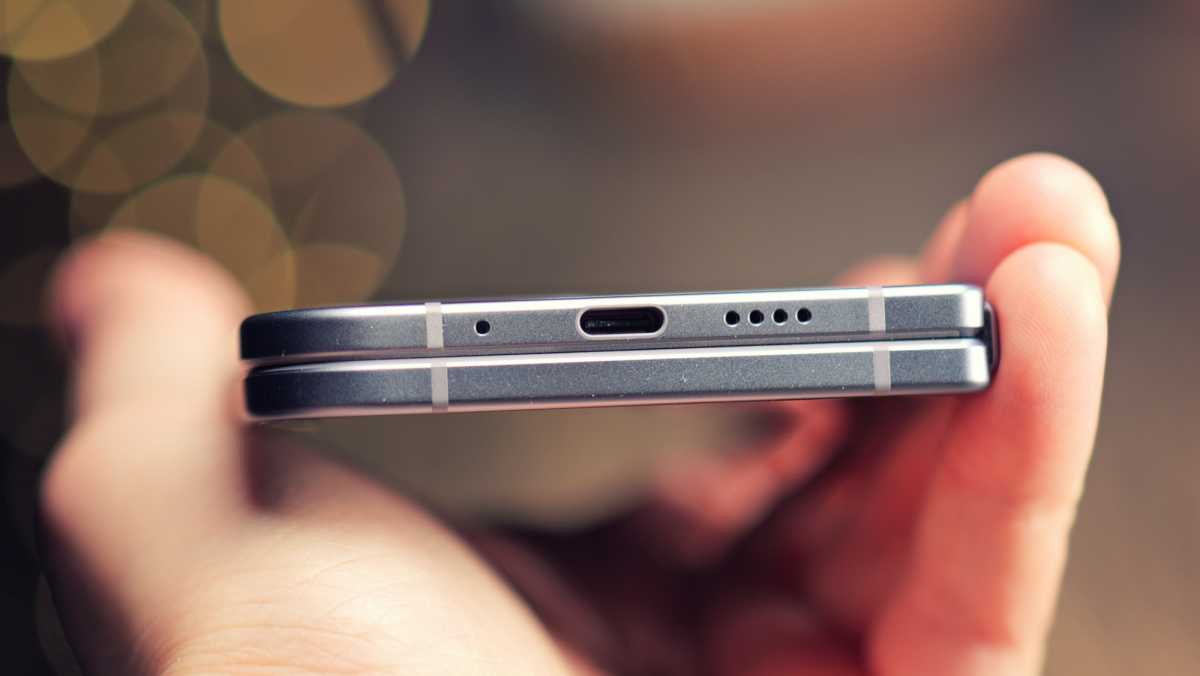
One area where foldable phones struggle is in terms of repairability. The adhesive used for flexible screens can deteriorate over time, and the hinge mechanism adds complexity to repairs, making them more challenging and costly.
A damaged inner screen or hinge issue can lead to expensive repairs, sometimes costing as much as a new device. In comparison, tablets have a simpler design, making screen or battery replacements more straightforward. This simplicity can be beneficial in the long run, especially for users planning to keep their device for several years.
Luke Baker
Imagine needing a repair four years down the line. With a traditional tablet, finding replacement parts or third-party options is relatively straightforward. However, the same repair for a foldable phone can be much more challenging, as specialized parts like inner displays and hinges are harder to come by and lack reliable alternatives.











Bearlyfy Strikes Russian Companies with Unique GenieLocker Ransomware Attack

Innovative Ventures: The 8 Startups Investors Can’t Resist from YC Demo Day

The Future of iPhone Cameras: Is a 200 MP Lens Coming Soon?

Celebrating the First iX3 Delivery at BMW’s Debrecen Factory

iPhone 12 Pro Max vs Samsung Note 20 Ultra / Huawei / Xiaomi / OnePlus Battery Life DRAIN Test.

Stealthy Malware: The Hidden Threat Within Telnyx PyPI Package

Harvest of Suspicion: Grave Seasons Murder Mystery Farming Sim Arrives in August

Tech Giants Clash: OpenAI Halts Sora as Meta Faces Legal Setback

Apple’s AI Playlist Playground: Where Music Goes to Die

EU Takes Action Against Instagram and Facebook for Violating Illegal Content Rules

Warning: Facebook Creators Face Monetization Loss for Stealing and Reposting Videos

Facebook Compliance: ICE-tracking Page Removed After US Government Intervention

Facebook’s New Look: A Blend of Instagram’s Style

Facebook and Instagram to Reduce Personalized Ads for European Users

InstaDub: Meta’s AI Translation Tool for Instagram Videos

Reclaim Your Account: Facebook and Instagram Launch New Hub for Account Recovery

Meta discontinues Messenger apps for Windows and macOS

Breaking Updates: Meta Connect 2025 Unveils Latest Developments
iPhone 12 Pro Max vs Samsung Note 20 Ultra / Huawei / Xiaomi / OnePlus Battery Life DRAIN Test.

The BEST Smartphone of 2020 🏆

The Self-Healing Smartphones!

Apple is not what it used to be.

Smartphones are Boring now.

The Fastest Android Phone Ever.

Unboxing the $122,000 Smartphone. 🤯

Are Linux Smartphones about to KILL Android?

15 Smartphone FAILS to ruin your day 😂
-
 Facebook5 months ago
EU Takes Action Against Instagram and Facebook for Violating Illegal Content Rules
-
 Facebook5 months ago
Warning: Facebook Creators Face Monetization Loss for Stealing and Reposting Videos
-
 Facebook5 months ago
Facebook Compliance: ICE-tracking Page Removed After US Government Intervention
-
 Facebook4 months ago
Facebook’s New Look: A Blend of Instagram’s Style
-
 Facebook4 months ago
Facebook and Instagram to Reduce Personalized Ads for European Users
-
 Facebook5 months ago
InstaDub: Meta’s AI Translation Tool for Instagram Videos
-
 Facebook4 months ago
Reclaim Your Account: Facebook and Instagram Launch New Hub for Account Recovery
-
 Apple5 months ago
Meta discontinues Messenger apps for Windows and macOS
