
Cars
Ultimate Guide to Reliability, Tuning, and Maintenance: Maximize Your Equipment’s Performance

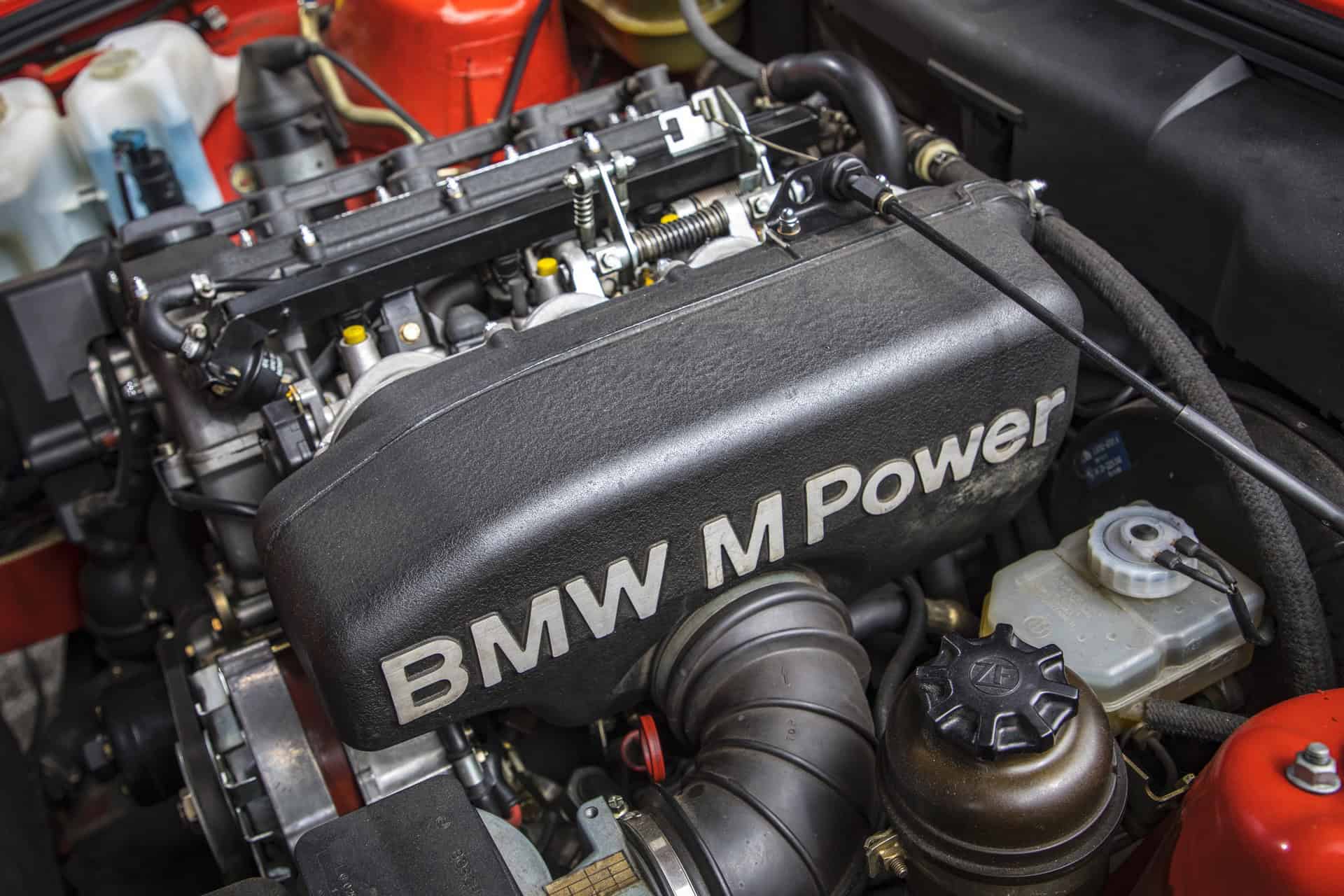
The Legendary BMW S14 Engine: A Comprehensive Guide
In This Article
The BMW S14 engine holds a special place in the history of BMW, particularly known for powering the iconic original M3 during the 1980s and 1990s. It remains one of the most revered four-cylinder engines ever built, boasting a unique blend of performance and engineering prowess. However, beneath its legendary status lies a complex powerplant that demands careful attention and maintenance. Understanding the intricacies of the S14 engine is crucial for anyone considering ownership.
Origins and Evolution of the S14 Engine
The S14 engine was developed by BMW as a highly modified version of the M10 four-cylinder block combined with a shortened BMW S38 cylinder head. This innovative design provided the necessary mechanical foundation for the engineers while allowing for significant performance enhancements through cylinder head development.
The initial iteration of the S14, known as the S14B20 (2.0L, 1,990 cc), made its debut in 1986-1987 in the E30 320iS, exclusively available in Italy and Portugal. This version generated 197 horsepower and hinted at the engine’s potential in markets where smaller displacement was preferred due to taxation reasons.
The E30 M3 (1986-1991) utilized the S14B23 (2.3L, 2,302 cc) right from its launch, initially producing 197 horsepower, or 192 horsepower with a catalytic converter, along with 230 Nm of torque. In April 1989, BMW introduced the Ravaglia and Cecotto limited editions with 212 horsepower, which later became the standard engine in September 1989. A further evolution of the engine delivered 217 horsepower, or 212 horsepower with a catalytic converter.
The final evolution of the E30 model occurred in 1989 when the displacement was increased to 2,467 cc (2.5L), resulting in 235 horsepower. This demonstrated the S14 engine’s engineering capacity, achieved primarily through increased displacement rather than drastic internal modifications.
The S14 engine featured a unique dual throttle body setup with two separate throttle bodies, each incorporating two throttle butterfly plates. This configuration not only provided responsive throttle response but also contributed to the engine’s distinctive power delivery characteristics.
Reliability: The Strengths and Challenges
The S14 engine has earned a reputation for durability, which is partly justified but also somewhat exaggerated. With proper maintenance, these engines can often surpass 200,000 miles. The fundamental design elements are solid: a robust block, a forged crankshaft, and sturdy connecting rods capable of withstanding significant stress.
However, maintaining the S14 engine requires strict adherence to a regular oil change schedule—typically every 3,000-5,000 miles depending on the engine’s condition—and the use of high-quality synthetic oil. Neglecting these maintenance tasks can lead to varnish buildup, accelerating wear on valve guides and piston rings. The VANOS system (variable valve timing) relies on clean oil, and contaminated oil can result in rough idling and reduced performance before any catastrophic failures occur.
Early versions of the E30 engines experienced documented issues with valve stem seals that tended to leak oil, causing blue smoke under load. Although BMW addressed this problem in later production runs, prospective buyers of older S14 engines should conduct thorough inspections. Piston slap, characterized by a slight knocking noise during cold starts, is present in some engines but is considered a manufacturing trait rather than an imminent failure point. However, prolonged aggressive driving before proper warm-up can exacerbate this issue over time.
One of the most concerning longevity issues related to the S14 engine is timing chain wear. Unlike a timing belt, the S14 utilizes a timing chain, which, while durable in theory, can stretch if tensioner wear goes unnoticed. Warning signs of this issue may not be overt, with the engine exhibiting reduced performance and timing-related misfires. By the time noticeable symptoms manifest, significant wear may have already occurred. It is advisable to inspect chain wear during valve cover removal as a preventative measure, especially on higher-mileage engines.
Common Problems and Failure Points
VANOS System: The variable valve timing system functions optimally with regular maintenance but can pose challenges if neglected. Worn VANOS solenoids can trigger check engine lights and cause rough idling. Replacing these components can cost between $800 to $1,500 in parts and labor.
Oil Leaks: The S14 engine is prone to oil leaks, with issues commonly arising from valve cover gaskets, cam cover seals, and crankshaft seal leaks. These leaks are considered routine maintenance tasks rather than inherent defects. It is recommended to budget for valve cover gasket replacements every 50,000-80,000 miles to avoid more significant issues.
Cooling System: The standard cooling system in the S14 engine is crucial, as overheating can lead to severe damage. The radiator design is not particularly efficient, and the water pump is susceptible to wear. Upgrading to a high-quality aftermarket radiator and ensuring the integrity of hoses is essential, especially if considering performance modifications.
Fuel System Degradation: The S14 engine utilizes a returnless fuel system that may accumulate carbon deposits in the injectors over time. Fuel quality and regular maintenance intervals are critical, as using low-quality gasoline can accelerate deposit buildup, resulting in hesitation and stumbling.
Maintenance Essentials
Owning a vehicle equipped with the S14 engine requires a meticulous maintenance regimen compared to many other engines. Regular oil changes are paramount, as is maintaining the integrity of the cooling system and replacing valve cover gaskets at prescribed intervals. The engine responds well to attentive care but can incur significant costs if neglected.
An estimated annual maintenance budget for a well-maintained S14 engine ranges from $1,500 to $2,500, covering fluid services, gasket replacements, and preventive maintenance tasks. This projection excludes major repairs but encompasses essential maintenance measures to ensure the engine’s longevity. Neglecting these crucial aspects can lead to costly issues down the line.
Tuning Opportunities
The tuning potential of the S14 engine sets it apart from average four-cylinder engines. The platform is highly responsive to modifications due to BMW’s strategic engineering approach. A comprehensive bolt-on package comprising intake, exhaust enhancements, and an ECU remap can yield performance gains ranging from 40 to 60 horsepower on a stock S14B23 engine. While numerous tuners have pushed the S14 engine to even greater heights with various kits, the ultimate limitations are determined by cooling capacity and fuel system capabilities.
Successors and Influence
The BMW S14 engine did not have a direct successor within the M3 lineage. The transition to the BMW S50 six-cylinder engine in the E36 M3 marked a departure from the four-cylinder formula. For racing purposes, BMW developed the S42 engine based on the M42 engine, which powered the E36 320i in the German Super Tourenwagen Cup. However, no production BMW four-cylinder M engine succeeded the S14, as the company decisively shifted towards six-cylinder configurations for its performance vehicles.
This strategic shift was influenced by market trends and regulatory requirements, signifying the end of an era. The S14 engine stands as the final M-branded four-cylinder engine produced by BMW, underscoring its historical significance beyond its performance capabilities.
Legacy of the S14 Engine
The S14 engine embodies a specific philosophy centered around maximizing performance from naturally aspirated displacement through superior engineering and high RPM capabilities. While not the fastest or most reliable four-cylinder engine ever manufactured, the S14 engine remains cherished by enthusiasts who appreciate its unique character.
Prospective owners of vehicles equipped with the S14 engine should be prepared for a dedicated maintenance regimen. While the engine is robust, it demands meticulous care. Adhering to proper maintenance practices, using quality components, and understanding the operational costs are crucial factors that determine whether the engine serves as a reliable 200,000-mile companion or a potential source of costly repairs.
The S14 engine rewards enthusiasts who invest time and effort into its maintenance. By respecting its requirements, the engine offers one of the most engaging automotive experiences available. As the final M-branded four-cylinder engine from BMW, the S14 engine symbolizes a philosophy that the company has since moved away from, highlighting that memorable engines are not always the most powerful but those that demand active engagement from their caretakers.













Apple Bids Farewell to the Mac Pro Tower: Is it Truly Dead?

Porsche 911 GT3 RS Facelift: Unveiling the 992.2 Model in August 2026

Bearlyfy Strikes Russian Companies with Unique GenieLocker Ransomware Attack

Innovative Ventures: The 8 Startups Investors Can’t Resist from YC Demo Day

The Future of iPhone Cameras: Is a 200 MP Lens Coming Soon?

Celebrating the First iX3 Delivery at BMW’s Debrecen Factory

iPhone 12 Pro Max vs Samsung Note 20 Ultra / Huawei / Xiaomi / OnePlus Battery Life DRAIN Test.

Stealthy Malware: The Hidden Threat Within Telnyx PyPI Package

Harvest of Suspicion: Grave Seasons Murder Mystery Farming Sim Arrives in August

EU Takes Action Against Instagram and Facebook for Violating Illegal Content Rules

Warning: Facebook Creators Face Monetization Loss for Stealing and Reposting Videos

Facebook Compliance: ICE-tracking Page Removed After US Government Intervention

Facebook’s New Look: A Blend of Instagram’s Style

Facebook and Instagram to Reduce Personalized Ads for European Users

InstaDub: Meta’s AI Translation Tool for Instagram Videos

Reclaim Your Account: Facebook and Instagram Launch New Hub for Account Recovery

Meta discontinues Messenger apps for Windows and macOS

Breaking Updates: Meta Connect 2025 Unveils Latest Developments
iPhone 12 Pro Max vs Samsung Note 20 Ultra / Huawei / Xiaomi / OnePlus Battery Life DRAIN Test.

The BEST Smartphone of 2020 🏆

The Self-Healing Smartphones!

Apple is not what it used to be.

Smartphones are Boring now.

The Fastest Android Phone Ever.

Unboxing the $122,000 Smartphone. 🤯

Are Linux Smartphones about to KILL Android?

15 Smartphone FAILS to ruin your day 😂
-
 Facebook5 months ago
EU Takes Action Against Instagram and Facebook for Violating Illegal Content Rules
-
 Facebook5 months ago
Warning: Facebook Creators Face Monetization Loss for Stealing and Reposting Videos
-
 Facebook5 months ago
Facebook Compliance: ICE-tracking Page Removed After US Government Intervention
-
 Facebook4 months ago
Facebook’s New Look: A Blend of Instagram’s Style
-
 Facebook4 months ago
Facebook and Instagram to Reduce Personalized Ads for European Users
-
 Facebook5 months ago
InstaDub: Meta’s AI Translation Tool for Instagram Videos
-
 Facebook4 months ago
Reclaim Your Account: Facebook and Instagram Launch New Hub for Account Recovery
-
 Apple5 months ago
Meta discontinues Messenger apps for Windows and macOS
