
Gadgets
Ultimate Guide to Selecting the Perfect USB-C Charger

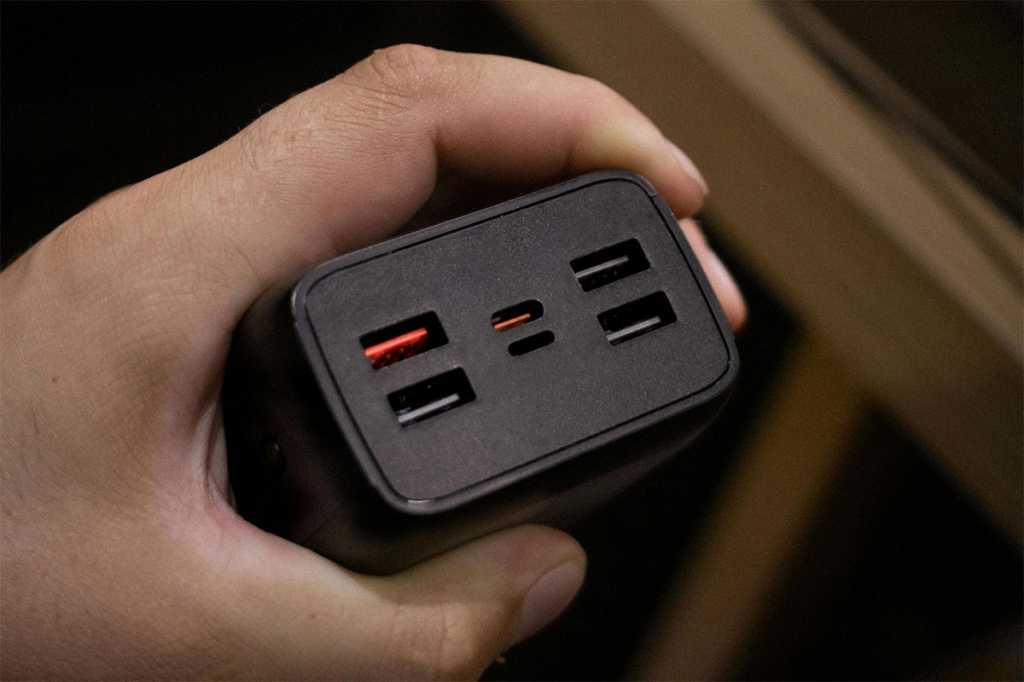
The transition from Apple’s Lightning connector to USB-C a few years ago was met with enthusiasm, especially in the UK and Europe, due to new regulations. The hope was that USB-C would bring order to the chaos of multiple cables and chargers. However, the promised USB-C paradise has not been fully realized, with confusion still surrounding which cables and chargers are compatible with different devices.
The EU’s Common Charger Directive, which came into law in 2022, requires products with rechargeable batteries to have a USB-C connector for charging. However, products that can only be charged wirelessly or have replaceable batteries charged via separate chargers are not included in the mandate. The directive aims to ensure that products can be charged with any charger, although maximum charging power may not be achieved in all cases.
The directive applies to various product categories, including mobile phones, tablets, digital cameras, wireless headphones, and laptops. Additionally, products that can be charged with over 5V, 3A of current or 15W of power must support the USB-PD standard.
The European Commission is expected to introduce new requirements for external power adapters to support USB-C specifications. This will involve labelling chargers with logos indicating the power they support, making it easier for consumers to choose the right charger.
Charging specifications have become more complex over time, with different technologies and standards emerging for fast charging. USB Power Delivery (USB-PD) has standardized charging with various power and current options, allowing for more efficient and flexible charging.
Optional features like Programmable Power Supply (PPS) and Adjustable Voltage Supply (AVS) further complicate the charging landscape. Some manufacturers continue to use proprietary fast-charging technologies instead of USB-PD with PPS.
Choosing the right USB-C charger can be challenging, especially considering the various charging standards and technologies available. It’s recommended to buy a charger from the same brand as your device or ensure compatibility by checking specifications.
In addition to charging, USB-C cables can also be used for data transfer, adding another layer of complexity. The USB-C standard supports alt mode for connecting screens, and Thunderbolt cables, which use USB-C connectors, are not interchangeable with regular USB-C cables.
Overall, the evolution of USB-C charging standards has brought both benefits and challenges, requiring consumers to navigate a complex landscape of technologies and compatibility issues.













Secure APK Sideloading: Harnessing the Power of Advanced Flow for Safe Android Installation

Gunvolt Chronicles: Luminous Avenger iX – The Complete Dual Collection

K2 Launches Groundbreaking High-Powered Satellite for Advanced Space Computing

The End of Security: iOS 13 and 14 Vulnerabilities in 2026

Exclusive Look: The 2027 Chevrolet Corvette Grand Sport Unleashed at Sebring

DON’T buy a Screen Protector before watching this.

Exploiting Vulnerable Drivers: How EDR Killers Use BYOVD to Disable Security

Alphabet’s X Unveils Innovative Spinout Targeting Costly Bureaucratic Challenges

Lawsuit: Halide co-founder accuses Sebastiaan de With of code theft for Apple

EU Takes Action Against Instagram and Facebook for Violating Illegal Content Rules

Warning: Facebook Creators Face Monetization Loss for Stealing and Reposting Videos

Facebook Compliance: ICE-tracking Page Removed After US Government Intervention

Facebook’s New Look: A Blend of Instagram’s Style

Facebook and Instagram to Reduce Personalized Ads for European Users

InstaDub: Meta’s AI Translation Tool for Instagram Videos

Reclaim Your Account: Facebook and Instagram Launch New Hub for Account Recovery

Meta discontinues Messenger apps for Windows and macOS

Breaking Updates: Meta Connect 2025 Unveils Latest Developments
DON’T buy a Screen Protector before watching this.

Beware of Fake Reviewers! ⚠️

Xiaomi Mi 11 Unboxing & Review.

The Galaxy S21 Ultra is Better than you think.

Samsung Galaxy S21 Ultra vs iPhone 12 Pro Max Camera Test Comparison.

Samsung S21 Ultra vs iPhone Battery Life Test!

The Truth about Xiaomi “Air Charging”

DON’T buy this Smartphone.

Galaxy S21 Ultra – Exynos vs Snapdragon.
-
 Facebook5 months ago
EU Takes Action Against Instagram and Facebook for Violating Illegal Content Rules
-
 Facebook5 months ago
Warning: Facebook Creators Face Monetization Loss for Stealing and Reposting Videos
-
 Facebook5 months ago
Facebook Compliance: ICE-tracking Page Removed After US Government Intervention
-
 Facebook3 months ago
Facebook’s New Look: A Blend of Instagram’s Style
-
 Facebook3 months ago
Facebook and Instagram to Reduce Personalized Ads for European Users
-
 Facebook5 months ago
InstaDub: Meta’s AI Translation Tool for Instagram Videos
-
 Facebook4 months ago
Reclaim Your Account: Facebook and Instagram Launch New Hub for Account Recovery
-
 Apple5 months ago
Meta discontinues Messenger apps for Windows and macOS
