
Mobile Tech
Unlocking the Potential: The iPhone 18 Pro’s Variable Aperture Technology

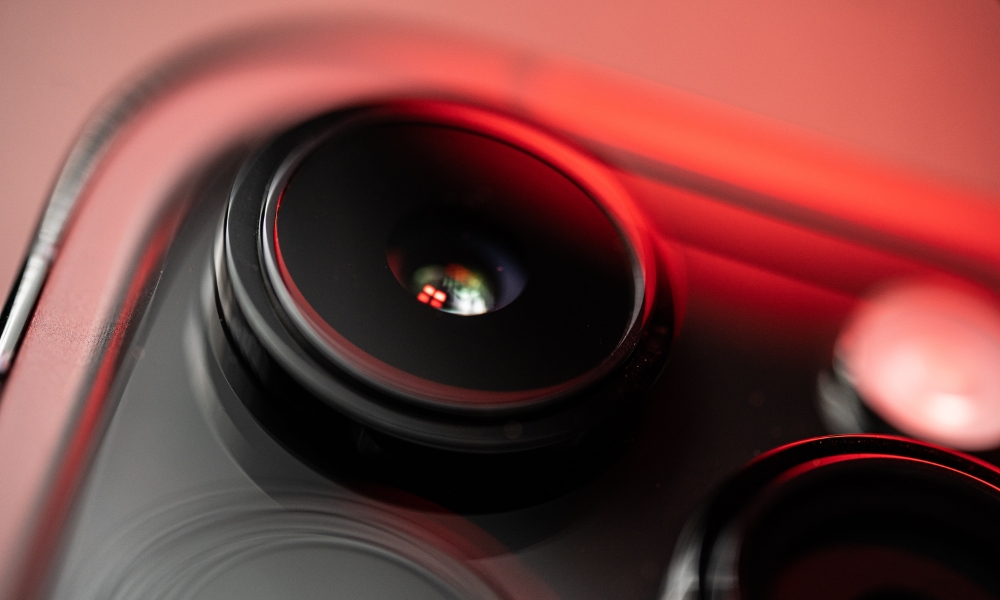
If there’s one major area of improvement you can bank on for each year’s new iPhone Pro models, it’s the cameras, and this year will be no exception.
While it’s a given that Apple will also update its A-series chips each year, those have become far less significant, especially now that we’ve reached the point of diminishing returns. Every so often, a chip like the A17 Pro pushes the state of the art to a whole new level, but the year-over-year silicon improvements typically just bolster performance and efficiency in small ways that go mostly unnoticed.
On the other hand, Apple’s flagship smartphones are always pushing the envelope on what smartphone cameras can do, whether that’s bumping up the megapixels or optical zoom levels, developing new sensor-cropping zoom techniques, or leveraging sophisticated computational photography features like Night Mode and Deep Fusion. In fact, it’s hard to remember a year when the camera upgrades weren’t the main selling point of a new iPhone Pro model.
With the iPhone 17 Pro, all three lenses are now backed by 48 megapixel sensors, allowing the telephoto shooter, with its 4x tetraprism lens, to capture optical-quality photos at up to 8x. While rumors of a push to 200 MP still abound, Apple has never felt the need to chase the megapixel counts of its competitors, and it’s working on far more practical things instead, such as multispectral imaging sensors that can capture full color fidelity, allowing the iPhone to capture images with film-quality color representation. That would be a first not only for a smartphone, but for any digital camera.
However, we’re still at least a year or two away from that. In the meantime, this year’s iPhone 18 Pro is expected to stick with roughly the same 48 MP sensors and instead focus on making a more significant change to the lens optics by adding a variable aperture.
Variable Aperture: Real Bokeh vs. Software Tricks
A variable aperture will be familiar to anyone who has ever used any kind of traditional camera. Dialing in the right f-stop to adjust for light and depth of field is a key part of serious photography. However, this is something that’s been conspicuously missing on nearly every smartphone. Instead, smartphones typically used fixed aperture lenses, with modern depth of field adjustments (aka Portrait Mode) relying on computational photography tricks to emulate aperture changes.
For example, the iPhone 17 Pro Max sports an f/1.78 aperture for the Main camera, f/2.2 for the Ultra Wide, and f/2.8 for the Telephoto. For those who are unfamiliar, lower numbers represent wider apertures, which in this case means the primary lens can let in more light than either of the other two. These are also often referred to as “faster” lenses, as the additional light allows for higher shutter speeds.
This disparity between the Main and Telephoto lenses has been the norm on iPhone Pro models for years; it’s why you’ll often see the main camera being used for close-ups in lower light conditions, as the digital zoom is considered a reasonable tradeoff for the ability to actually capture enough light for a usable photo.
As the name implies, a move to a variable aperture lens would allow these f-stop numbers to be adjusted across a wider range. Some rival companies have toyed with this technology in the past, but it typically meant bulkier and more expensive phones. However, Apple may have figured out a way to solve both those problems.
It’s far from the first we’ve heard this. Reports of Apple exploring variable aperture lenses for the 2026 models go back to December 2024, when Ming-Chi Kuo reported on information out of the supply chain, and it’s been backed up by several other supply chain analyst and leaker reports in the 13 months since then.
Now, well-known leaker “Digital Chat Station” has weighed in on Weibo to say that Apple is testing both a variable aperture lens for the main camera and a telephoto lens with a larger fixed aperture. While that first report isn’t unique, the second one is — and it would be pretty significant if it’s accurate.
A History of iPhone Apertures: The Road to the 18 Pro
While Apple adjusts the apertures of its iPhone cameras in new models from time to time, those changes aren’t frequent — and they’re not always for the better. For instance, the main camera aperture went from f/1.6 on the iPhone 12 Pro to f/1.5 on the iPhone 13 Pro — the “fastest” main lens on any iPhone to date — and then back down to f/1.78 on the iPhone 14 Pro and it’s been there ever since. However, that was also the year it first moved to a 48 MP sensor, which captured significantly more light, so it more than compensated for the smaller aperture.
Transform the following:
“Be the change you wish to see in the world.”
into:
“In order to see change in the world, you must first be the change.”









Bearlyfy Strikes Russian Companies with Unique GenieLocker Ransomware Attack

Innovative Ventures: The 8 Startups Investors Can’t Resist from YC Demo Day

The Future of iPhone Cameras: Is a 200 MP Lens Coming Soon?

Celebrating the First iX3 Delivery at BMW’s Debrecen Factory

iPhone 12 Pro Max vs Samsung Note 20 Ultra / Huawei / Xiaomi / OnePlus Battery Life DRAIN Test.

Stealthy Malware: The Hidden Threat Within Telnyx PyPI Package

Harvest of Suspicion: Grave Seasons Murder Mystery Farming Sim Arrives in August

Tech Giants Clash: OpenAI Halts Sora as Meta Faces Legal Setback

Apple’s AI Playlist Playground: Where Music Goes to Die

EU Takes Action Against Instagram and Facebook for Violating Illegal Content Rules

Warning: Facebook Creators Face Monetization Loss for Stealing and Reposting Videos

Facebook Compliance: ICE-tracking Page Removed After US Government Intervention

Facebook’s New Look: A Blend of Instagram’s Style

Facebook and Instagram to Reduce Personalized Ads for European Users

InstaDub: Meta’s AI Translation Tool for Instagram Videos

Reclaim Your Account: Facebook and Instagram Launch New Hub for Account Recovery

Meta discontinues Messenger apps for Windows and macOS

Breaking Updates: Meta Connect 2025 Unveils Latest Developments
iPhone 12 Pro Max vs Samsung Note 20 Ultra / Huawei / Xiaomi / OnePlus Battery Life DRAIN Test.

The BEST Smartphone of 2020 🏆

The Self-Healing Smartphones!

Apple is not what it used to be.

Smartphones are Boring now.

The Fastest Android Phone Ever.

Unboxing the $122,000 Smartphone. 🤯

Are Linux Smartphones about to KILL Android?

15 Smartphone FAILS to ruin your day 😂
-
 Facebook5 months ago
EU Takes Action Against Instagram and Facebook for Violating Illegal Content Rules
-
 Facebook5 months ago
Warning: Facebook Creators Face Monetization Loss for Stealing and Reposting Videos
-
 Facebook5 months ago
Facebook Compliance: ICE-tracking Page Removed After US Government Intervention
-
 Facebook4 months ago
Facebook’s New Look: A Blend of Instagram’s Style
-
 Facebook4 months ago
Facebook and Instagram to Reduce Personalized Ads for European Users
-
 Facebook5 months ago
InstaDub: Meta’s AI Translation Tool for Instagram Videos
-
 Facebook4 months ago
Reclaim Your Account: Facebook and Instagram Launch New Hub for Account Recovery
-
 Apple5 months ago
Meta discontinues Messenger apps for Windows and macOS
