
Mobile Tech
Apple’s Authority Upheld: Court Rules App Removal Power Unrestricted

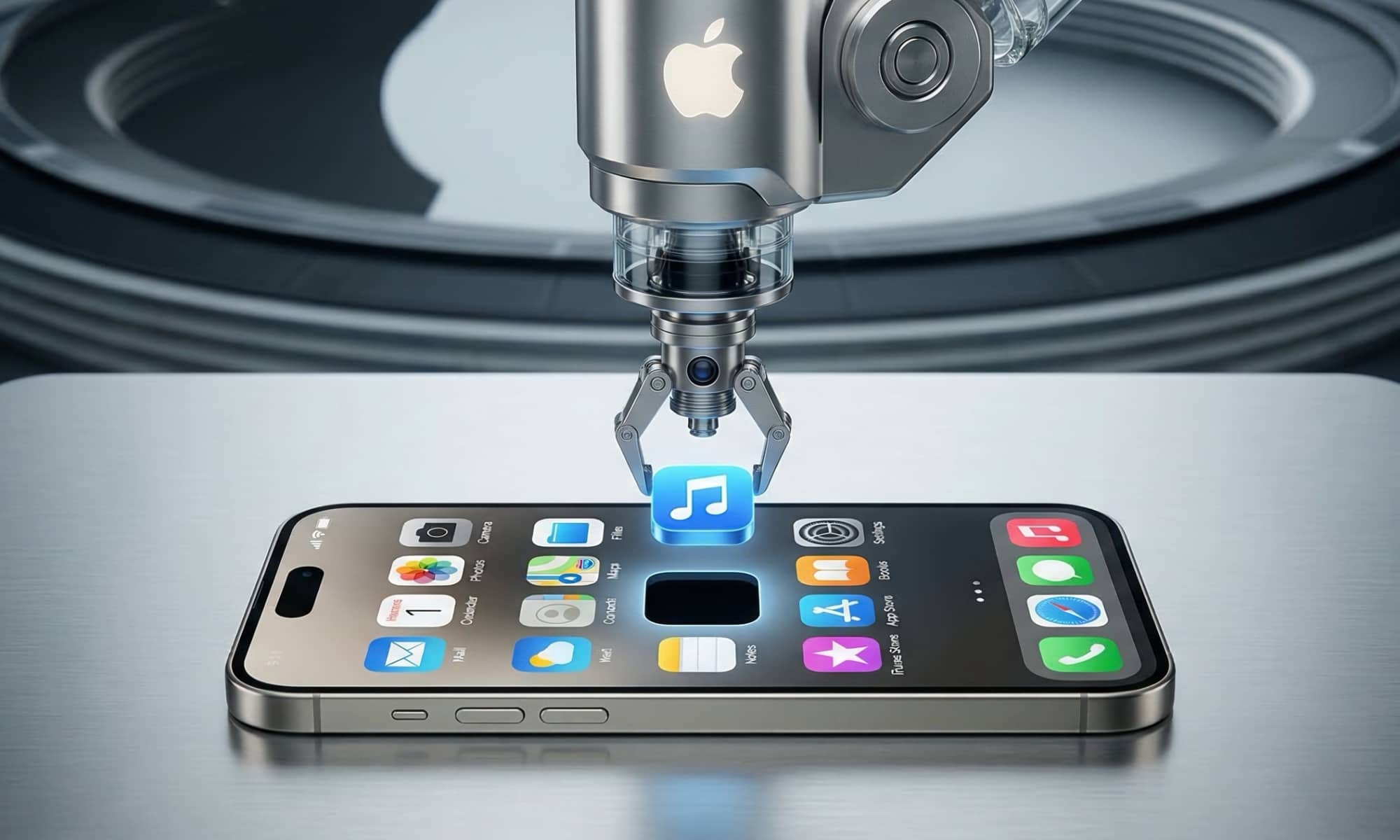
In 2024, Apple removed the free music streaming app Musi from the App Store due to a complaint regarding its violation of YouTube’s terms of service. This led to the developers suing Apple over the app’s removal. Recently, a federal judge dismissed the lawsuit, potentially setting a legal precedent for future App Store app removals.
According to Ars Technica, US District Judge Eumi Lee in the Northern District of California dismissed the lawsuit with prejudice, preventing Musi from filing the claim again.
Musi was a free music streaming app that sourced songs from YouTube. It was taken down from the App Store after Google reported that the app was breaching YouTube’s terms of service.
Despite denying Google’s allegations, Musi argued that its functionality was no different from users directly accessing YouTube through a web browser.
After Apple delisted the Musi app, the developers sued, claiming that Apple acted in bad faith and relied on false evidence to remove the app from the App Store.
Judge Lee ruled on Tuesday that Apple has the right to remove apps from the App Store “with or without cause,” as stated in the Apple Developer Program License Agreement agreed upon by Musi when the app was initially listed on the platform.
Judge Lee’s statement read:
The plain language of the DPLA governs because it is clear and explicit: Apple may “cease marketing, offering, and allowing download by end-users of the [Musi app] at any time, with or without cause, by providing notice of termination.” […] Based on this language, Apple had the right to cease offering the Musi app without cause if Apple provided notice to Musi. The complaint alleges, and Musi does not dispute, that Apple gave Musi the required notice. […] Therefore, Apple’s decision to remove the Musi app from the App Store did not breach the DPLA.
Judge Lee also partially granted Apple’s motion for Rule 11 sanctions against Musi Inc.’s law firm, citing a violation of Federal Rule of Civil Procedure 11(b) which requires factual contentions to be supported by evidence.
After two months of discovery, including deposing Apple witnesses and reviewing Apple documents, Winston & Strawn could not fabricate facts to fill the perceived gaps in Musi’s case.
As per Mactrast, Musi’s legal team alleged collusion between Apple and unnamed music-industry entities to remove Musi from the App Store. They also claimed that Apple admitted to relying on false evidence for the removal, a claim Judge Lee deemed baseless and in violation of Rule 11. Consequently, the law firm was ordered to cover Apple’s legal fees and costs related to the motion.
You can access the complete text of Judge Lee’s order dismissing the Musi lawsuit and the ruling granting Apple’s motion for Rule 11 sanctions online.








Critical Security Vulnerability in Ubiquiti UniFi System Enables Unauthorized Access

Balatro’s Switch 2 Port Shockwave

Revolutionizing Communication: A Bold Review of the Nothing Phone (4a) Pro

Electric Revolution: Arc’s $50M Expansion into Commercial and Defense Boats

Scaling AI Deployment: How NVIDIA Agent Toolkit Empowers Enterprises with Framework for AI Agents

Marvel Marathon: A Complete Guide to Watching Every Movie and TV Show in Order

Apple’s Authority Upheld: Court Rules App Removal Power Unrestricted

Visa’s Advanced Payment Systems for AI-Driven Transactions

Exclusive First Look: Brabus Bodo V12 Coupe Unveiled

EU Takes Action Against Instagram and Facebook for Violating Illegal Content Rules

Warning: Facebook Creators Face Monetization Loss for Stealing and Reposting Videos

Facebook Compliance: ICE-tracking Page Removed After US Government Intervention

Facebook’s New Look: A Blend of Instagram’s Style

InstaDub: Meta’s AI Translation Tool for Instagram Videos

Facebook and Instagram to Reduce Personalized Ads for European Users

Reclaim Your Account: Facebook and Instagram Launch New Hub for Account Recovery

Meta discontinues Messenger apps for Windows and macOS

Breaking Updates: Meta Connect 2025 Unveils Latest Developments

The Truth about Xiaomi “Air Charging”

DON’T buy this Smartphone.

Galaxy S21 Ultra – Exynos vs Snapdragon.

I bought the strangest smartphones ever.

The REAL reason you don’t get a charger anymore.

What you didn’t know about Xiaomi.

21 HORRIFIC Tech Fails they want you to forget.

Why does nobody buy LG Smartphones?

Can you ACTUALLY trust Mrwhosetheboss?
-
 Facebook5 months ago
EU Takes Action Against Instagram and Facebook for Violating Illegal Content Rules
-
 Facebook5 months ago
Warning: Facebook Creators Face Monetization Loss for Stealing and Reposting Videos
-
 Facebook5 months ago
Facebook Compliance: ICE-tracking Page Removed After US Government Intervention
-
 Facebook3 months ago
Facebook’s New Look: A Blend of Instagram’s Style
-
 Facebook5 months ago
InstaDub: Meta’s AI Translation Tool for Instagram Videos
-
 Facebook3 months ago
Facebook and Instagram to Reduce Personalized Ads for European Users
-
 Facebook3 months ago
Reclaim Your Account: Facebook and Instagram Launch New Hub for Account Recovery
-
 Apple5 months ago
Meta discontinues Messenger apps for Windows and macOS
