
Inovation
The Rise of Biometrics: The Password’s Demise

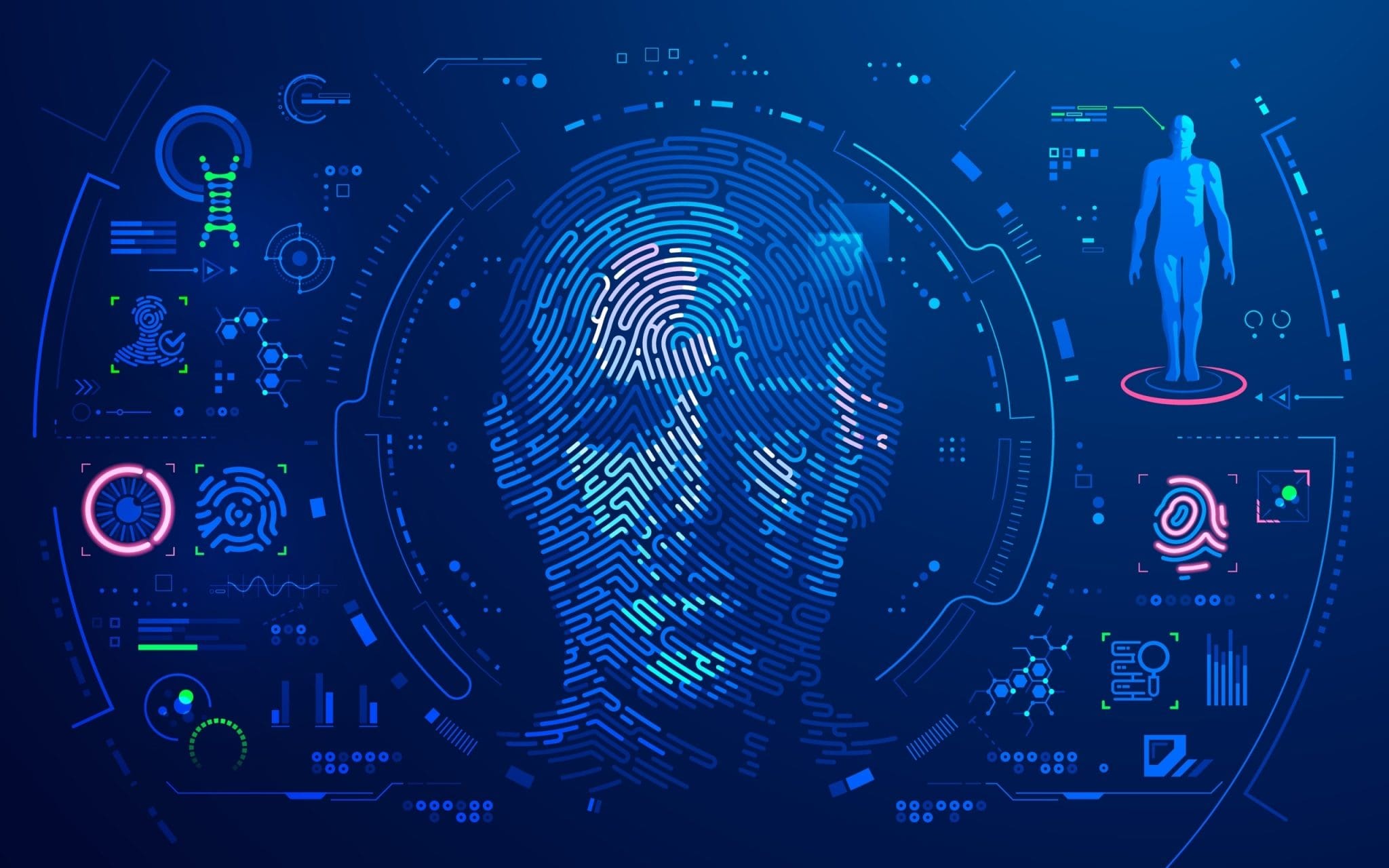
The Evolution of Authentication: From Passwords to Biometrics
For years, passwords have been the primary gateway to the digital realm, safeguarding email accounts, bank logins, and corporate networks against cyber threats. However, the reliance on passwords has exposed vulnerabilities in user behavior, such as password reuse, choosing weak passwords, and falling victim to phishing attacks.
With the rise of sophisticated cyberattacks, the shortcomings of passwords have become apparent, prompting a shift towards biometric authentication. This innovative approach verifies identity using unique biological traits like fingerprints, facial features, or voice patterns, moving away from traditional knowledge-based authentication methods.
The Challenge of Passwords
Passwords gained popularity in the early days of computing due to their simplicity and cost-effectiveness. However, users often prioritize convenience over security, leading to the prevalence of easily guessable passwords and password reuse across multiple platforms.
Phishing attacks further exacerbate the password problem, with cybercriminals tricking users into disclosing their credentials through deceptive emails or websites. Despite the implementation of security measures like two-factor authentication, passwords remain a weak link in cybersecurity.
The Emergence of Biometric Authentication
Biometric authentication offers a more secure and seamless alternative to passwords by leveraging unique biological characteristics for user verification. Common biometric technologies include fingerprint recognition, facial recognition, iris scanning, and voice recognition.
In consumer technology, fingerprints and facial recognition have become widely adopted for unlocking devices, authorizing payments, and accessing applications swiftly and securely.
Biometric systems convert physical traits into digital templates, enhancing security while providing a user-friendly authentication experience. The speed and ease of biometric authentication make it an attractive solution for modern cybersecurity challenges.
Enhancing Security with Biometrics
Biometrics offer a significant cybersecurity advantage by being difficult to steal or replicate remotely. Unlike passwords, biometric data is inherently tied to the individual and is not easily compromised in data breaches.
Modern biometric systems prioritize local storage and hardware security modules within devices, minimizing the risk of sensitive biometric information exposure in large-scale breaches. By eliminating the need for complex passwords, biometric authentication mitigates the risks associated with password management and phishing attacks.
The Shift Towards Passwordless Authentication
Biometric authentication is at the forefront of the passwordless authentication movement, which combines biometrics with cryptographic keys stored on devices for secure authentication. Industry standards developed by the FIDO Alliance support passwordless systems, reducing the effectiveness of phishing attacks by eliminating the reliance on passwords.
Major technology companies have embraced passwordless authentication, offering users a seamless and secure login experience without the need for traditional passwords. This paradigm shift in digital identity management marks a significant advancement in cybersecurity practices.
Biometrics in Banking and Finance
Financial institutions have adopted biometric security measures to enhance protection against fraud in online and mobile banking services. Fingerprint and facial recognition systems are commonly used to authorize transactions, with some banks exploring advanced biometric tools like voice recognition for additional security.
Behavioral biometrics, analyzing user interactions with devices, are also gaining traction in the financial sector to detect and prevent account takeover attempts effectively.
Challenges of Biometric Security
While biometrics offer robust security features, they are not without limitations. Unlike passwords, biometric traits cannot be easily changed if compromised, raising concerns about privacy and security in the event of biometric database breaches.
Biometric systems may also be vulnerable to spoofing attacks, where attackers attempt to deceive the system using artificial biometric data. However, modern biometric systems incorporate liveness detection to verify the authenticity of biometric samples, reducing the risk of spoofing.
The Future of Authentication
Authentication systems are evolving to integrate biometrics with additional security layers like device recognition and behavioral analytics, creating multiple barriers against cyber threats. These advanced authentication methods may eventually operate seamlessly in the background, continuously verifying identity based on biometric and behavioral patterns.
While passwords are unlikely to vanish immediately, the trend towards biometric authentication signifies a gradual transition towards authentication methods based on physical identity rather than memorized secrets. The future of digital security lies in leveraging the unique biological signals individuals possess for secure and convenient authentication.












The 2026 BMW X3: The Solution to SUV Fuel-Bill Woes, with a Twist

Amazon Unveils Lightning-Fast Delivery Options: 1-Hour and 3-Hour Choices Now Available

The Rise of Biometrics: The Password’s Demise

Uncovering the Tactics of LeakNet Ransomware: ClickFix and Deno Runtime Exploits Revealed

The Mermaid’s Enchantment

Introducing the Poco X8 Pro Max: The Ultimate Smartphone Upgrade

Frore: The Silicon Valley Unicorn Rising to $1.64 Billion

Mastering the Art of Validating Your Mobile App Concept

The Future of Apple Design: Embracing Liquid Glass

EU Takes Action Against Instagram and Facebook for Violating Illegal Content Rules

Warning: Facebook Creators Face Monetization Loss for Stealing and Reposting Videos

Facebook Compliance: ICE-tracking Page Removed After US Government Intervention

Facebook’s New Look: A Blend of Instagram’s Style

InstaDub: Meta’s AI Translation Tool for Instagram Videos

Facebook and Instagram to Reduce Personalized Ads for European Users

Reclaim Your Account: Facebook and Instagram Launch New Hub for Account Recovery

Meta discontinues Messenger apps for Windows and macOS

Breaking Updates: Meta Connect 2025 Unveils Latest Developments

The REAL reason you don’t get a charger anymore.

What you didn’t know about Xiaomi.

21 HORRIFIC Tech Fails they want you to forget.

Why does nobody buy LG Smartphones?

Can you ACTUALLY trust Mrwhosetheboss?

A Fascinating Smartphone Gadget – Insta 360 GO 2 😈

ROG Phone 5 Ultimate Unboxing – So Fast it’s Funny.

Oppo Find X3 Pro Review – wait WHAT!?

if smartphone commercials were EXTREMELY honest.
-
 Facebook5 months ago
EU Takes Action Against Instagram and Facebook for Violating Illegal Content Rules
-
 Facebook5 months ago
Warning: Facebook Creators Face Monetization Loss for Stealing and Reposting Videos
-
 Facebook5 months ago
Facebook Compliance: ICE-tracking Page Removed After US Government Intervention
-
 Facebook3 months ago
Facebook’s New Look: A Blend of Instagram’s Style
-
 Facebook5 months ago
InstaDub: Meta’s AI Translation Tool for Instagram Videos
-
 Facebook3 months ago
Facebook and Instagram to Reduce Personalized Ads for European Users
-
 Facebook3 months ago
Reclaim Your Account: Facebook and Instagram Launch New Hub for Account Recovery
-
 Apple5 months ago
Meta discontinues Messenger apps for Windows and macOS
