
AI
Visa’s Advanced Payment Systems for AI-Driven Transactions

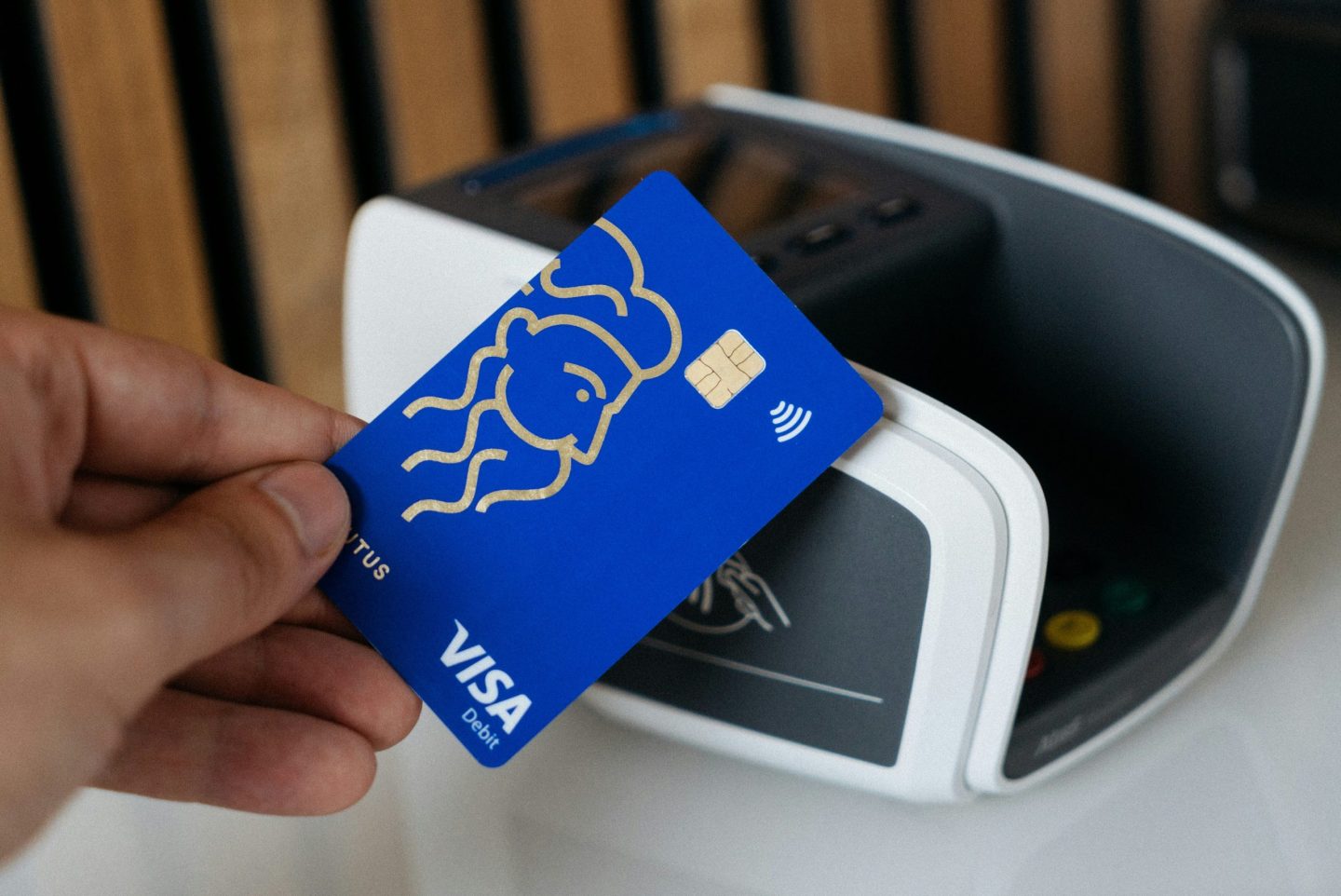
Revolutionizing Payments with AI: Visa’s Groundbreaking Initiative
Traditional payment systems have long relied on a straightforward model: a person makes a purchase, and a bank or card network processes the transaction. However, the landscape is evolving as Visa delves into the realm of AI-driven payments. Recent developments in the banking sector indicate that software agents may soon play a pivotal role in initiating transactions.
Visa is spearheading the “Agentic Ready” program in Europe to explore the implications of AI-initiated transactions on financial systems. Collaborating with major banks like Commerzbank and DZ Bank, Visa aims to prepare existing payment infrastructure for a future where AI agents can autonomously search for products, make decisions, and complete purchases on behalf of users.
According to reports from The Paypers, Visa’s program focuses on enabling secure transactions where AI systems take the lead in initiating payments. Instead of customers manually confirming purchases, AI agents could execute transactions based on predetermined goals or rules.
Redefining Transaction Initiation
Traditional payment systems are built around human identity verification and intent confirmation. With the potential introduction of AI agents initiating transactions, banks will need to devise new methods to validate identity and intent at a system level. This includes establishing protocols for agents to demonstrate authorization on behalf of users and determining the extent of autonomy they should possess.
Visa envisions a scenario where software agents can manage routine or recurring purchases with minimal human intervention, following user-defined guidelines. For instance, a system could monitor inventory levels, compare prices, and execute a transaction when specific conditions are met. This shift, as highlighted by Die Welt and Investing.com, mirrors the transformative phase witnessed during the transition to online payments.
Navigating Control and Compliance
Early trials conducted by banks like Commerzbank and DZ Bank focus on integrating AI agents into existing systems while adhering to stringent compliance regulations. This involves ensuring compliance with fraud prevention measures, maintaining audit trails, and obtaining customer consent. Given the stringent regulatory environment, any alteration in transaction initiation methods must align with oversight standards.
Reports from RepRisk indicate that banks are grappling with increased incidents and costs associated with AI implementation, which could potentially lead to significant financial losses.
Visa’s initiative predominantly centers on enhancing infrastructure rather than consumer-facing tools. The company is actively shaping the behavior of payment networks in scenarios where the “customer” is an AI entity. This entails defining authentication processes for agents, establishing transaction approval mechanisms, and devising protocols for managing disputes in case of errors.
The Role of AI in Enterprise Purchasing
Within large organizations, procurement processes often involve multiple approval stages. AI agents hold the potential to streamline this procedure by handling routine purchases within predefined limits. While this automation can reduce manual workload, it necessitates clear guidelines on the permissible actions for agents to mitigate risks of errors or misuse.
Many institutions are leveraging AI to automate back-office operations and cut costs. Some are restructuring teams to prioritize data and AI strategy. Regulators are closely monitoring the use of AI in decision-making processes, particularly in areas such as credit assessment and fraud detection.
Collectively, these trends point towards a future where AI agents could operate with increased autonomy in payment transactions. While banks will continue to establish rules, monitor activities, and address exceptions, the day-to-day initiation of transactions may require less direct human involvement in certain scenarios.
Visa’s current phase revolves around testing and refining system design. As AI systems assume more responsibilities, financial infrastructure must adapt to cater to a new breed of users capable of making purchases without physical cards.
(Image Credit: CardMapr.nl)
Explore Further: Goldman Sachs Predicts AI’s Impact on Data Centers

Curious about AI and big data insights from industry experts? Discover the latest advancements at the AI & Big Data Expo hosted in Amsterdam, California, and London as part of TechEx. Co-located with other premier technology events, delve into cutting-edge innovations. Click here for event details.
Empowered by TechForge Media, AI News delves into transformative industry developments. Explore upcoming enterprise technology events and webinars here.











Scaling AI Deployment: How NVIDIA Agent Toolkit Empowers Enterprises with Framework for AI Agents

Marvel Marathon: A Complete Guide to Watching Every Movie and TV Show in Order

Apple’s Authority Upheld: Court Rules App Removal Power Unrestricted

Visa’s Advanced Payment Systems for AI-Driven Transactions

Exclusive First Look: Brabus Bodo V12 Coupe Unveiled

The Truth about Xiaomi “Air Charging”

Who’s really to blame for the Post Office crisis?

Exploiting Cisco FMC Zero-Day Vulnerability: Interlock Ransomware Gains Root Access

Reson8 Secures €5 Million Funding to Expand Speech AI Infrastructure Across Europe

EU Takes Action Against Instagram and Facebook for Violating Illegal Content Rules

Warning: Facebook Creators Face Monetization Loss for Stealing and Reposting Videos

Facebook Compliance: ICE-tracking Page Removed After US Government Intervention

Facebook’s New Look: A Blend of Instagram’s Style

InstaDub: Meta’s AI Translation Tool for Instagram Videos

Facebook and Instagram to Reduce Personalized Ads for European Users

Reclaim Your Account: Facebook and Instagram Launch New Hub for Account Recovery

Meta discontinues Messenger apps for Windows and macOS

Breaking Updates: Meta Connect 2025 Unveils Latest Developments
The Truth about Xiaomi “Air Charging”

DON’T buy this Smartphone.

Galaxy S21 Ultra – Exynos vs Snapdragon.

I bought the strangest smartphones ever.

The REAL reason you don’t get a charger anymore.

What you didn’t know about Xiaomi.

21 HORRIFIC Tech Fails they want you to forget.

Why does nobody buy LG Smartphones?

Can you ACTUALLY trust Mrwhosetheboss?
-
 Facebook5 months ago
EU Takes Action Against Instagram and Facebook for Violating Illegal Content Rules
-
 Facebook5 months ago
Warning: Facebook Creators Face Monetization Loss for Stealing and Reposting Videos
-
 Facebook5 months ago
Facebook Compliance: ICE-tracking Page Removed After US Government Intervention
-
 Facebook3 months ago
Facebook’s New Look: A Blend of Instagram’s Style
-
 Facebook5 months ago
InstaDub: Meta’s AI Translation Tool for Instagram Videos
-
 Facebook3 months ago
Facebook and Instagram to Reduce Personalized Ads for European Users
-
 Facebook3 months ago
Reclaim Your Account: Facebook and Instagram Launch New Hub for Account Recovery
-
 Apple5 months ago
Meta discontinues Messenger apps for Windows and macOS
