
Cars
Deputy PM: Fuel Rationing Not Currently Considered for Australia

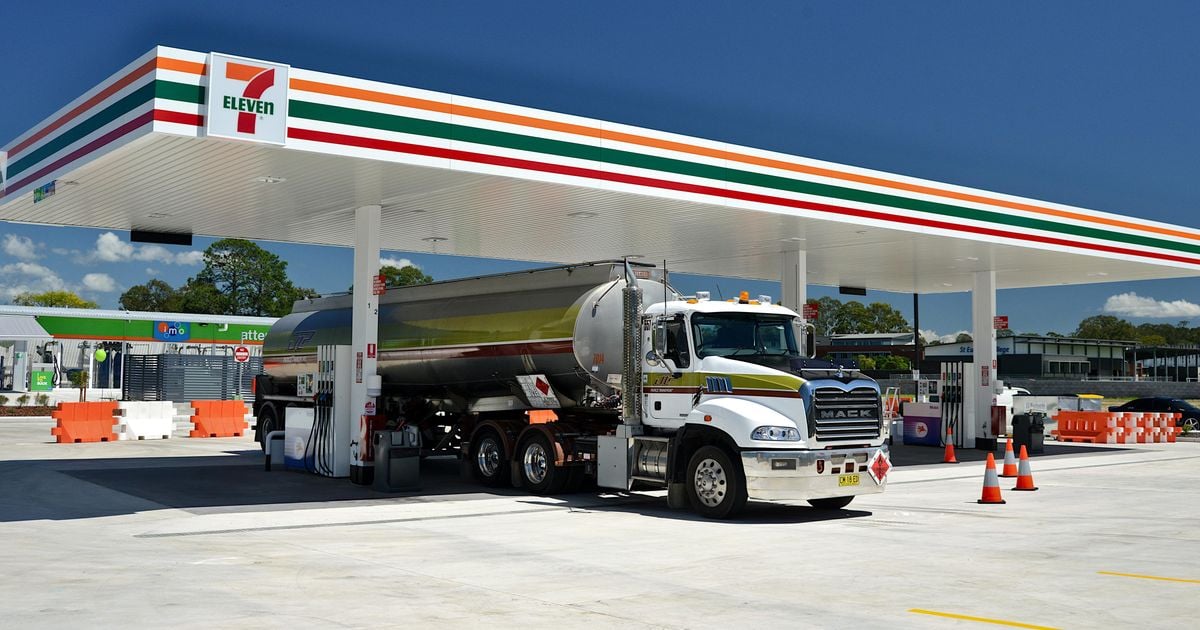
The Deputy Prime Minister Reassures Australians Amidst Middle East Conflict and Rising Fuel Prices
Australia’s Deputy Prime Minister has taken to the airwaves today to provide assurance to the nation regarding the stability of petrol and diesel supply in the country. Despite ongoing tensions in the Middle East and escalating fuel costs, Richard Marles, also the Defence Minister, emphasized that the current fuel supply remains constant.
In an interview with Sky News First Edition, Marles stated, “As we speak, it is actually the same amount of fuel that is coming into the country that has come in.”
However, he acknowledged the potential impact of prolonged conflict on fuel supply and announced the release of 20% of the national fuel stockpile, amounting to 760 million liters, with a focus on areas facing the highest demand.
Government Initiatives to Ensure Fuel Supply
In response to concerns, the government has allowed for higher sulfur levels in fuel for the next 60 days, enabling an additional 100 million liters per month to enter the domestic supply. This move, announced by Minister for Climate Change and Energy, Chris Bowen, aims to address potential shortages and support regions in need.
Ampol Australia has committed to prioritizing this additional supply for areas experiencing shortages, ensuring a steady flow to petrol stations across the country.
Continued Monitoring and Precautions
Despite these measures, questions about potential fuel rationing were dismissed by Marles, who emphasized the government’s efforts to manage the situation effectively. As of March 14, 2026, Australia reportedly has 29 days’ worth of petrol supply and 26 days of diesel.
Addressing concerns about the impact of the Middle East conflict on global supply chains, Marles reiterated the government’s commitment to navigating the situation responsibly. While uncertainties loom, he assured that current fuel inflow remains unaffected.
Collaboration and Future Steps
In response to queries about potential military intervention for fuel distribution, Marles underscored the role of fuel companies in ensuring supply continuity. With only two oil refineries in the country and significant oil imports, Australia remains susceptible to international market fluctuations.
Government Stance on Fuel Prices
While the government is actively working to secure fuel supply, recent decisions indicate no intention to reduce fuel excise despite price hikes. This commitment comes amidst rising concerns about fuel affordability and stockpiling by consumers.
Conclusion
As Australia navigates the complexities of global fuel dynamics, government officials urge citizens to maintain normal routines. While challenges persist, proactive measures and strategic partnerships aim to safeguard the nation’s fuel security in the face of evolving geopolitical landscapes.
Can you please change the following













Capcom Takes a Stand Against Microtransactions in Monster Hunter Wilds: Ascendance

Uncovering the Hidden Quirks of iPhone Duo Design: A Tech Advisor’s Perspective

Xiaomi Redmi Note 17 5G Slashes Prices on Amazon – Tech Bargain Alert!

The Rise of Garden Rooms: Ireland’s Newest Home Craze

Lidl’s Autonomous Delivery Fleet: Revolutionizing Logistics in Germany

Streamlining Data Transfer: iOS 27.2 Facilitates Seamless App Upgrades

10 Android Mods that Change Everything

Electric Showdown: BMW i4 eDrive40 vs. 1M Performance

Russian Enterprises Under Siege: Backdoors, Ransomware, and Wipers Pose Major Threats

EU Takes Action Against Instagram and Facebook for Violating Illegal Content Rules

Warning: Facebook Creators Face Monetization Loss for Stealing and Reposting Videos

Facebook Compliance: ICE-tracking Page Removed After US Government Intervention

Facebook’s New Look: A Blend of Instagram’s Style

Facebook and Instagram to Reduce Personalized Ads for European Users

InstaDub: Meta’s AI Translation Tool for Instagram Videos

Reclaim Your Account: Facebook and Instagram Launch New Hub for Account Recovery

Meta discontinues Messenger apps for Windows and macOS

Breaking Updates: Meta Connect 2025 Unveils Latest Developments
10 Android Mods that Change Everything

I used the first Android Phone in the World.

DOOGEE MIX 4 UNBOXING (PROTOTYPE)!

MYSTERY UNBOXING FROM SAMSUNG!

The Truth about Huawei P20 Pro – REAL Review

How to Love your Android Phone again.

The LG G7 has a Big Problem.

The most Beautiful Android Games you’ve never played.

Charge your Smartphone in 5 Minutes – How Batteries are about to Change!
-
 Facebook11 months ago
EU Takes Action Against Instagram and Facebook for Violating Illegal Content Rules
-
 Facebook11 months ago
Warning: Facebook Creators Face Monetization Loss for Stealing and Reposting Videos
-
 Facebook11 months ago
Facebook Compliance: ICE-tracking Page Removed After US Government Intervention
-
 Facebook9 months ago
Facebook’s New Look: A Blend of Instagram’s Style
-
 Facebook9 months ago
Facebook and Instagram to Reduce Personalized Ads for European Users
-
 Facebook11 months ago
InstaDub: Meta’s AI Translation Tool for Instagram Videos
-
 Facebook10 months ago
Reclaim Your Account: Facebook and Instagram Launch New Hub for Account Recovery
-
 Apple11 months ago
Meta discontinues Messenger apps for Windows and macOS
