
Inovation
Time Traveler’s Odyssey: Exploring History Through Video Games

Exploring History Through Video Games: A New Approach by Museums
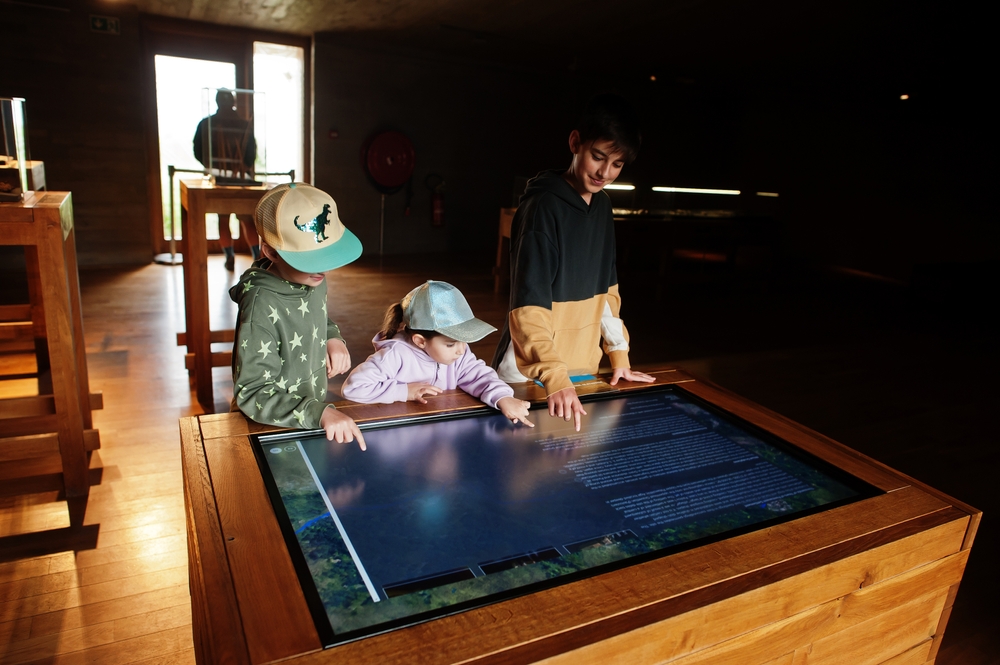
From the ravages of war zones to the harsh realities of coal mines and prison camps, museums are utilizing a new medium to bring history to life like never before. The emergence of a new generation of video games is enabling museums to extend their reach far beyond their physical walls, captivating audiences with immersive storytelling.
Delve into the unique perspective of children affected by war through the narrative adventure game, We Grew Up in War. Developed in collaboration between Prague-based studio Charles Games and the War Childhood Museum in Sarajevo, this game intricately weaves together real testimonies from children who experienced conflict firsthand.
The War Childhood Museum, established in the aftermath of Bosnia’s devastating 1992–95 war, is curating one of the world’s largest collections of wartime childhood stories. As a member of Sites of Conscience, a global network dedicated to addressing challenging histories, the museum aims to foster dialogue and understanding through its exhibits and now, through innovative video games.
We Grew Up in War transcends traditional gaming conventions by focusing on the human experiences of children in conflict zones, particularly in Bosnia and Ukraine. By utilizing immersive wartime sketches, the game immerses players in the emotional journeys of these young survivors, fostering empathy and raising awareness.
This groundbreaking initiative is part of the EU-funded MEMENTOES project, where museums, historians, and game developers collaborate to leverage video games as a powerful tool for storytelling. Through virtual reality and other immersive technologies, these games make complex and painful historical narratives tangible to a broader audience.
According to Jasminko Halilović, the founder of the Sarajevo museum, We Grew Up in War goes beyond portraying survivors as mere victims. It encapsulates the essence of family life, friendships, education, dreams, and hopes amidst the backdrop of war, offering a holistic view of wartime experiences.
A New Era of Historical Interpretation
Museums have faced the challenge of communicating intricate and often traumatic histories to their visitors. Through the MEMENTOES collaboration, researchers from various European countries explored the potential of video games in engaging a wider and younger audience with historical narratives.
Among the diverse range of games developed by the MEMENTOES team, We Grew Up in War stands out as an immersive and educative experience that bridges the gap between history and interactive entertainment.
Nikolaos Dimitriou, the project coordinator, initially skeptical, acknowledges the transformative power of interactive storytelling in video games. He highlights the unique ability of these games to deliver historical lessons in an engaging and captivating manner.
Immersive Historical Experiences
Besides We Grew Up in War, the MEMENTOES project also gave rise to other notable games such as Those From Below and Gulag Diaries. Each game offers a distinct experience, transporting players to historical events like the 1956 mining disaster in Marcinelle, Belgium, and the Soviet-era forced labour camps in Siberia.
Those From Below utilizes virtual reality to recreate the harrowing conditions faced by miners in Marcinelle, immersing players in the stark realities of the coal mines. On the other hand, Gulag Diaries delves into the dark history of Siberian labour camps, offering players a glimpse into the lives of the prisoners.
Stavroula Ntoa, who led the scientific aspect of Gulag Diaries, emphasizes the profound impact of discovering personal stories through the objects left behind by the prisoners. This unique approach allows players to understand the human experiences within these historical contexts.
Navigating Sensitive Historical Narratives
Using video games to explore sensitive historical subjects presents its own set of challenges. The interactive nature of games raises questions about tone, accuracy, and respect in depicting historical events.
Halilović stresses the importance of showcasing the complexity of wartime experiences without sensationalizing or trivializing them. Ntoa echoes this sentiment, emphasizing the need to engage players in a valuable learning experience rather than merely entertaining them.
Collaboration between developers, historians, and the individuals whose stories inspired the games is crucial in ensuring that the narratives are presented authentically and respectfully.
Empathy Through Gaming
Video games offer a unique avenue for museums to engage audiences and shed light on historical injustices. By immersing players in these narratives, games have the potential to build empathy and understanding towards the human impact of conflicts.
Halilović hopes that by experiencing the layered consequences of war through games like We Grew Up in War, players will gain a deeper appreciation for the importance of peace. Early findings suggest that such experiences can influence attitudes and foster empathy, particularly among younger audiences.
Extending Historical Narratives
While the MEMENTOES research project concluded in 2025, the impact of these games continues to resonate. We Grew Up in War is slated for wider release, including educational editions and commercial versions, reaching a broader audience beyond museum visitors.
Halilović recognizes the transformative potential of these games in making museum collections accessible to a global audience. As museums embrace digital tools to connect with diverse audiences, video games are emerging as a powerful medium to extend historical narratives beyond physical boundaries.
By leveraging immersive technologies and rich digital archives, museums can now engage with players in their homes and classrooms, transcending geographical constraints and opening new avenues for cultural education.
This article was originally published in Horizon, the EU Research and Innovation Magazine.











Lando Norris’ Stunning Ferrari F40 Spotted in London

“Emberwing: Rise of the Dragonlord” – Unleash the Power in the Alpha Demo!

The Evolution of B2C Insurance: Adapting to Consumer Expectations

iPhone Duo Delay Sparks Surge in Galaxy Z Fold 8 Sales

10 Android Apps you NEED to try in 2018

BMW i3 Reigns Supreme While Audi A4 e-tron Faces Delay Until 2029

Legal Battle: Denuvo Takes on Anonymous Cracker for Breaching DRM on 26 Video Games

The Future of Innovation: A Physical AI Startup Raises $100M to Build the Next Generation of Startups

Boost Your iPhone Speed with These 30+ iOS 27 Tips and Tricks

EU Takes Action Against Instagram and Facebook for Violating Illegal Content Rules

Warning: Facebook Creators Face Monetization Loss for Stealing and Reposting Videos

Facebook’s New Look: A Blend of Instagram’s Style

Facebook Compliance: ICE-tracking Page Removed After US Government Intervention

Facebook and Instagram to Reduce Personalized Ads for European Users

InstaDub: Meta’s AI Translation Tool for Instagram Videos

Reclaim Your Account: Facebook and Instagram Launch New Hub for Account Recovery

Meta discontinues Messenger apps for Windows and macOS

Breaking Updates: Meta Connect 2025 Unveils Latest Developments
10 Android Apps you NEED to try in 2018

They could not believe how cheap this Phone is

A $50,000 Smartphone for $400?

Huawei P20 Pro Unboxing!

Huawei P20 Pro vs Samsung S9 Plus!

Huawei P20 vs P20 Pro vs iPhone 8 Plus vs S9 Battery Drain Test!

10 Android Mods that Change Everything

I used the first Android Phone in the World.

DOOGEE MIX 4 UNBOXING (PROTOTYPE)!
-
 Facebook11 months ago
EU Takes Action Against Instagram and Facebook for Violating Illegal Content Rules
-
 Facebook11 months ago
Warning: Facebook Creators Face Monetization Loss for Stealing and Reposting Videos
-
 Facebook9 months ago
Facebook’s New Look: A Blend of Instagram’s Style
-
 Facebook11 months ago
Facebook Compliance: ICE-tracking Page Removed After US Government Intervention
-
 Facebook10 months ago
Facebook and Instagram to Reduce Personalized Ads for European Users
-
 Facebook11 months ago
InstaDub: Meta’s AI Translation Tool for Instagram Videos
-
 Facebook10 months ago
Reclaim Your Account: Facebook and Instagram Launch New Hub for Account Recovery
-
 Apple11 months ago
Meta discontinues Messenger apps for Windows and macOS
