
Gadgets
Legal Battle: Google Pixel User Sues Over Controversial Feature

The United States authorities have levied accusations against Tunick for tampering with evidence, as reported by The Guardian. Allegedly, border officials were searching his device for potential evidence of child pornography. Despite their efforts to unlock and search the device, Tunick successfully prevented them from doing so.
In actuality, it is believed that the authorities targeted Tunick because he was on a terrorism watchlist. This designation reportedly stemmed from Tunick’s association with a protest movement that opposed a police training center in Atlanta. However, Tunick’s legal representatives claim that the officers did not possess a search warrant.
How did Tunick delete the data?
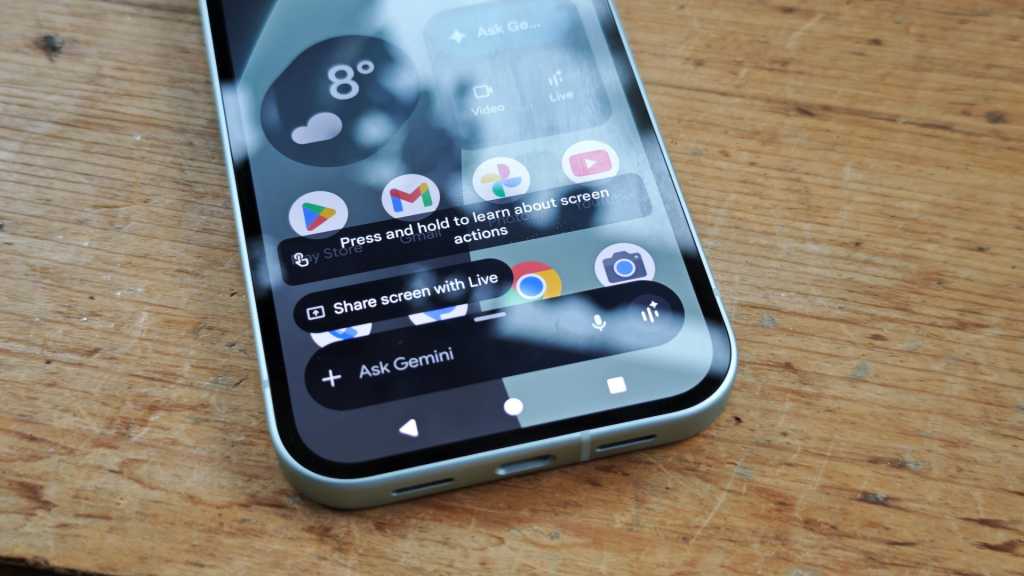
Tunick employed an alternative operating system called GrapheneOS on his Google Pixel smartphone, known for its advanced security features. One of these features is the ‘Duress PIN’, an emergency PIN that, when entered, does not unlock the device but instead erases all data stored on it.
Chris Martin / Foundy
After being repeatedly asked for his smartphone PIN by the authorities and denied the opportunity to consult with a lawyer, Tunick decided to trigger the ‘Duress PIN’ function. Fearing that his device would be confiscated, he entered the emergency PIN, causing the screen to go black, flash several times, and ultimately restart, wiping out all personal data.
Currently exclusive to Google Pixel smartphones, GrapheneOS is expected to expand to other manufacturers in the future. Spanish law enforcement had previously targeted users of Google Pixel devices, particularly in Catalonia, due to drug dealers exploiting the ‘Duress PIN’ feature to evade investigations.
However, casting suspicion on all Pixel smartphone owners based on this functionality seems excessive. Experts argue against labeling GrapheneOS as inherently ‘criminal’, emphasizing the right of individuals to safeguard their private data from unwarranted searches.












European Processor Initiative: Project Completion

Shift into Overdrive: The American Carrera GT Unleashed

The Impact of AI Spending and Cloud Margins on Stock Performance: Analyzing the Reasons Behind the Continuous Decline

STALKER 2: The Price of Hope – Unleashing on August 20th

Legal Battle: Google Pixel User Sues Over Controversial Feature

Insights from 14 Years in Venture Capital: A Comprehensive Guide to Success in the Industry

Samsung Galaxy 2027: Navigating the Potential Headaches

The Samsung Galaxy S10 looks…Interesting…

Breaking Records: China’s BMW iX3 Sets New Standard with 571 Miles of Range

EU Takes Action Against Instagram and Facebook for Violating Illegal Content Rules

Warning: Facebook Creators Face Monetization Loss for Stealing and Reposting Videos

Facebook’s New Look: A Blend of Instagram’s Style

Facebook Compliance: ICE-tracking Page Removed After US Government Intervention

Facebook and Instagram to Reduce Personalized Ads for European Users

InstaDub: Meta’s AI Translation Tool for Instagram Videos

Reclaim Your Account: Facebook and Instagram Launch New Hub for Account Recovery

Meta discontinues Messenger apps for Windows and macOS

Breaking Updates: Meta Connect 2025 Unveils Latest Developments
The Samsung Galaxy S10 looks…Interesting…

Customise your Android Smartphone – 2018 Edition.

Top 5 Upcoming Smartphones in 2018 / 2019

a mystery smartphone just arrived.

My channel might be about to end

50 Smartphone Gadgets you might have NEVER seen.

World’s first Next-Gen Snapdragon 855 Smartphone.

Customise your Android Smartphone – ULTIMATE Edition.

My LOVE / HATE Relationship with Huawei Mate 20 Pro.
-
 Facebook9 months ago
EU Takes Action Against Instagram and Facebook for Violating Illegal Content Rules
-
 Facebook10 months ago
Warning: Facebook Creators Face Monetization Loss for Stealing and Reposting Videos
-
 Facebook8 months ago
Facebook’s New Look: A Blend of Instagram’s Style
-
 Facebook10 months ago
Facebook Compliance: ICE-tracking Page Removed After US Government Intervention
-
 Facebook8 months ago
Facebook and Instagram to Reduce Personalized Ads for European Users
-
 Facebook10 months ago
InstaDub: Meta’s AI Translation Tool for Instagram Videos
-
 Facebook8 months ago
Reclaim Your Account: Facebook and Instagram Launch New Hub for Account Recovery
-
 Apple9 months ago
Meta discontinues Messenger apps for Windows and macOS
