
The Power of Billionaires and News Influencers: A Deep Dive into ‘Anti-Scale’ Media

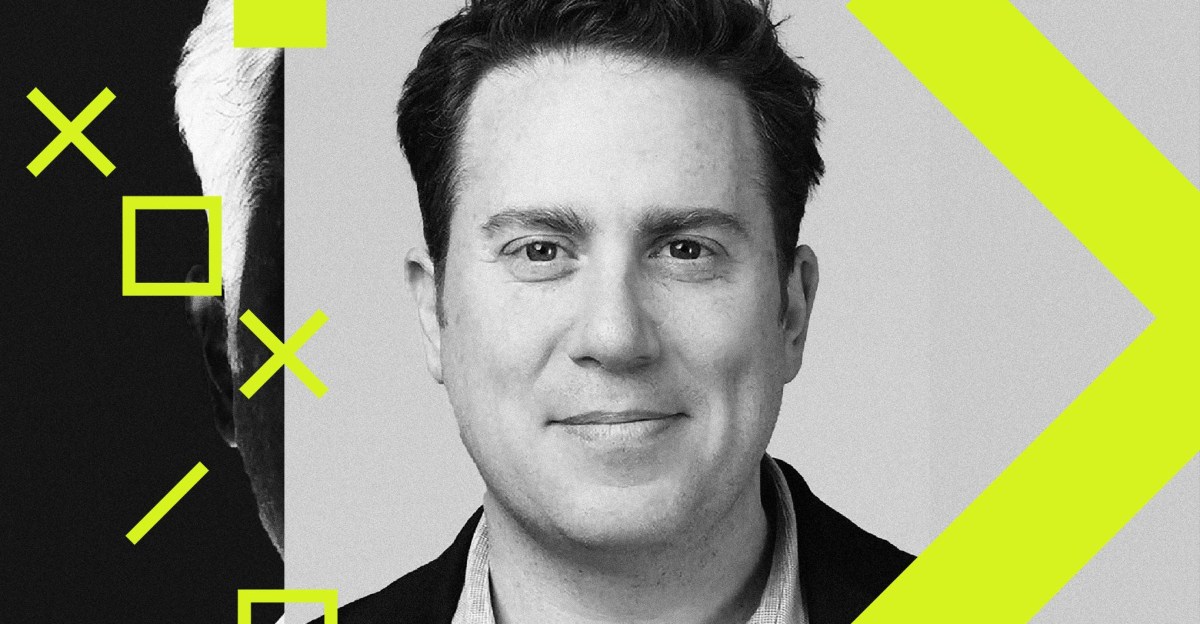
Today I’m talking to Ben Smith, the editor-in-chief of Semafor.
Everywhere you go, people say they don’t trust the media — and yet they’ve never consumed more of it. Audiences have moved on from legacy names in favor of Substacks and podcasts and TikTok news influencers that seem to be everywhere in our feeds.
Why would anyone want to start a new global news organization in the middle of all that, when even once-storied brands like CBS News can’t seem to figure it out?
Well, that’s what Ben did four years ago. He’s the guy who ran BuzzFeed News at the height of the Facebook traffic boom, and even wrote a book about it, called Traffic, which he discussed with me on Decoder back in 2023.
Verge subscribers, don’t forget you get exclusive access to ad-free Decoder wherever you get your podcasts. Head here. Not a subscriber? You can sign up here.
Around that same time, he cofounded Semafor, which launched in 2022 with a stated goal of reaching 200 million college-educated readers.
You’re going to hear Ben say that since then, Semafor has evolved into what he calls an anti-scale company. It still doesn’t have a website paywall, but it makes about half its money in the convening business — that’s what media types have taken to calling events lately.
And Semafor throws some big events. It actually has a new one called Silicon Valley & The World, which will feature some of the biggest names in tech and AI. That’s part of the events business: hosting the subjects you cover on your big event stage.
So I wanted to know how that all works, and what it feels like to navigate the ethical conflicts that seem to be everywhere in media right now. In particular, I wanted to dig into how Semafor’s newsroom is approaching AI, the ethics and optics of putting people you cover on your conference advisory boards, and whether independence is still something an audience is willing to pay for.
Ben and I usually hash this stuff out over beers, and I think you can tell we really enjoy getting into all this together.
Okay: Semafor editor-in-chief Ben Smith. Here we go.
This transcript has been lightly edited for length and clarity.
Ben Smith, you’re the co-founder and editor in chief of Semafor. Welcome back to Decoder.
It is really nice to be back.
I’m excited to talk to you. You were on the show three years ago, just as Semafor was launching. It was right as Buzzfeed News, which you founded and ran for a long time, was shutting down.
I keep talking to media CEOs about what is going to happen. It feels like you have figured something out at Semafor. How are things going over there?
Things are going incredibly well, and knock on wood as I say that, but I think we figured something out. There are a lot of different things to figure out, and we’re in this unbelievably strange and unstable moment in media.
But I do think we’ve figured out a model that is quality journalism built around great journalists, paired with really large scale convening that is building both great journalism and a really good business, a profitable business — which is something that is, to me as a former BuzzFeed executive, novel.
A profitable digital media business is in short supply these days. It’s funny, I was looking over our conversation from three years ago. You had just published your book Traffic, which was basically about what I would call the millennial digital media moment and everyone chasing massive scale.
“The platforms are going to deliver tons of traffic to us and then we’ll collect pennies and we’ll all get rich.” This was a pretty common thesis. It feels like you’re saying you’ve turned away from that. You’ve learned the lesson of that time.
Our chief revenue officer, Rachel Oppenheim, likes to joke that my next book will be called No Traffic, but we are really building an anti-scale business. The luxury of starting in that moment, in the rubble of the traffic apocalypse, was obviously not the path to success.
We had to think a lot about targeting and building a very specific audience. The thing that I have kind of come to realize in all these conversations… I listen to your show. We have a show about media that we yap about this on. What’s the future of media? Is it live? We were just talking about it. Who knows?
But in journalism, I have a lot of conviction that great stories aren’t going anywhere.
I always emphasize the importance of distribution over just the surface. The way content is distributed shapes what is created, and it’s crucial to consider how to reach different audiences across various media platforms. While the temptation to go viral by being polarizing exists, it’s essential to resist that urge and focus on delivering high-quality insights to a diverse audience. Jonah Peretti’s experience with BuzzFeed and Facebook highlights the ever-changing landscape of digital media distribution and the need to adapt and evolve to stay relevant. If Mark Zuckerberg had continued to fund BuzzFeed, they could have had more charisma and success. It’s clear that different choices could have been made to make the Facebook blue app more successful. Netflix pays a lot for content but doesn’t invest in news. YouTube has allowed individuals to build successful businesses, but has created a system where media companies struggle to survive. The tension between making advertising for the companies covered and monetizing platforms at scale remains unresolved. The traditional advertising business relies on reaching valued audiences, while Google, Meta, and TikTok dominate scaled advertising. Building a successful advertising and convening business is one solution. The relationship between convening events and covering them is intriguing and complex. You had to go weeks without insulting me to get me to come here.
[Laughs] Or did I have to nag you every single day until you showed up?
Tell me about the revenue split between journalism and events. Are you making more money from journalism or events?
Is there a preference for one over the other, or are you trying to grow both equally?
We’re a startup. We’re opportunistic. The events business grew faster, led by my partner, Justin Smith, who has experience in building such businesses. We initially focused on events as it was quicker to make profitable compared to digital advertising, which requires building a digital audience. The events business has exceeded our expectations, to the point where we are now competing with Davos sooner than anticipated.
When we launched, we initially planned to transition to subscriptions and build an elite audience. We also considered focusing on newsletters instead of a website.
In my experience, being ideological about revenue streams is not practical. Both advertising and subscriptions have their advantages and challenges. We aim to build a successful media company without limiting ourselves to one revenue model.
Our long-term goal is to build a global company over decades, and subscriptions may limit our growth in some ways. However, if subscriptions make sense in the future, we are open to exploring that option.
We were ambitious from the start, aiming to cover under-reported regions like Africa and the Gulf to provide unique information and build a loyal audience. This strategy has proven successful, with our presence in Africa and plans to expand to Europe and Asia. Our approach is not about a hub-and-spoke model but building a network of diverse reporting locations. We are working on building a network of audiences in various locations. Is this causing you to allocate resources differently? If the audience in Africa is growing faster than in the United States, will you invest more resources there?
Yes, we are closely monitoring what is effective. The US is the largest media market globally, with more than half of all media revenue coming from there. Despite this, we believe that investing in other markets is a valuable long-term strategy.
In the past, we have experienced challenges with resourcing operations in different countries with lower advertising revenues. However, we have seen strong audience engagement in various international markets. We have learned to be cautious in managing costs and generating local revenue to support growth.
Our approach now involves building global networks through events like gatherings in Silicon Valley and Washington, which have been beneficial. We have also implemented the Semaform, a method of separating factual reporting from journalist analysis to provide a more engaging and balanced perspective for our audience. This also shows a bit of humility. In the past, we would simply call this blogging. I used to jot down my thoughts constantly, which was likely influenced by blogging. It’s almost embarrassing to admit that we used to have blogs, as we are all old bloggers now. I still stick to the core of expressing my thoughts, just like reporters do. Someday, people will be explaining that they used to have podcasts. It’s possible that in the future, our VR avatars will be conversing with each other. It’s amusing to think about how things evolve over time.
The format of our content has been well-received by our audience. We aim to be humble yet assertive about our opinions, while remaining open to disagreement and being clear about the distinction between facts and analysis. This approach is ingrained in our DNA and is reflected in everything we do, including our events.
As for the structure of our team at Semafor, we have about 60 journalists and over 100 employees. Our team consists of both journalists and a commercial team, including revenue and events production. We handle everything internally, which can be a challenge in the news industry due to the lack of talent on the business side. However, we have been successful in recruiting top-notch commercial operators and revenue-focused individuals. This has allowed us to excel on the business side and focus on producing quality content.
In terms of decision-making, I tend to make decisions quickly and in large volumes. However, I value the input of those around me and am willing to reverse decisions if needed. I prioritize hiring excellent journalists and trust the expertise of my team members. I prefer to be surrounded by people who are experts in their respective fields and am open to different perspectives.
This new approach to decision-making reflects the dynamic nature of our business as we continue to grow and expand into various areas. Ethics play a significant role in our operations, and we strive to maintain a high standard of integrity in our work. While journalism ethics can be challenging, it is essential for our credibility and reputation. That’s just the way it is. In journalism, it’s essential to ask the hard questions, even if they may seem uncomfortable. Senior leaders are prepared to engage with these challenging queries, as it’s part of their job. Avoiding tough questions is not productive, as CEOs and political leaders are eager to address them. It’s crucial to approach these individuals as important decision-makers in the midst of significant stories. Maintaining respect and independence in journalism is key, rather than demonizing or conspiring against the subjects being covered. It’s important to challenge executives on their values, not just their business decisions, as this can lead to valuable conversations and insights. Embracing the media as a sales channel is a strategy employed by successful business figures, who understand the importance of engaging with journalists and the public. The legacy media is in decline, and new outlets are emerging, but at their core, they are entertainers without a deep theoretical understanding of media that drives them to enact change.
Elon Musk stands out as an exception to this trend, with the rest of the new generation of business leaders having a more conventional relationship with the media.
The rise of news creators and influencers is an intriguing development. They operate independently from traditional media structures and are not influenced by gifts or access. They struggle with the idea of compromising their integrity for a larger audience.
Courage in upholding journalistic principles and delivering truthful, independent content is essential in competing with these influencers. It’s clear that audiences appreciate hard-hitting questions and genuine reporting.
Access can be a double-edged sword. Influencers who prioritize conflict and sensationalism may lose credibility with their audience. Journalism is not just a skill learned in school; it’s a service to the audience that anyone can provide with the right approach.
The dynamic at the Pentagon, where video-first journalists were rewarded for creating conflict, highlights the performative nature of modern media. The clip economy drives content creation, sometimes at the expense of journalistic integrity.
The audience, algorithms, and personal motivations all play a role in shaping media content. It can be challenging to differentiate between genuine journalistic pursuits and sensationalism in today’s media landscape. Do you not prioritize scale when managing video content?
No, we actually put a lot of thought into it. Instead of chasing a large audience, we focus on having high-quality conversations with leaders in media and business on shows like Compound Interest and CEO Signal. We believe there is a significant, albeit not the largest, audience for sophisticated discussions.
In terms of monetization, we strive to reach a premium audience. We work with direct-sold advertisers on integrated campaigns and utilize host-read ads to generate revenue.
The changing landscape of media has led to the integration of advertising into content, with platforms like Google and Meta reshaping the economics of the web. This shift has made it challenging for creators to earn money without engaging in advertising. However, we aim to create advertising that is effective and beneficial for both our audience and advertisers.
Our goal is to build a successful business by appealing to a valuable audience, rather than focusing solely on scale. That’s not the only way to build a media company, but it’s the focus of our company. It’s working well for us, allowing us to hire great journalists and break stories. We are transparent about any potential biases, ensuring our audience understands our perspective. We disclose any conflicts of interest, believing our elite audience can discern the biases present. We strive to maintain journalistic integrity, despite the prevalence of undisclosed advertising in other media platforms. Our goal is to provide real, unbiased information to combat the widespread belief that everything is corrupt. Transparency is key in our approach, even when swimming against the cultural tide of skepticism. Our events are marketed as opportunities for real, in-depth discussions, similar to how you don’t accept freebies in gadget reviews. Lean into the fact that people like journalism and don’t want to be lied to. The current social media landscape is filled with fake content, but there is a growing discontent with influencer marketing and undisclosed political advertising. The younger generation, raised on social media, might not fully grasp the importance of ethical journalism. However, there is hope that regulations will be put in place to address these issues. In politics, the line between communication and policy has blurred, with tweets shaping reality more than actual policy decisions. The current administration is reactive to media and social media, often lacking rigor in their policies. In this environment, tweeting something into reality has become a common practice. Elon Musk was known for making policy decisions based on tweets he saw. However, the current sentiment is that people are growing tired of political influence operations, and there may be regulations implemented to address the issue. The current federal government is facing challenges in executing tasks effectively, leading to a decrease in productivity at the White House.
There is anticipation for a reckoning where the truth is sought after, as trust in tech companies wanes. The role of journalism is questioned in amplifying populist reactions, as social media easily validates such sentiments. The upcoming midterms may see a shift in alignment due to issues surrounding surveillance and data centers.
The regulation of AI technology is a pressing issue, with the federal government taking a more active role in shaping technological policies. The idea of running as a populist while investing in AI companies raises questions about the redistributive nature of such moves.
Overall, the landscape of politics and technology is evolving, with significant structural shifts that will impact future policies and decision-making processes. The Kushner family is heavily involved in that.
When you have that money in your organization and those individuals on your various boards at events, and journalists on the ground in those locations, how do you reconcile it with the ideals of independence?
We extensively cover Saudi Arabia and the United Arab Emirates with a robust approach. We have hired top reporters from Bloomberg and The Wall Street Journal in the region. Despite having no investment funds from the Gulf and many sovereigns, we maintain independent coverage. While there are executives from that region on advisory boards, our reporting remains impartial, similar to other reputable news outlets like the Financial Times and The New York Times. Operating in regions like the Middle East and China comes with challenges due to strict local laws.
Our coverage delves into unique stories, such as the Emirates’ restrictions on photojournalists distributing images. This underscores the complexities and risks faced by reporters in these regions, necessitating caution and adherence to journalistic standards.
Regarding the Trump administration’s treatment of journalists, the situation in the United States, while flawed, is far from the suppression of free speech seen in autocratic regimes. The personalist rule and familial connections prevalent in some business dealings mirror practices in other parts of the world, including the Trump administration.
The utilization of AI in newsrooms is a topic of ongoing debate. While AI tools can enhance efficiency and productivity, ethical considerations must be paramount. Implementing AI in news production requires a balance between technological advancements and journalistic integrity. I am quite optimistic about AI, but I believe that the essence of reporting lies in uncovering new information that is not readily available on the internet and then sharing it with others. The process in between, which involves production, is susceptible to AI. However, I think the core aspects of reporting are quite secure.
The conversation we just had is similar to the discussions we often have over beers. It’s a good argument, and I will eventually come around to it.
Regarding the AI tool for podcasts that allows you to fix mistakes without re-recording in the studio, I think it’s acceptable as long as it is not deceiving the listeners. Editing for minor errors is fine, but creating a false narrative is crossing the line.
Ultimately, the key factor is whether someone is being misled. If the guest is being deceived, then it is definitely unethical. Television practices of reshooting questions are common, but in today’s climate of transparency, full transcripts are often required.
Thank you for the engaging conversation. It was a pleasure to be on the show, and I appreciate the opportunity. Feel free to reach out to us at decoder@theverge.com with any questions or comments. We make it a point to carefully go through each and every email that comes our way!
Subscribe to “Decoder with Nilay Patel,” a podcast by The Verge that delves into big ideas and various challenges.
If you enjoy this content, consider following topics and authors related to this story to receive updates and see similar content on your personalized homepage feed. You can opt to follow authors like Nilay Patel and categories like Business, Decoder, Facebook, Meta, Podcasts, Social Media, and Tech. This way, you’ll stay informed and engaged with the latest discussions and insights in these areas. Subscribe now to stay in the loop! Transform the following:
Original: The dog ran quickly to catch the frisbee.
Transformed: Quickly, the dog ran to catch the frisbee. Transform the following:
From: “I am going to the store to buy some groceries.”
To: “I will be heading to the store to purchase groceries.” Transform the following:
Original: “I can’t believe he said that to me.”
Transformed: “I am in disbelief over what he said to me.” Transform the following sentence into a question:
“He is going to the store.”
Is he going to the store? “Can you please help me with this task?”
to
“Could you lend me a hand with this task?” Please change the following












Beware: The Secret iOS 27 Setting That’s Sapping Your Battery Life

Concept Smartphones that are better than Real Smartphones

Unwrapping the Power: A Digital Look at BMW’s Electric M3 Body Wrap

Shadow Ops: Covert Extraction

Mastering the Fundamentals of Business Auditing

Apple Unveils Stunning Images Captured with ‘iPhone Duo’ Camera

Renault Symbioz Mega Sale: Save $4000 on Drive-Away Prices!

Mounting RAM Shortages: Micron CEO Predicts Crisis Until 2028

Future Layoffs: Navigating Disruption in 2026

EU Takes Action Against Instagram and Facebook for Violating Illegal Content Rules

Warning: Facebook Creators Face Monetization Loss for Stealing and Reposting Videos

Facebook’s New Look: A Blend of Instagram’s Style

Facebook Compliance: ICE-tracking Page Removed After US Government Intervention

Facebook and Instagram to Reduce Personalized Ads for European Users

InstaDub: Meta’s AI Translation Tool for Instagram Videos

Reclaim Your Account: Facebook and Instagram Launch New Hub for Account Recovery

Meta discontinues Messenger apps for Windows and macOS

Breaking Updates: Meta Connect 2025 Unveils Latest Developments
Concept Smartphones that are better than Real Smartphones

Samsung Galaxy SII Unboxing!

The SECRET to Maximise Smartphone Battery Life?

We Designed the Ultimate Gaming Smartphone of 2018!

Using the Cheapest Smartphone in the World.

Samsung Galaxy S9+ Unboxing! (Clone)

Unboxing the First Ever Samsung Galaxy S!!

Huawei P Smart – Huawei’s new Killer Budget Smartphone!

MYSTERY Package from Xiaomi – HUGE UNBOXING!
-
 Facebook11 months ago
EU Takes Action Against Instagram and Facebook for Violating Illegal Content Rules
-
 Facebook12 months ago
Warning: Facebook Creators Face Monetization Loss for Stealing and Reposting Videos
-
 Facebook10 months ago
Facebook’s New Look: A Blend of Instagram’s Style
-
 Facebook12 months ago
Facebook Compliance: ICE-tracking Page Removed After US Government Intervention
-
 Facebook10 months ago
Facebook and Instagram to Reduce Personalized Ads for European Users
-
 Facebook12 months ago
InstaDub: Meta’s AI Translation Tool for Instagram Videos
-
 Facebook10 months ago
Reclaim Your Account: Facebook and Instagram Launch New Hub for Account Recovery
-
 Apple12 months ago
Meta discontinues Messenger apps for Windows and macOS
