
Tech News
Navigating the Digital Twin Landscape: A Comprehensive Guide for Enterprises

Digital twin platforms play a crucial role in creating virtual replicas of physical assets, processes, or systems using real-time data, IoT, AI, and simulations. Selecting the right digital twin platform is a critical decision for organizations looking to implement digital twin solutions. It is essential for businesses aiming to harness virtual replicas of physical assets, processes, or systems powered by real-time data, IoT, AI, and simulations.
Industries such as manufacturing, energy, automotive, and healthcare are actively investing in digital twin services to receive predictive insights, reduce risk, and achieve efficiency gains. The digital twin market is growing at a CAGR of 30.54% and is projected to reach $240.3 billion by 2035. With competition becoming more intense, choosing the right digital twin platform is crucial.
The process of choosing the right digital twin platform starts with understanding your use case and mapping your operational KPIs to platform requirements. It is important to evaluate technical fit, business viability, and total cost of ownership in that order. The answer isn’t just picking the most recognized vendor or the platform with the most features. It involves understanding your use case, mapping your operational KPIs to platform requirements, and evaluating technical fit, business viability, and total cost of ownership.
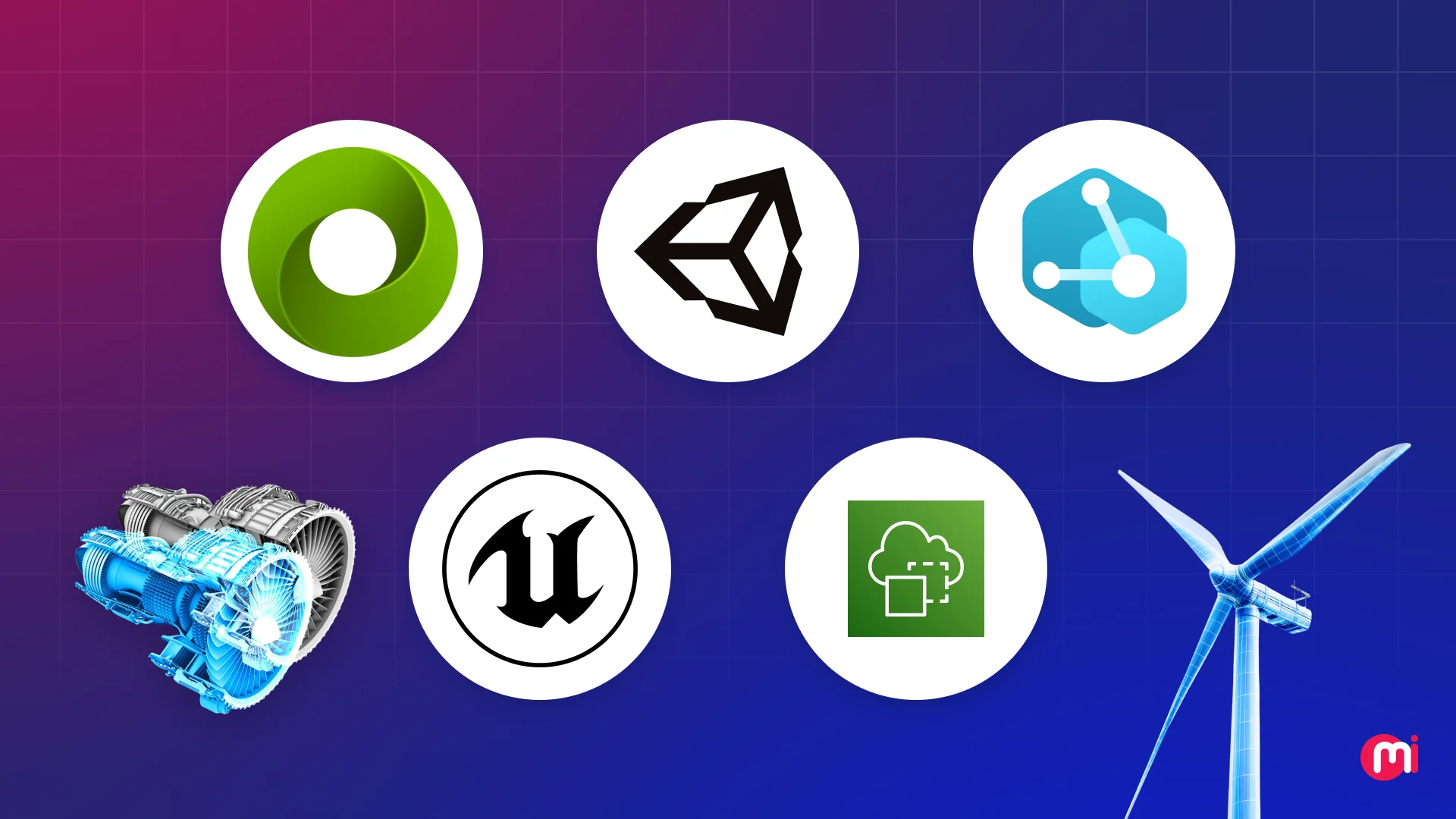
Leading digital twin platforms for 2026 include NVIDIA Omniverse, Microsoft Azure Digital Twins, AWS IoT TwinMaker, Unity, and Unreal Engine. Each platform has its strengths and is suitable for different use cases.
When evaluating a digital twin platform, it is important to consider factors such as architecture, integration capabilities, scalability, cloud strategy, performance, data management, analytics, AI, simulation capabilities, security, compliance, data governance, usability, deployment, vendor ecosystem, long-term viability, total cost of ownership, industry fit, and more.
Common mistakes to avoid while selecting a digital twin platform include choosing based on UI instead of architecture, underestimating integration complexity, starting with an overly ambitious project, ignoring TCO, not involving OT teams early enough, treating the platform decision as permanent, and avoiding vendor lock-in risk.
In conclusion, choosing the right digital twin platform is a strategic decision that requires a rigorous evaluation process. It is essential to define your use case, map your KPIs to platform requirements, evaluate technical and business factors, and ensure industry fit. By following a structured evaluation approach and considering all relevant factors, organizations can make a confident and defensible decision when selecting a digital twin platform.













“Emberwing: Rise of the Dragonlord” – Unleash the Power in the Alpha Demo!

The Evolution of B2C Insurance: Adapting to Consumer Expectations

iPhone Duo Delay Sparks Surge in Galaxy Z Fold 8 Sales

10 Android Apps you NEED to try in 2018

BMW i3 Reigns Supreme While Audi A4 e-tron Faces Delay Until 2029

Legal Battle: Denuvo Takes on Anonymous Cracker for Breaching DRM on 26 Video Games

The Future of Innovation: A Physical AI Startup Raises $100M to Build the Next Generation of Startups

Boost Your iPhone Speed with These 30+ iOS 27 Tips and Tricks

Kiwi Country: New Zealand Set to Host Race of Champions in 2027

EU Takes Action Against Instagram and Facebook for Violating Illegal Content Rules

Warning: Facebook Creators Face Monetization Loss for Stealing and Reposting Videos

Facebook’s New Look: A Blend of Instagram’s Style

Facebook Compliance: ICE-tracking Page Removed After US Government Intervention

Facebook and Instagram to Reduce Personalized Ads for European Users

InstaDub: Meta’s AI Translation Tool for Instagram Videos

Reclaim Your Account: Facebook and Instagram Launch New Hub for Account Recovery

Meta discontinues Messenger apps for Windows and macOS

Breaking Updates: Meta Connect 2025 Unveils Latest Developments
10 Android Apps you NEED to try in 2018

They could not believe how cheap this Phone is

A $50,000 Smartphone for $400?

Huawei P20 Pro Unboxing!

Huawei P20 Pro vs Samsung S9 Plus!

Huawei P20 vs P20 Pro vs iPhone 8 Plus vs S9 Battery Drain Test!

10 Android Mods that Change Everything

I used the first Android Phone in the World.

DOOGEE MIX 4 UNBOXING (PROTOTYPE)!
-
 Facebook11 months ago
EU Takes Action Against Instagram and Facebook for Violating Illegal Content Rules
-
 Facebook11 months ago
Warning: Facebook Creators Face Monetization Loss for Stealing and Reposting Videos
-
 Facebook9 months ago
Facebook’s New Look: A Blend of Instagram’s Style
-
 Facebook11 months ago
Facebook Compliance: ICE-tracking Page Removed After US Government Intervention
-
 Facebook10 months ago
Facebook and Instagram to Reduce Personalized Ads for European Users
-
 Facebook11 months ago
InstaDub: Meta’s AI Translation Tool for Instagram Videos
-
 Facebook10 months ago
Reclaim Your Account: Facebook and Instagram Launch New Hub for Account Recovery
-
 Apple11 months ago
Meta discontinues Messenger apps for Windows and macOS
