
Startups
K2 Launches Groundbreaking High-Powered Satellite for Advanced Space Computing

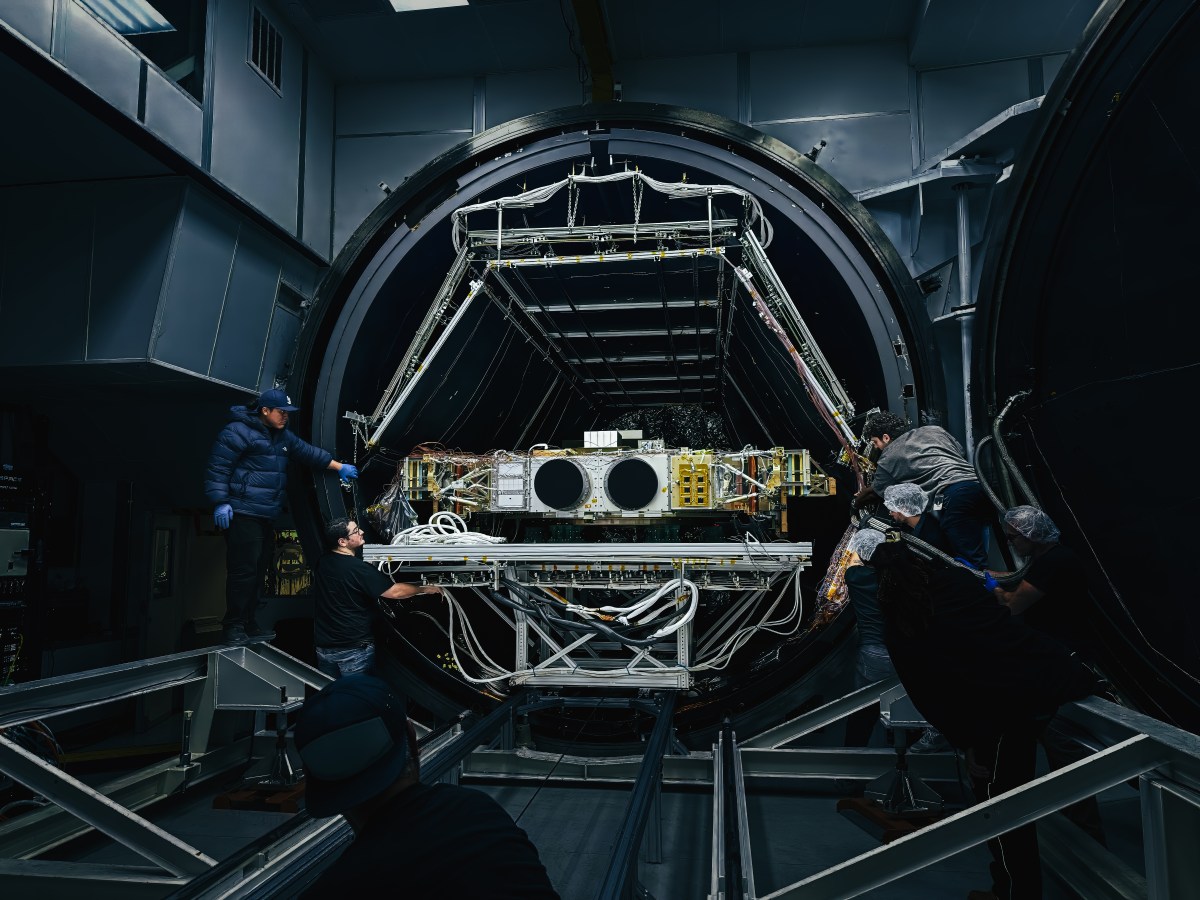
An Innovative Satellite Builder Set to Launch High-Powered Spacecraft
An ambitious satellite builder is gearing up to launch one of the most powerful spacecraft ever constructed in the coming weeks. This groundbreaking technology demonstration is a crucial step towards the development of data centers in orbit.
K2 Space, established by brothers and former SpaceX engineers Karan and Neel Kunjur in 2022, is preparing to send its satellite, Gravitas, into space aboard a SpaceX Falcon 9 rocket. The launch is expected to take place by the end of this month. Gravitas boasts a mass of two metric tons and a 40-meter wingspan when its solar panels are fully deployed.
The primary focus of the impressive satellite is its immense power generation capability. Gravitas is capable of producing 20 kW of electricity, which can be utilized by payloads such as advanced sensors, transceivers, and computers. This power output surpasses that of many existing spacecraft, with the larger ViaSat-3 and upcoming Starlink V3 satellites generating similar levels of power. Most spacecraft currently in operation generate significantly lower power levels.
CEO Karan Kunjur emphasizes the importance of high power in shaping the future of satellite technology. With a substantial investment of $450 million and a valuation of $3 billion as of December 2025, K2 is committed to realizing this vision. The upcoming launch marks the company’s initial foray into space operations, signaling the beginning of an iterative journey towards innovation.
The Gravitas mission will carry 12 undisclosed payload modules from various customers, including the Department of Defense. Additionally, it will feature a 20 kW electric thruster, expected to be the most powerful thruster ever deployed in space.
Kunjur outlines the evaluation criteria for the mission, which includes successfully deploying the spacecraft, initiating payload operations, testing the powerful thruster, and potentially maneuvering the spacecraft into a higher orbit using the thruster.
Recognizing the challenges of launching a new spacecraft, particularly with 85% of its components developed in-house, Kunjur underscores the importance of maximizing data collection for future satellite designs. K2 plans to launch 11 satellites within the next two years, combining demonstration and commercial missions. By 2028, the company aims to supply satellites for the establishment of commercial networks utilizing high-powered space vehicles.
Join us at the Techcrunch event in San Francisco, CA on October 13-15, 2026.
As satellites play an increasingly significant role in the economy, power becomes a critical factor in enabling new business opportunities. Kunjur anticipates that enhanced power capabilities will have a substantial impact on communication networks, facilitating higher throughput and more resilient signals against interference. The evolution of data processing in orbit necessitates high-powered satellites to support advanced processors effectively.
However, the primary challenge for data centers and large satellites remains the high cost of launching them into space. K2’s original concept centered around leveraging SpaceX’s Starship, a massive rocket in development that promises significant cost reductions for accessing orbit. While the timeline for Starship’s operational readiness and cost-effective services remains uncertain, the growing demand for high-power satellites presents a unique opportunity for K2.
With the increasing demand for enhanced power capabilities in space, K2 argues that their spacecraft remain viable even in a scenario where launch costs are around $7.2 million per Falcon 9 launch. Kunjur asserts that despite potential cost reductions with Starship, Gravitas’ $15 million price tag positions it as a cost-effective solution compared to traditional high-powered satellites. K2 is prepared to introduce even more powerful options once the larger rockets become operational.
“Our strategy is to develop all necessary components to lead the industry when Starship and New Glenn become accessible to all,” Kunjur stated. The company has already designed a 100 kW satellite, ready for production on its factory floor.
This updated article reflects the latest information on the power generation of Starlink satellites.












Lando Norris’ Stunning Ferrari F40 Spotted in London

“Emberwing: Rise of the Dragonlord” – Unleash the Power in the Alpha Demo!

The Evolution of B2C Insurance: Adapting to Consumer Expectations

iPhone Duo Delay Sparks Surge in Galaxy Z Fold 8 Sales

10 Android Apps you NEED to try in 2018

BMW i3 Reigns Supreme While Audi A4 e-tron Faces Delay Until 2029

Legal Battle: Denuvo Takes on Anonymous Cracker for Breaching DRM on 26 Video Games

The Future of Innovation: A Physical AI Startup Raises $100M to Build the Next Generation of Startups

Boost Your iPhone Speed with These 30+ iOS 27 Tips and Tricks

EU Takes Action Against Instagram and Facebook for Violating Illegal Content Rules

Warning: Facebook Creators Face Monetization Loss for Stealing and Reposting Videos

Facebook’s New Look: A Blend of Instagram’s Style

Facebook Compliance: ICE-tracking Page Removed After US Government Intervention

Facebook and Instagram to Reduce Personalized Ads for European Users

InstaDub: Meta’s AI Translation Tool for Instagram Videos

Reclaim Your Account: Facebook and Instagram Launch New Hub for Account Recovery

Meta discontinues Messenger apps for Windows and macOS

Breaking Updates: Meta Connect 2025 Unveils Latest Developments
10 Android Apps you NEED to try in 2018

They could not believe how cheap this Phone is

A $50,000 Smartphone for $400?

Huawei P20 Pro Unboxing!

Huawei P20 Pro vs Samsung S9 Plus!

Huawei P20 vs P20 Pro vs iPhone 8 Plus vs S9 Battery Drain Test!

10 Android Mods that Change Everything

I used the first Android Phone in the World.

DOOGEE MIX 4 UNBOXING (PROTOTYPE)!
-
 Facebook11 months ago
EU Takes Action Against Instagram and Facebook for Violating Illegal Content Rules
-
 Facebook11 months ago
Warning: Facebook Creators Face Monetization Loss for Stealing and Reposting Videos
-
 Facebook9 months ago
Facebook’s New Look: A Blend of Instagram’s Style
-
 Facebook11 months ago
Facebook Compliance: ICE-tracking Page Removed After US Government Intervention
-
 Facebook10 months ago
Facebook and Instagram to Reduce Personalized Ads for European Users
-
 Facebook11 months ago
InstaDub: Meta’s AI Translation Tool for Instagram Videos
-
 Facebook10 months ago
Reclaim Your Account: Facebook and Instagram Launch New Hub for Account Recovery
-
 Apple11 months ago
Meta discontinues Messenger apps for Windows and macOS
