
Cars
Australia’s Commitment to Energy Security: $10 Billion Investment in Fuel Infrastructure

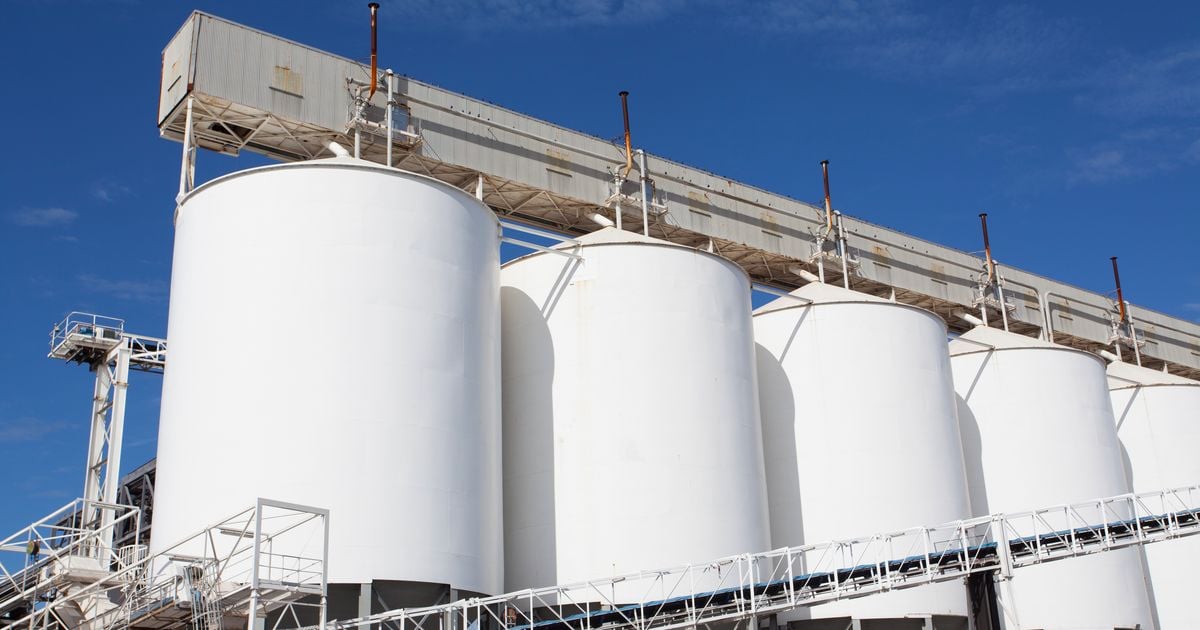
The Australian Government’s Initiative to Boost Fuel Reserves
The Australian Government has recently unveiled its plans to enhance Australia’s fuel reserves in anticipation of the upcoming Federal Budget release next week.
The 2026-27 Budget will introduce a new $10.7 billion Australian Fuel Security and Resilience package aimed at expanding the nation’s onshore fuel reserves following recent disruptions to domestic fuel supply and price increases due to conflicts in the Middle East.
A significant portion of this budget, amounting to $7.5 billion, will be allocated to establish a Fuel and Fertiliser Security Facility to boost the supply and storage of fuel and fertiliser. The government will provide financial support through loans, guarantees, and other means.
Additionally, the government has pledged $3.2 billion to create the Australian Fuel Security Reserve, which it will own. This initiative aims to increase long-term diesel and aviation fuel supply and storage, with a capacity to hold approximately a billion litres of fuel.
As part of these efforts, the government intends to raise the Minimum Stockholding Obligation for each fuel type by approximately 10 days, boosting the nation’s critical fuel reserves to 50 days. Recent stock levels indicate 43 days for petrol and 33 days for diesel as of April 28, 2026, based on normal consumption rates.
Notably, compared to the last quarter of 2025, total stocks under the minimum stockholding obligation showed an increase, with 38 days for petrol and 32 days for diesel, reflecting a rise in local supply.
However, Australia, as a member of the International Energy Agency (IEA), falls short of the mandatory 90-day oil stock level requirement for net imports set by the organization. Australia has not met this requirement since 2012, unlike some other IEA members like Japan, which boasts a stock level of 250 days.
Australia heavily relies on oil imports, with only two refineries in Brisbane and Geelong to process foreign oil. A recent fire incident at one of these refineries has underscored the vulnerability of the nation’s fuel supply chain.
Following the closure of the Strait of Hormuz off the coast of Iran in late February 2026, concerns over fuel supply shortages in Australia triggered widespread panic-buying, leading to fuel shortages at hundreds of service stations nationwide.
To address these challenges, the Australian Government is planning to establish a fuel reserve system that enables the underwriting or purchase of fuel, support for storage, and trading stocks as necessary to ensure fuel security during severe disruptions in supply.
To manage Australia’s fuel security effectively, the government will invest $34.7 million over four years in ongoing initiatives, including collaborating with industry stakeholders to enhance fuel holdings and imposing stricter requirements on refiners and importers to maintain adequate fuel stocks.
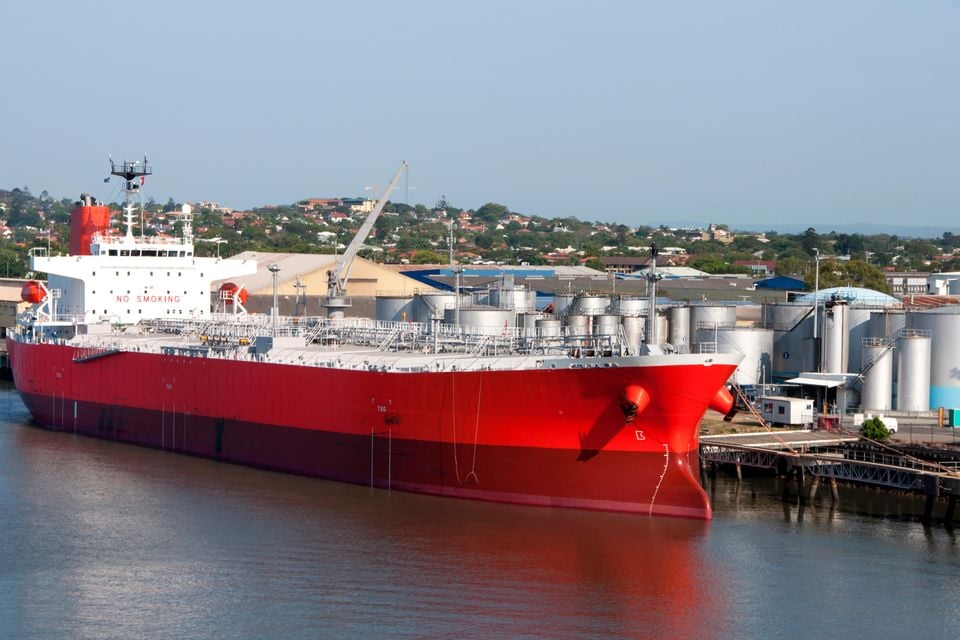
In addition to increasing domestic fuel supply, the government has allocated $10 million to support feasibility studies for new or expanded fuel refining capabilities, co-funded with state and territory jurisdictions. There is also an emphasis on investing in new and upgraded fuel storage facilities.
However, the federal opposition has criticized the government for perceived inaction and has called for designating the Taroom Trough, an onshore petroleum and gas exploration area in Queensland, as a National Strategic Priority Project. They have also advocated for abolishing the Safeguard Mechanism to alleviate financial burdens on refineries.
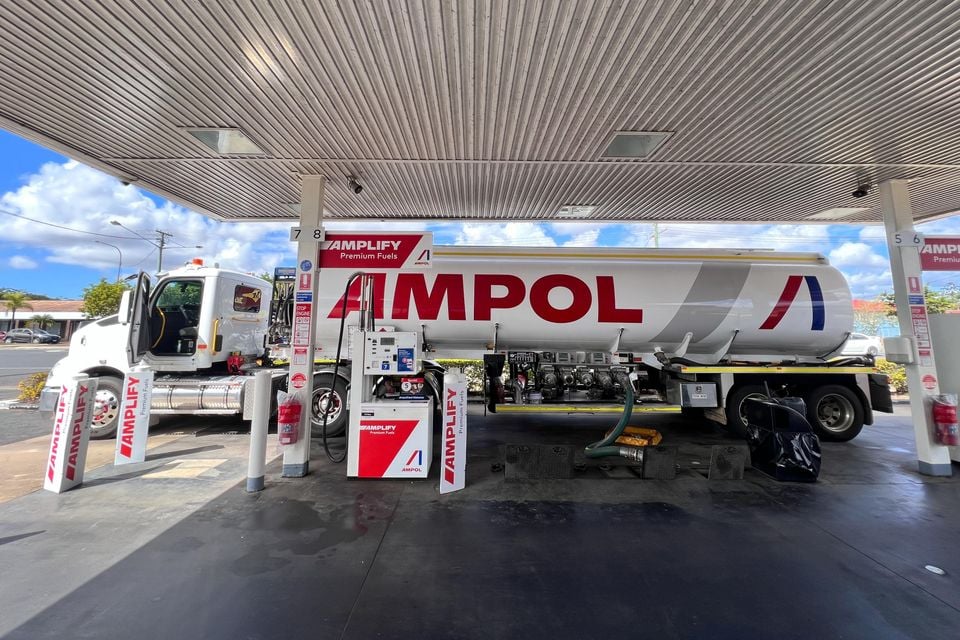
The Liberal Party has proposed increasing minimum stockholding levels to 60 days for critical fuels and establishing an $800 million Australian Fuel Security Facility to create over one billion litres of new storage capacity.
Following the closure of the Strait of Hormuz in February, which led to price hikes and fuel shortages, the Australian Government took measures to reduce the fuel excise for three months, halving it from 52.6 cents per litre to 26.3cpl from April 1, 2026. State and territory governments also discounted fuel by 5.7cpl, funded by goods and services tax revenue.
Furthermore, the government temporarily adjusted Australia’s fuel quality standards to allow for higher sulfur levels from March to May, resulting in an additional 100 million litres per month of petrol supply. The flashpoint for diesel fuel was also lowered to enhance supply options.
Other government initiatives include a three-month exemption from the heavy vehicle road user charge for vehicles over 4.5 tonnes, underwriting oil shipments, and appointing a Fuel Supply Taskforce Coordinator to manage fuel supply issues effectively.
MORE: Australia’s ‘dirtier’ fuel explained
MORE: Australian Government tells motorists to drive less, close their windows, pump up their tyres amid fuel shortages
MORE: Petrol prices fall as diesel rises despite excise cut
MORE: Fuel prices cut again in Australia after GST deal
MORE: The fuel excise has been cut, so why aren’t petrol and diesel prices cheaper?
MORE: Record fuel prices spark gouging probe as government threatens crackdown
MORE: Australia’s fuel rationing plan revealed: $40 fuel cap explained












Lando Norris’ Stunning Ferrari F40 Spotted in London

“Emberwing: Rise of the Dragonlord” – Unleash the Power in the Alpha Demo!

The Evolution of B2C Insurance: Adapting to Consumer Expectations

iPhone Duo Delay Sparks Surge in Galaxy Z Fold 8 Sales

10 Android Apps you NEED to try in 2018

BMW i3 Reigns Supreme While Audi A4 e-tron Faces Delay Until 2029

Legal Battle: Denuvo Takes on Anonymous Cracker for Breaching DRM on 26 Video Games

The Future of Innovation: A Physical AI Startup Raises $100M to Build the Next Generation of Startups

Boost Your iPhone Speed with These 30+ iOS 27 Tips and Tricks

EU Takes Action Against Instagram and Facebook for Violating Illegal Content Rules

Warning: Facebook Creators Face Monetization Loss for Stealing and Reposting Videos

Facebook’s New Look: A Blend of Instagram’s Style

Facebook Compliance: ICE-tracking Page Removed After US Government Intervention

Facebook and Instagram to Reduce Personalized Ads for European Users

InstaDub: Meta’s AI Translation Tool for Instagram Videos

Reclaim Your Account: Facebook and Instagram Launch New Hub for Account Recovery

Meta discontinues Messenger apps for Windows and macOS

Breaking Updates: Meta Connect 2025 Unveils Latest Developments
10 Android Apps you NEED to try in 2018

They could not believe how cheap this Phone is

A $50,000 Smartphone for $400?

Huawei P20 Pro Unboxing!

Huawei P20 Pro vs Samsung S9 Plus!

Huawei P20 vs P20 Pro vs iPhone 8 Plus vs S9 Battery Drain Test!

10 Android Mods that Change Everything

I used the first Android Phone in the World.

DOOGEE MIX 4 UNBOXING (PROTOTYPE)!
-
 Facebook11 months ago
EU Takes Action Against Instagram and Facebook for Violating Illegal Content Rules
-
 Facebook11 months ago
Warning: Facebook Creators Face Monetization Loss for Stealing and Reposting Videos
-
 Facebook9 months ago
Facebook’s New Look: A Blend of Instagram’s Style
-
 Facebook11 months ago
Facebook Compliance: ICE-tracking Page Removed After US Government Intervention
-
 Facebook10 months ago
Facebook and Instagram to Reduce Personalized Ads for European Users
-
 Facebook11 months ago
InstaDub: Meta’s AI Translation Tool for Instagram Videos
-
 Facebook10 months ago
Reclaim Your Account: Facebook and Instagram Launch New Hub for Account Recovery
-
 Apple11 months ago
Meta discontinues Messenger apps for Windows and macOS
