
Startups
Startup Growth Strategies Unleashed: AI Roll-Ups and Beyond


AI Roll-Ups: The Future of Startup Growth
In the ever-evolving world of startups, a new trend is emerging: AI roll-ups. This strategy involves acquiring companies within a specific industry, integrating them into a single platform, and leveraging artificial intelligence to enhance efficiency and drive growth.
For tech entrepreneurs, AI roll-ups offer a unique opportunity to scale their businesses by incorporating advanced technology and streamlined processes into existing assets such as client bases, sales networks, and industry knowledge. When executed effectively, this approach can accelerate time-to-market, open up new revenue streams, and facilitate expansion into related sectors without starting from scratch. Venture capitalists, particularly those with substantial resources and specialized teams, are increasingly drawn to the potential of AI roll-ups.
Despite its growing popularity, the model has its skeptics. Some critics argue that roll-ups oversimplify the transition from service-oriented firms to software businesses by relying too heavily on AI. While there are legitimate concerns, the fundamental concept of roll-ups remains sound. Integrating AI into service-based businesses can enhance profit margins, expedite revenue generation, and even establish competitive advantages through proprietary data and AI-powered workflows.
To truly grasp the potential of AI roll-ups, it is essential to understand their historical context. This strategy has been a staple in private equity for decades, with AI serving as a modern upgrade to the traditional playbook. By examining the origins of roll-ups and their successful implementation, it becomes evident why they continue to deliver impressive results in the right hands.
The Evolution of the Roll-Up Model with AI
The concept of roll-ups dates back to the leveraged buyout (LBO) wave of the 1980s when private equity firms utilized “buy-and-build” strategies to consolidate fragmented industries. While some roll-ups faltered due to excessive debt, others achieved remarkable returns through meticulous execution.
Notable examples include Gibson Greetings, a greeting card company that underwent a successful LBO in 1982, culminating in a lucrative IPO just sixteen months later. Similarly, Blackstone’s acquisition of Hilton Hotels in 2007 resulted in substantial gains despite the backdrop of the financial crisis. These early successes set the stage for the resurgence of roll-ups in the e-commerce sector during the 2010s, reshaping the landscape of digital retail.
Today, AI serves as the driving force behind the modern roll-up model, enabling startups to acquire established players and accelerate their growth trajectory. By leveraging AI-powered platforms and established playbooks, founders can seamlessly expand their customer base, distribution channels, and revenue streams without the delays associated with building from scratch.
Real-World Examples of AI Roll-Ups in Action
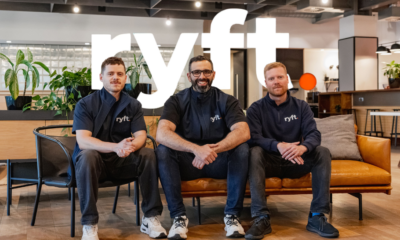
Pioneers in the AI-native startup space have successfully implemented the roll-up strategy to great effect. One such example is a staffing platform that leveraged AI to revamp its operations and achieve a fivefold increase in monthly revenue within a few months. Similarly, a UK-based proptech startup capitalized on the roll-up approach by acquiring traditional real estate agencies and modernizing their operations through technology integration.
These cases demonstrate how traditional service businesses can be consolidated and revitalized through tech-driven roll-ups, particularly in regions like Europe with fragmented markets and slow digitalization. By bypassing the traditional hurdles of customer acquisition, roll-ups offer a streamlined path to market entry and industry modernization.
Key Considerations for Founders
While the allure of AI roll-ups is undeniable, founders must exercise caution and strategic foresight to ensure success. Acquiring businesses should not be a mere exercise in empire-building; rather, each deal should strengthen market positioning, enhance value delivery, or eliminate structural inefficiencies. Seamless integration, repeatable upselling, and unwavering execution are essential components of a successful roll-up strategy, ensuring long-term viability and sustained growth beyond industry hype cycles.
In conclusion, AI roll-ups represent a promising avenue for startups to achieve rapid expansion and market dominance. By leveraging advanced technology, visionary leadership, and disciplined execution, founders can tap into existing customer bases, optimize operational efficiencies, and propel their businesses to new heights. While the journey of a roll-up begins with a deal, its ultimate success hinges on the ability to seamlessly integrate acquired assets, drive continuous upselling, and maintain a relentless focus on execution. When done right, AI roll-ups have the potential to create robust, future-proof platforms that stand the test of time. Transform the following sentence into the active voice:
“The cake was baked by my sister.”
My sister baked the cake.












Fortnite Hearts: Keyblade Chaos under the Heart Moon

The Imperfect Brilliance of the Google Pixel 11 Pro

Cycloid Secures Spot in European Commission’s €180 Million Sovereign Cloud Framework after Successful Series A Funding Round

Exploring the Exciting Updates of iOS 27: A Look Beyond Artificial Intelligence

A $50,000 Smartphone for $400?

Ram Trucks Australia Braces for Price Increases Due to Emissions Regulations

Revving Up: Tractor Battle Adventure RPG Expands with Mod Support on Steam Workshop

Troubleshooting Guide: Unable to Access 192.168.0.1

Choosing the Right AI: Ensuring Trust in Multi-Model Translation Systems

EU Takes Action Against Instagram and Facebook for Violating Illegal Content Rules

Warning: Facebook Creators Face Monetization Loss for Stealing and Reposting Videos

Facebook’s New Look: A Blend of Instagram’s Style

Facebook Compliance: ICE-tracking Page Removed After US Government Intervention

Facebook and Instagram to Reduce Personalized Ads for European Users

InstaDub: Meta’s AI Translation Tool for Instagram Videos

Reclaim Your Account: Facebook and Instagram Launch New Hub for Account Recovery

Meta discontinues Messenger apps for Windows and macOS

Breaking Updates: Meta Connect 2025 Unveils Latest Developments
A $50,000 Smartphone for $400?

Huawei P20 Pro Unboxing!

Huawei P20 Pro vs Samsung S9 Plus!

Huawei P20 vs P20 Pro vs iPhone 8 Plus vs S9 Battery Drain Test!

10 Android Mods that Change Everything

I used the first Android Phone in the World.

DOOGEE MIX 4 UNBOXING (PROTOTYPE)!

MYSTERY UNBOXING FROM SAMSUNG!

The Truth about Huawei P20 Pro – REAL Review
-
 Facebook11 months ago
EU Takes Action Against Instagram and Facebook for Violating Illegal Content Rules
-
 Facebook11 months ago
Warning: Facebook Creators Face Monetization Loss for Stealing and Reposting Videos
-
 Facebook9 months ago
Facebook’s New Look: A Blend of Instagram’s Style
-
 Facebook11 months ago
Facebook Compliance: ICE-tracking Page Removed After US Government Intervention
-
 Facebook9 months ago
Facebook and Instagram to Reduce Personalized Ads for European Users
-
 Facebook11 months ago
InstaDub: Meta’s AI Translation Tool for Instagram Videos
-
 Facebook10 months ago
Reclaim Your Account: Facebook and Instagram Launch New Hub for Account Recovery
-
 Apple11 months ago
Meta discontinues Messenger apps for Windows and macOS
