
Apple
Driving into the Future: The Revolutionary Legacy of Apple’s AI Chip Technology

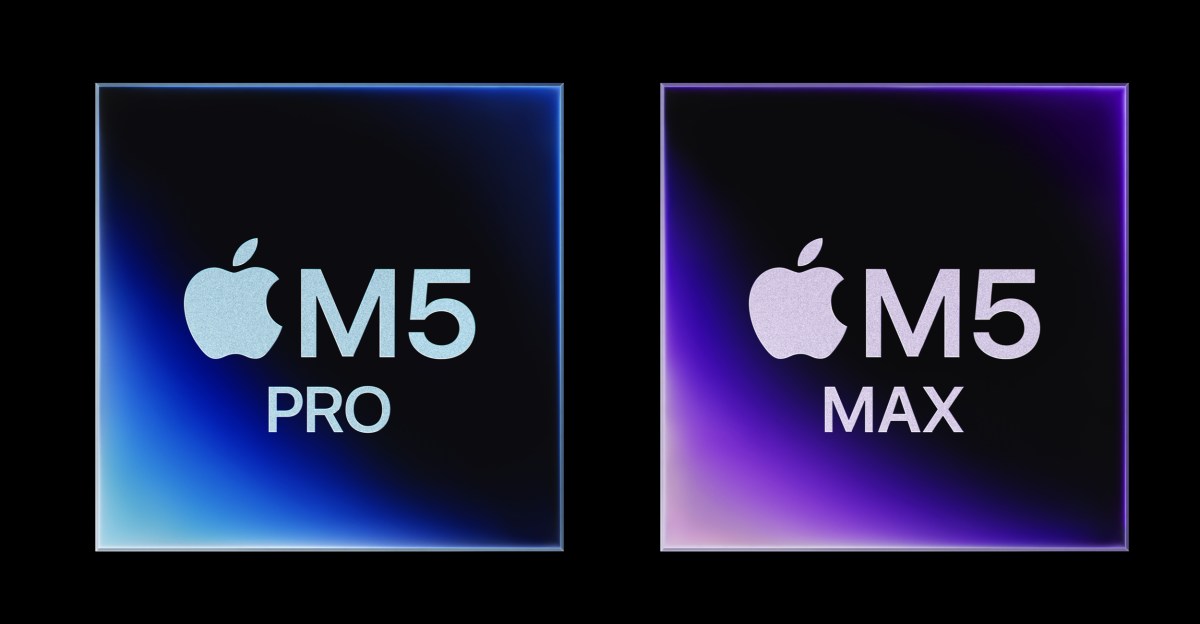
Apple’s Innovation in AI Hardware
Apple’s foray into self-driving cars may not have taken off as expected, but it inadvertently paved the way for the development of powerful AI processors. Recognizing the need for robust on-device AI processing early on, Apple’s focus shifted towards creating cutting-edge chips that would power its future innovations. While the self-driving car project was ultimately abandoned, the legacy it left behind was the foundation for Apple’s Neural Engine, a crucial component of its AI processing capabilities.
The Evolution of Apple’s Neural Engine
The Neural Engine made its debut alongside the iPhone X and the A11 Bionic chip, initially focusing on tasks like FaceID, Animoji, and augmented reality features. Over time, Apple expanded its use of the Neural Engine beyond mobile devices, integrating it into desktops with the M-series chips. This move not only solidified Apple’s position as a pioneer in on-device AI processing but also set the stage for enhanced privacy measures, as less data needed to be transmitted to the cloud.
Apple’s Future AI Hardware Strategy
Looking ahead, Apple is doubling down on its AI hardware advancements. Reports suggest that the company is fast-tracking the development of the M7 chip, slated for release in the first half of 2027, with significant upgrades to the Neural Engine. The M7 Ultra variant is anticipated to power a new server product from Apple, boasting support for up to 1.5TB of RAM. This strategic shift underscores Apple’s commitment to driving innovation in AI hardware and solidifying its position as a key player in the tech industry.










Arizona Sunshine: Unleashing the Doggy Co-op Mode in January

International Collaboration: Surrey, Sheffield, and Melbourne Join Forces on £3.2m Project to Create Provably Secure Sandbox for AI Agents

Tech Advisor Announces Samsung Galaxy Phones Now Available on Google Play Store

Exploring the Boundaries of Physical AI: Insights from an Nvidia Veteran Turned Investor

The Latest Updates on Apple’s iPhone Duo

Google Unveils Revolutionary ‘Universal’ Online Shopping Cart for Seamless Shopping Experience

Upgrade Alert: HomePod Mini 2 and HomePod 2 Set to Become Default Mac Speakers

Finally Fixing my Wi-Fi – Zyxel Multy X!

Lost in the Living Maze: Unraveling Hidden Terrain Magic Through Copy-Paste

EU Takes Action Against Instagram and Facebook for Violating Illegal Content Rules

Warning: Facebook Creators Face Monetization Loss for Stealing and Reposting Videos

Facebook’s New Look: A Blend of Instagram’s Style

Facebook Compliance: ICE-tracking Page Removed After US Government Intervention

Facebook and Instagram to Reduce Personalized Ads for European Users

InstaDub: Meta’s AI Translation Tool for Instagram Videos

Reclaim Your Account: Facebook and Instagram Launch New Hub for Account Recovery

Meta discontinues Messenger apps for Windows and macOS

Breaking Updates: Meta Connect 2025 Unveils Latest Developments
Finally Fixing my Wi-Fi – Zyxel Multy X!

$25,000 Gaming Setup – EVOLUTION!

The Maze Alpha X is HERE!

Cool Tech under $100 – December!

MYSTERY UNBOXING FROM GOOGLE!

TOP 6 Smartphones from Companies you NEVER Expected!

A Surprise Smartphone from EE!

DOOGEE MIX 2 VS DOOGEE MIX 1!

INCREDIBLE Smartphone Gadgets on Amazon!
-
 Facebook12 months ago
EU Takes Action Against Instagram and Facebook for Violating Illegal Content Rules
-
 Facebook1 year ago
Warning: Facebook Creators Face Monetization Loss for Stealing and Reposting Videos
-
 Facebook10 months ago
Facebook’s New Look: A Blend of Instagram’s Style
-
 Facebook1 year ago
Facebook Compliance: ICE-tracking Page Removed After US Government Intervention
-
 Facebook10 months ago
Facebook and Instagram to Reduce Personalized Ads for European Users
-
 Facebook1 year ago
InstaDub: Meta’s AI Translation Tool for Instagram Videos
-
 Facebook11 months ago
Reclaim Your Account: Facebook and Instagram Launch New Hub for Account Recovery
-
 Apple12 months ago
Meta discontinues Messenger apps for Windows and macOS
