
Gadgets
The Rise of Android Subscription Services: A Troubling Trend


Google’s focus on AI over Android has raised concerns about the future of the operating system. It seems that Android has taken a back seat to AI, becoming more of a platform for Google’s AI ambitions rather than a flagship product. The emphasis on AI services, cloud processing, and subscriptions has shifted the focus away from the core features of the OS.
While AI is important, the rapid integration of AI services into Android has led to a shift towards subscription-based models. Many of the new features and services promoted by Google require an internet connection, a Google account, and a monthly fee. This move has transformed Android from a standalone operating system to a platform where advanced features are locked behind paywalls.
Android feels like little more than a vehicle for the company’s AI ambitions
Recent Google I/O events have highlighted the company’s focus on AI, with Android playing a supporting role rather than being the main product. The key announcements have centered around AI-powered services and cloud-based intelligence, with Android serving as the delivery platform for these services.
Google’s shift towards AI subscriptions is evident in the pricing models for services like Daily Brief, Gemini Spark, and Information Agents. Users are now required to pay monthly fees for access to these features, marking a departure from the traditional model of software updates and app improvements.
This transition represents a significant change in how Android is perceived. While the operating system still receives updates, the spotlight has shifted to Google’s AI services, which are now the primary focus of the company’s product strategy.
From on-device to subscription
Google’s recent announcements have underscored the shift towards AI subscriptions as the core offering, with Android playing a secondary role. Gemini, AI agents, and cloud-based tools have become the focal points of Google’s product lineup, with Android serving as a conduit for these services.
Android no longer appears to be its main product. AI subscriptions are
As Google continues to promote its AI-powered services, the cost of access to these features is becoming increasingly prohibitive. Subscription plans ranging from basic to premium tiers require users to pay monthly fees for advanced features and additional cloud storage.
Anurag Singh / Foundry
The evolution of Android from a free-standing operating system to a subscription-based platform reflects a significant departure from its original value proposition. The emphasis on AI services behind paywalls has shifted the narrative away from the core Android features that were once the primary focus of the ecosystem.
While Android continues to receive updates, the most innovative software offerings from Google now reside in the realm of paid subscriptions. The operating system has become a vessel for delivering Google’s AI services rather than being the centerpiece of the company’s product strategy.
Android is also becoming more restrictive
Changes in the Android ecosystem, such as Google’s move to require developer registration outside the Play Store, have raised concerns about the platform’s future. The shift towards a more tightly controlled ecosystem has led to questions about the openness and user-controlled nature of Android.
As Google emphasizes security, the platform is moving towards a more managed environment that resembles iOS in terms of app distribution and user control. While the focus on security is important, it has led to a shift away from the open-source and user-driven ethos that defined Android in the past.
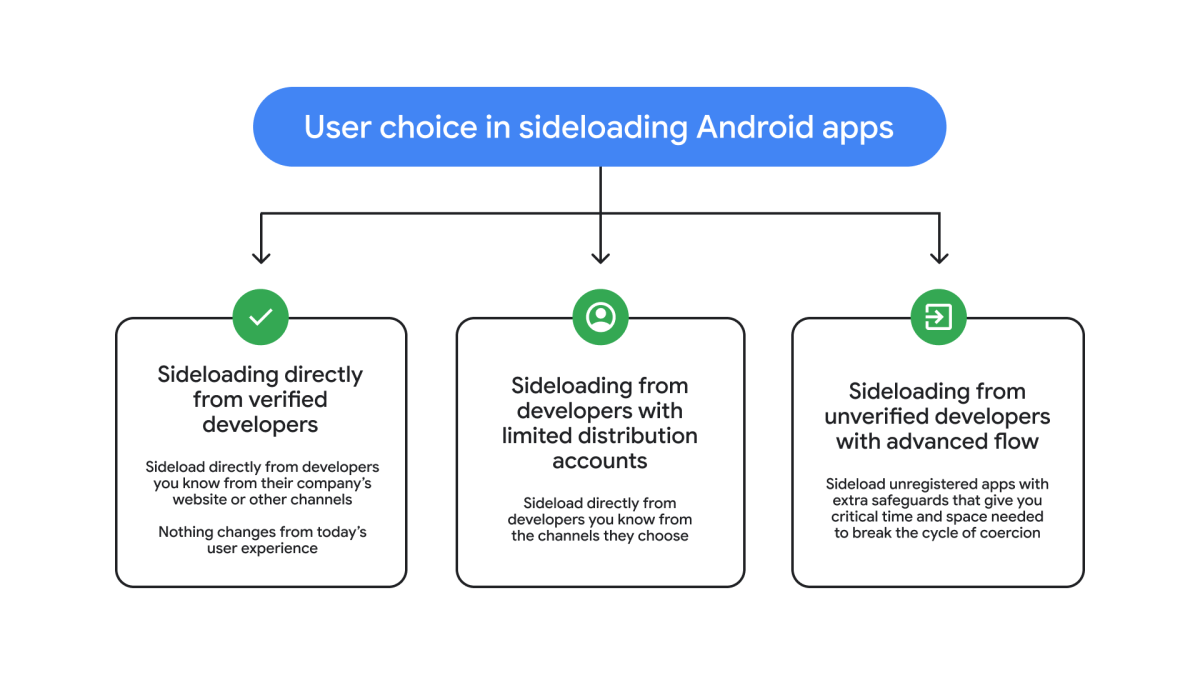
While Google’s emphasis on security is understandable, the move to tighten control over app distribution raises questions about the future of Android as an open platform. The shift towards a more managed ecosystem could limit user choice and restrict the flexibility that has traditionally defined Android.
As Google continues to prioritize AI subscriptions and security measures, the balance between user control and corporate oversight is shifting. The focus on paid subscriptions and developer verification reflects a broader trend towards increased corporate control and reduced consumer choice within the Android ecosystem.
The evolving landscape of Android signals a significant change in Google’s product strategy, with a greater emphasis on AI services and subscriptions over the traditional features of the operating system. The shift towards a more managed ecosystem and paid subscriptions indicates a fundamental repositioning of Android within Google’s product lineup.
Read next: The 5 most exciting phones yet to launch in 2026.











Tech Advisor: The Delayed Android 17 QPR1 Update for Pixel 11

Venture Capital Firm Monte Carlo Capital Secures €13 Million for Fund II to Back Early-Stage DeepTech, AI, and SpaceTech Startups

The Battle Over iPhone Driver’s Licenses: Florida and Rhode Island Stand Firm

How Smart is the AI-Powered Huawei Mate 10 – with EMUI 8.0?

Reviving the Legacy: Porsche Mission S Unveils Carrera GT-Inspired Gauge Cluster

Navigating the New Normal: Satya Nadella’s Journey in the Post-COVID World of Microsoft

Persona 4 Reborn: Unveiling Naoto Shirogane’s Return in New Trailer

Unveiling the Powerhouse: Xiaomi 18 Pro Max Global Leak Exposes Impressive Performance Features

Breaking News: Android U-Turn Officially Confirmed by Tech Advisor

EU Takes Action Against Instagram and Facebook for Violating Illegal Content Rules

Warning: Facebook Creators Face Monetization Loss for Stealing and Reposting Videos

Facebook’s New Look: A Blend of Instagram’s Style

Facebook Compliance: ICE-tracking Page Removed After US Government Intervention

Facebook and Instagram to Reduce Personalized Ads for European Users

InstaDub: Meta’s AI Translation Tool for Instagram Videos

Reclaim Your Account: Facebook and Instagram Launch New Hub for Account Recovery

Meta discontinues Messenger apps for Windows and macOS

Breaking Updates: Meta Connect 2025 Unveils Latest Developments
How Smart is the AI-Powered Huawei Mate 10 – with EMUI 8.0?

I used a 2012 Smartphone in 2018 – Here’s what happened.

How to send ANY file Anywhere!

NEW Oneplus 5T Sandstone White Unboxing – The Ultimate Oneplus 5T?

HUAWEI P20 – THE SMARTPHONE REVOLUTION IS HERE?

How OnePlus succeeded when they should have failed.

Samsung sent us THIS! #AD

Ulefone Power 3 – Quad Camera Smartphone that last 2 weeks!

EPIC Smartphone FAILS that people will never forget.
-
 Facebook12 months ago
EU Takes Action Against Instagram and Facebook for Violating Illegal Content Rules
-
 Facebook12 months ago
Warning: Facebook Creators Face Monetization Loss for Stealing and Reposting Videos
-
 Facebook10 months ago
Facebook’s New Look: A Blend of Instagram’s Style
-
 Facebook12 months ago
Facebook Compliance: ICE-tracking Page Removed After US Government Intervention
-
 Facebook10 months ago
Facebook and Instagram to Reduce Personalized Ads for European Users
-
 Facebook12 months ago
InstaDub: Meta’s AI Translation Tool for Instagram Videos
-
 Facebook10 months ago
Reclaim Your Account: Facebook and Instagram Launch New Hub for Account Recovery
-
 Apple12 months ago
Meta discontinues Messenger apps for Windows and macOS
