
Video Games
Under Fire: The Untold Story of Infinity Ward’s Controversial Game Development

The Pressure Activision Exerted on Infinity Ward to Create a Controversial Call of Duty Game
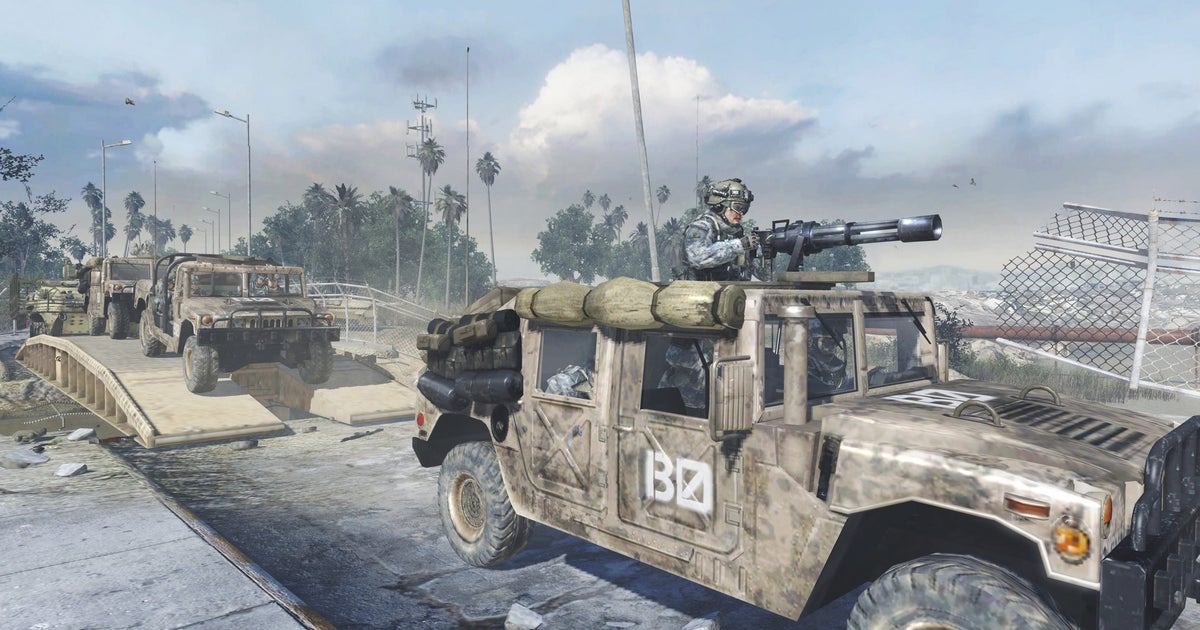
A former lead animator on the Call of Duty series, Chance Glasco, has recently revealed shocking information about Activision’s attempt to influence game development. Glasco claimed that Activision once pressured Infinity Ward to create a game where Iran attacks Israel, a controversial and politically charged storyline.
Glasco, who worked at Infinity Ward from 2002 to 2014, shared this information in response to a video montage posted on the official White House Xitter account. The video combined real-life military strikes against Iran with killstreak animations and Call of Duty interface elements, sparking controversy and raising questions about the intersection of entertainment and politics.
According to Glasco, Activision’s pressure came after the company took control of Infinity Ward following the dismissal of studio co-founders Vince Zampella and Jason West in 2010. This alleged pressure to create a game centered on Iran attacking Israel occurred between 2010 and 2014, during Glasco’s tenure at the studio.
Despite Activision’s push for this controversial storyline, Glasco revealed that the majority of Infinity Ward developers were against the idea and ultimately rejected it. This decision highlights the ethical considerations and creative autonomy that game developers face when navigating sensitive political themes in their work.
The revelation of Activision’s influence on game development raises important questions about the role of entertainment, including video games, in shaping public opinion on global issues. Glasco emphasized that governments may use media to sway public perception, highlighting the potential impact of fictional narratives on real-world events.
One particularly contentious aspect of the proposed game was its focus on Iran attacking Israel, a scenario that resonates with ongoing geopolitical tensions. Glasco’s insights shed light on the complex relationship between entertainment, politics, and public discourse, prompting reflection on the responsibilities of game developers in addressing sensitive topics.
While Call of Duty has explored controversial themes in the past, such as the “No Russian” mission in Modern Warfare 2, Glasco noted that earlier installments of the series aimed to convey the harsh realities of war. By incorporating elements that evoke feelings of disgust and discomfort, developers sought to challenge players’ perceptions and foster a deeper understanding of the human cost of conflict.
Ultimately, Glasco’s revelations offer a glimpse into the intricate interplay between entertainment, politics, and ethical considerations in the gaming industry. As discussions around the influence of media on public opinion continue to evolve, the story of Activision’s pressure on Infinity Ward serves as a cautionary tale about the power and responsibility of storytelling in video games.













Oneplus 5T vs Pixel 2 XL vs S8 vs iPhone 8 Battery Charging Speed Test!

The Affordable Next-Gen Xbox: Debunking the $1,800 Price Tag

Revelation: A New Dawn in the Helldivers Universe

Battery Life Halved by Garmin’s New Voice Controls

Revolutionizing Energy: The Future of Next-Gen Battery Life

Warhound Secures $200M Investment to Develop Advanced Military Canines Equipped with Anduril Technology

No, the iPhone Duo isn’t a miniature device

Rebirth of Resilience: The Evolution of Crisis Management in the Digital Age

Australian Court Rules Against Apple’s App Store Monopoly

EU Takes Action Against Instagram and Facebook for Violating Illegal Content Rules

Warning: Facebook Creators Face Monetization Loss for Stealing and Reposting Videos

Facebook’s New Look: A Blend of Instagram’s Style

Facebook Compliance: ICE-tracking Page Removed After US Government Intervention

Facebook and Instagram to Reduce Personalized Ads for European Users

InstaDub: Meta’s AI Translation Tool for Instagram Videos

Reclaim Your Account: Facebook and Instagram Launch New Hub for Account Recovery

Meta discontinues Messenger apps for Windows and macOS

Breaking Updates: Meta Connect 2025 Unveils Latest Developments
Oneplus 5T vs Pixel 2 XL vs S8 vs iPhone 8 Battery Charging Speed Test!

MY NEW CAR?! (Q&A)

Should you buy your Smartphones Refurbished!?

6 Amazing SECRET Android Launchers (2017 / 2018)

6 Value for Money Tech Products you NEED to try!

iPhone X Helicopter 1200ft Drop Test!! + Mous Case Review

7 UNBELIEVABLE Smartphone Magic Tricks!

Oneplus 5T vs Oneplus 1 – 3 Years Later.

Top 20 BEST Smartphones of 2017!
-
 Facebook12 months ago
EU Takes Action Against Instagram and Facebook for Violating Illegal Content Rules
-
 Facebook1 year ago
Warning: Facebook Creators Face Monetization Loss for Stealing and Reposting Videos
-
 Facebook11 months ago
Facebook’s New Look: A Blend of Instagram’s Style
-
 Facebook1 year ago
Facebook Compliance: ICE-tracking Page Removed After US Government Intervention
-
 Facebook11 months ago
Facebook and Instagram to Reduce Personalized Ads for European Users
-
 Facebook1 year ago
InstaDub: Meta’s AI Translation Tool for Instagram Videos
-
 Facebook11 months ago
Reclaim Your Account: Facebook and Instagram Launch New Hub for Account Recovery
-
 Apple1 year ago
Meta discontinues Messenger apps for Windows and macOS
