
Inovation
Exploring the Depths of Data: Inside EPCC, the UK’s Pioneering National Supercomputing Centre

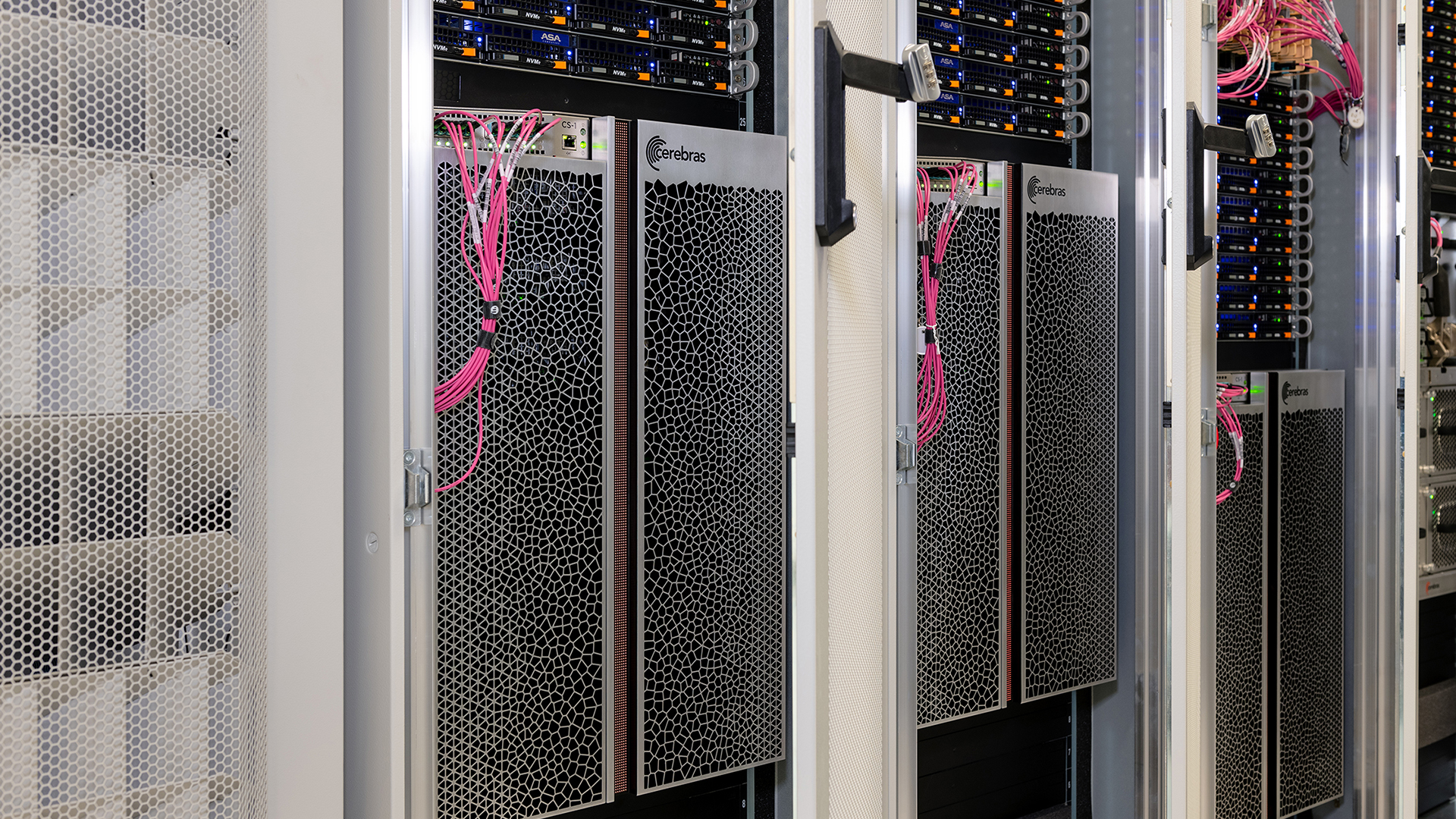
Enhancing the UK’s Leadership in High-Performance Computing: The Role of EPCC
The UK’s first National Supercomputing Centre, EPCC, affiliated with the University of Edinburgh, has been a pivotal player in advancing supercomputing technology in the country for over 30 years. Recently, EPCC has broadened its scope to include data science and artificial intelligence (AI), positioning itself as a leading force in the transformative technologies reshaping various sectors such as research, industry, and public services. As the designated National Supercomputing Centre, EPCC collaborates extensively with government bodies, educational institutions, and industry partners to drive the adoption of cutting-edge digital technologies and translate computing capabilities into tangible economic and societal benefits.
Empowering National Innovation through EPCC
Established in 1990 as the Edinburgh Parallel Computing Centre, EPCC has evolved into a national hub for innovation in advanced computing, data science, and AI. Its strategic role in shaping and implementing the UK government’s agenda underscores its commitment to translating groundbreaking research and infrastructure advancements into practical solutions, new services, and competitive advantages for the UK.
EPCC as the UK National Supercomputing Centre
In 2025, EPCC was officially designated as the UK’s inaugural National Supercomputing Centre, solidifying its position at the core of the national initiative outlined in the UK Compute Roadmap – a strategic roadmap aimed at establishing world-class supercomputing and AI infrastructure and expertise.
As part of a planned network of National Supercomputing Centres, EPCC acts as a focal point for innovation and knowledge exchange, facilitating collaborations across academia, industry, and the public sector. These Centres are instrumental in the UK’s ambition to lead globally in AI and high-performance computing, driving economic growth, transforming public services, and expediting the development and deployment of next-generation technologies. This approach builds on EPCC’s impressive track record of leveraging computing capabilities for real-world impact over three decades.
Driving AI Innovation with Pilot-UKAIFA
EPCC is actively contributing to bolstering the UK’s AI innovation ecosystem and re-engaging with the broader European HPC and AI community through the Pilot: UK AI Factory Antenna (Pilot-UKAIFA) initiative. This €10m (£8.6m) joint EU–UK venture, launched in 2025 and co-funded by the European High-Performance Computing Joint Undertaking, aims to establish 13 AI Factory Antennas across Europe to accelerate applied AI innovation and collaboration. EPCC’s participation in Pilot-UKAIFA enables UK businesses to access advanced computing and AI resources, engage in applied AI projects, and experiment with novel approaches in real-world scenarios.
EPCC’s Edinburgh International Data Facility (EIDF) serves as a critical component in this initiative, providing access to state-of-the-art AI technologies such as the Cerebras CS-3 Wafer-Scale Engines. This infrastructure supports innovative AI research and large-scale experimentation, positioning EPCC as a key player in advancing AI capabilities.
Facilitating National Computational Platforms for Innovation
EPCC’s contribution to the development, evolution, and operation of computational platforms underpinning UK research and innovation is commendable. The Centre has overseen the majority of the UK’s National High-Performance Computing Services, ensuring that cutting-edge systems deliver optimal value for scientific, engineering, and industrial endeavors.
ARCHER2: Empowering Advanced Research
The current National Supercomputing Service, ARCHER2, offers a high-impact environment for advanced research and innovation across various disciplines. With a robust infrastructure and user support system, EPCC enhances research capabilities, sustains software development, and broadens the societal relevance of supercomputing.
An independent analysis revealed that ARCHER2 contributed over £4.2bn to the UK economy during its operational phase, with the majority of the impact stemming from research and development activities conducted on the system.
Cirrus: A Vital National Compute Resource
The new Cirrus, a cutting-edge HPE Cray EX4000 system, is designed to support simulation, modeling, data science, and AI-driven innovation. A significant investment by UK Research and Innovation (UKRI) will expand Cirrus’s capacity, enhancing computational capabilities in the UK by over twofold. This resource plays a crucial role in fostering research and innovation nationwide.
Edinburgh International Data Facility (EIDF): A Hub for Data-Driven Innovation
EPCC’s Edinburgh International Data Facility serves as a premier research cloud supporting data-driven innovation. EIDF offers access to advanced AI technologies, including the Cerebras CS-3 Wafer-Scale Engines, facilitating large-scale AI research and experimentation. Additionally, EIDF provides secure Trusted Research Environments for projects utilizing sensitive data for public benefit.

Tursa: Enabling Extreme-Scale Computing for UK Physics
EPCC hosts Tursa, a GPU-based extreme-scaling system catering to the DiRAC consortium and supporting advanced computational science in the field of physics. This system plays a critical role in enabling groundbreaking discoveries at the frontier of computational science.
Collaboration, Research, and Economic Advancement
EPCC’s collaborative approach to advanced computational research addresses complex scientific and engineering challenges, driving impactful outcomes across various sectors. Notable partnerships, such as the VECTA UKRI Prosperity Partnership with Rolls-Royce, exemplify EPCC’s commitment to leveraging computational modeling and simulation for sustainable aviation fuel development.
Cultivating Future Talent and Skills
EPCC’s dedication to nurturing talent is evident through its PhD and MSc programs in high-performance computing, data science, and AI, tailored to meet industry demands. The Centre also offers internships, apprenticeships, and placements to support early-career professionals, ensuring the dissemination of best practices across the UK.
EPCC actively contributes to national initiatives aimed at enhancing digital skills, including the CAKE program and the UKRI Digital Research Technical Professional (dRTP) Skills NetworkPlus. Initiatives like CHARTED and DRIFT focus on improving training for HPC, research software engineering, and interdisciplinary collaboration.
Future Outlook
As the UK’s premier National Supercomputing Centre, EPCC remains committed to delivering robust national services while driving innovation across research, industry, and policy domains. With preparations underway to host the Next National Supercomputing Service as a successor to ARCHER2, EPCC continues to align its expertise, platforms, and partnerships with the UK Compute Roadmap, ensuring that advanced computing remains a cornerstone of UK competitiveness, scientific leadership, and long-term economic growth.
This article will feature in our upcoming HPC Special Focus Publication.












Lost in the Living Maze: Unraveling Hidden Terrain Magic Through Copy-Paste

Samsung Unveils Exclusive Galaxy Z Fold 8 BTS Edition

Navigating the Digital World: Expert Tech Advice for Everyman

OMass Therapeutics Secures €275 Million Funding to Advance Innovative Small-Molecule Therapies

The Evolution of Apple’s Smart Home Strategy: A Closer Look at Their Own Devices

Unveiling the Imposter: The Truth Behind the Fake WhatsApp Clone on the Play Store

Digital Protection: How a 1988 Law Could Safeguard Your Online Viewing Experience

BMW Unlocks Greater Range for i7 Model Through Innovative Technology

Modern Warfare 4: The Final Chapter and the Birth of a New COD Legacy

EU Takes Action Against Instagram and Facebook for Violating Illegal Content Rules

Warning: Facebook Creators Face Monetization Loss for Stealing and Reposting Videos

Facebook’s New Look: A Blend of Instagram’s Style

Facebook Compliance: ICE-tracking Page Removed After US Government Intervention

Facebook and Instagram to Reduce Personalized Ads for European Users

InstaDub: Meta’s AI Translation Tool for Instagram Videos

Reclaim Your Account: Facebook and Instagram Launch New Hub for Account Recovery

Meta discontinues Messenger apps for Windows and macOS

Breaking Updates: Meta Connect 2025 Unveils Latest Developments

$25,000 Gaming Setup – EVOLUTION!

The Maze Alpha X is HERE!

Cool Tech under $100 – December!

MYSTERY UNBOXING FROM GOOGLE!

TOP 6 Smartphones from Companies you NEVER Expected!

A Surprise Smartphone from EE!

DOOGEE MIX 2 VS DOOGEE MIX 1!

INCREDIBLE Smartphone Gadgets on Amazon!

10 Android Apps you NEED to try in 2017 / 2018
-
 Facebook12 months ago
EU Takes Action Against Instagram and Facebook for Violating Illegal Content Rules
-
 Facebook1 year ago
Warning: Facebook Creators Face Monetization Loss for Stealing and Reposting Videos
-
 Facebook10 months ago
Facebook’s New Look: A Blend of Instagram’s Style
-
 Facebook1 year ago
Facebook Compliance: ICE-tracking Page Removed After US Government Intervention
-
 Facebook10 months ago
Facebook and Instagram to Reduce Personalized Ads for European Users
-
 Facebook1 year ago
InstaDub: Meta’s AI Translation Tool for Instagram Videos
-
 Facebook11 months ago
Reclaim Your Account: Facebook and Instagram Launch New Hub for Account Recovery
-
 Apple12 months ago
Meta discontinues Messenger apps for Windows and macOS
