
Security
The Hidden Dangers of Unchecked Risk in Banking: A Yearlong Case Study

During April, a significant VPN vulnerability led to data breaches at over seventy financial institutions utilizing Marquis Software’s infrastructure. This incident, as reported by American Banker, highlighted the impact of a single vulnerability on a large scale. Despite the existence of a patch and recent penetration tests, the exposure persisted and spread across the institutions affected.
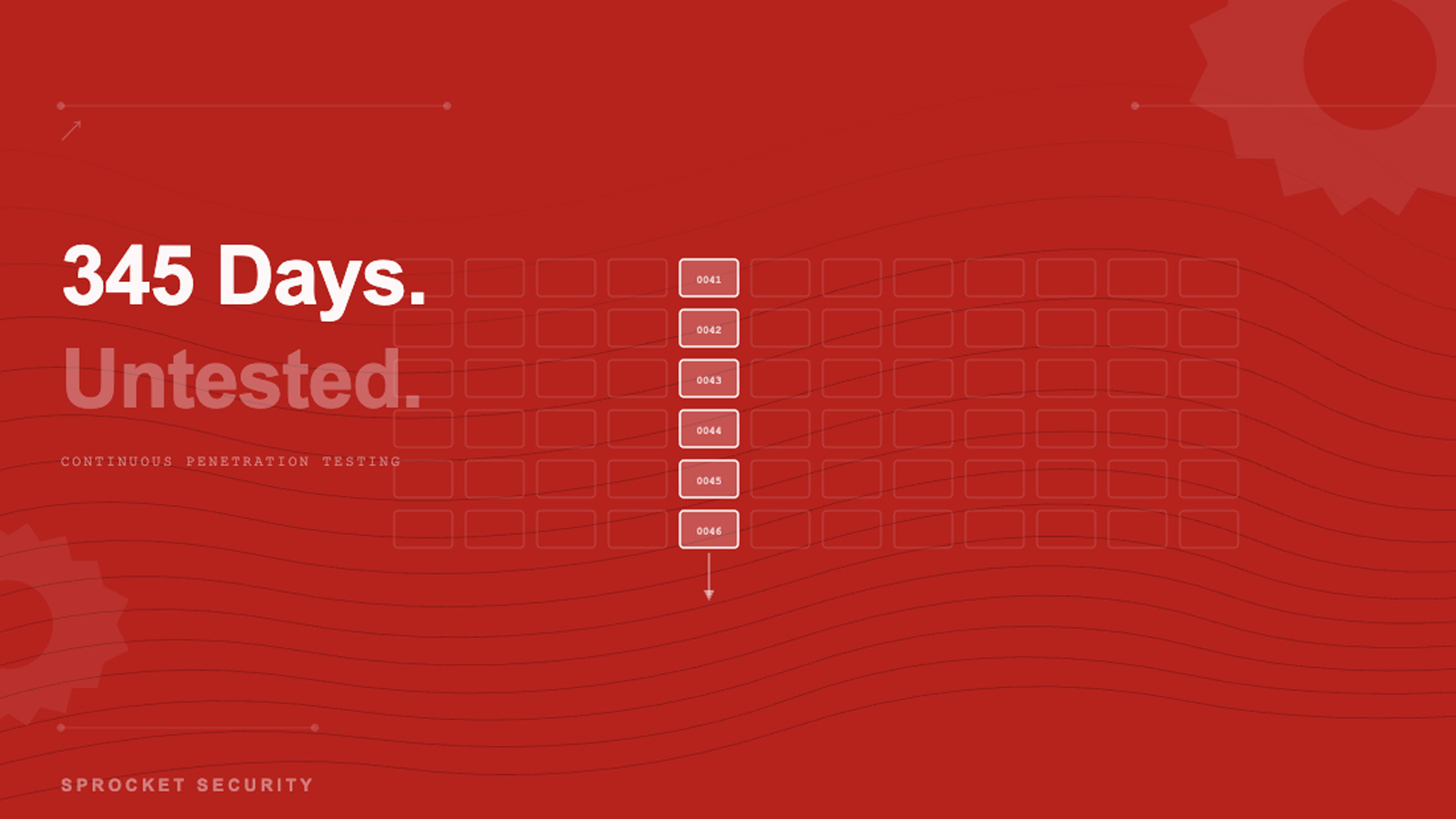
The vulnerability in the system lies in the gap between annual external penetration tests. While these tests typically last two to three weeks, they leave approximately 345 days of operational reality unvalidated, providing ample time for potential threats to exploit vulnerabilities.
According to Mandiant’s M-Trends 2026 report, the median dwell time for security breaches in 2025 was fourteen days, signifying a concerning trend. Furthermore, CrowdStrike’s 2026 Global Threat Report identified financial services as the fourth most targeted sector for interactive intrusions, highlighting the need for continuous vigilance.
Regulatory Standards and Testing Frequency
Regulatory bodies such as PCI DSS, FFIEC, and NYDFS emphasize the importance of penetration testing in their guidelines. However, the focus is shifting towards continuous testing rather than relying solely on annual assessments.
PCI DSS 4.0 Requirement 11.3.1 now mandates external penetration testing after significant infrastructure changes, recognizing the need for proactive security measures. Similarly, the FFIEC IT Examination Handbook views penetration testing as an ongoing process integral to vulnerability management, not just a one-time event. NYDFS Section 500.05 also requires annual testing alongside continuous monitoring to adapt to evolving threats.
These regulatory frameworks acknowledge the dynamic nature of modern banking infrastructure, shaped by digital transformations, cloud migrations, fintech integrations, and M&A activities. The focus is no longer on annual testing but on testing the evolving attack surface effectively.
Financial institutions operate in a constantly changing environment, necessitating continuous testing to stay ahead of emerging threats.
Discover how continuous testing aligns with regulatory expectations and enhances security measures.
Build the Business Case
Case Study: The Impact of Gaps in Testing
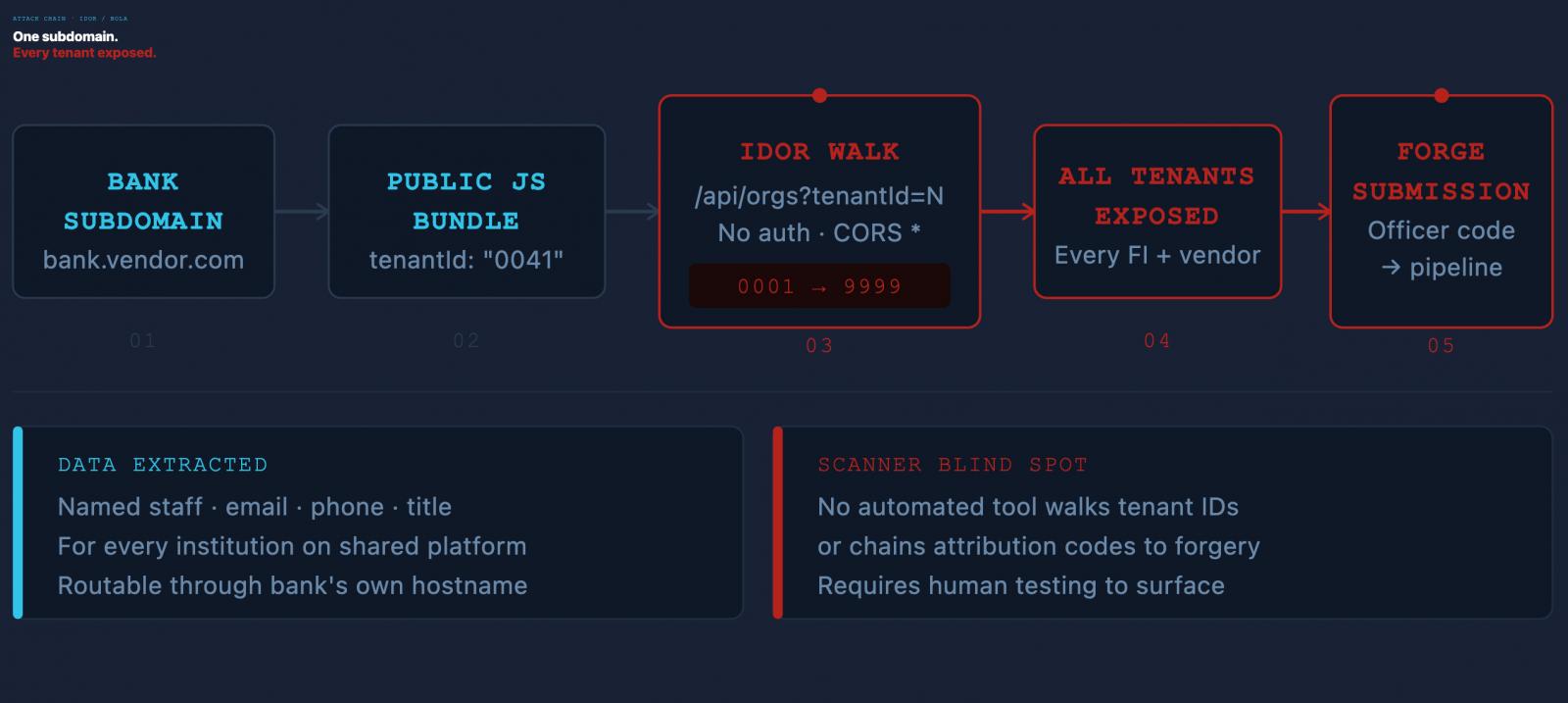
An engagement at a regional bank revealed a critical vulnerability in a customer-facing mortgage origination portal operated by a third-party vendor but fronted by the bank’s subdomain. This vulnerability allowed unauthorized access to sensitive information, posing a significant risk to data security.
The exposure stemmed from an API endpoint with lax security measures, enabling the extraction of confidential data from multiple financial institutions using the same platform. The breach could lead to fraudulent activities and compliance issues, highlighting the importance of thorough and continuous testing.
Benefits of Continuous Testing
Continuous testing addresses the limitations of annual testing by actively monitoring and assessing the evolving attack surface. By identifying vulnerabilities in real-time and responding promptly, institutions can mitigate risks effectively.
Automation plays a vital role in surfacing potential threats, but human intervention is essential to validate and understand the true impact of vulnerabilities. Continuous testing ensures that security measures align with the current infrastructure and address emerging threats proactively.
Adopting a continuous testing model, as advocated by Sprocket Security, enables institutions to stay ahead of evolving threats and maintain compliance with regulatory standards.
Closing the Gap: Embracing Continuous Testing
The 345-day gap in traditional annual testing models underscores the need for a paradigm shift towards continuous testing. By prioritizing ongoing assessments that align with infrastructure changes, institutions can enhance their security posture and protect against evolving threats effectively.
In conclusion, the key to robust cybersecurity in the financial sector lies in embracing continuous testing practices that adapt to the dynamic nature of modern banking infrastructure.
Explore how continuous testing can strengthen your security framework in the financial industry.
Presented by Sprocket Security.










The Affordable Next-Gen Xbox: Debunking the $1,800 Price Tag

Revelation: A New Dawn in the Helldivers Universe

Battery Life Halved by Garmin’s New Voice Controls

Revolutionizing Energy: The Future of Next-Gen Battery Life

Warhound Secures $200M Investment to Develop Advanced Military Canines Equipped with Anduril Technology

No, the iPhone Duo isn’t a miniature device

Rebirth of Resilience: The Evolution of Crisis Management in the Digital Age

Australian Court Rules Against Apple’s App Store Monopoly

MY NEW CAR?! (Q&A)

EU Takes Action Against Instagram and Facebook for Violating Illegal Content Rules

Warning: Facebook Creators Face Monetization Loss for Stealing and Reposting Videos

Facebook’s New Look: A Blend of Instagram’s Style

Facebook Compliance: ICE-tracking Page Removed After US Government Intervention

Facebook and Instagram to Reduce Personalized Ads for European Users

InstaDub: Meta’s AI Translation Tool for Instagram Videos

Reclaim Your Account: Facebook and Instagram Launch New Hub for Account Recovery

Meta discontinues Messenger apps for Windows and macOS

Breaking Updates: Meta Connect 2025 Unveils Latest Developments
MY NEW CAR?! (Q&A)

Should you buy your Smartphones Refurbished!?

6 Amazing SECRET Android Launchers (2017 / 2018)

6 Value for Money Tech Products you NEED to try!

iPhone X Helicopter 1200ft Drop Test!! + Mous Case Review

7 UNBELIEVABLE Smartphone Magic Tricks!

Oneplus 5T vs Oneplus 1 – 3 Years Later.

Top 20 BEST Smartphones of 2017!

5 Amazing Upcoming Smartphone Features – 2018 / 2019
-
 Facebook12 months ago
EU Takes Action Against Instagram and Facebook for Violating Illegal Content Rules
-
 Facebook1 year ago
Warning: Facebook Creators Face Monetization Loss for Stealing and Reposting Videos
-
 Facebook11 months ago
Facebook’s New Look: A Blend of Instagram’s Style
-
 Facebook1 year ago
Facebook Compliance: ICE-tracking Page Removed After US Government Intervention
-
 Facebook11 months ago
Facebook and Instagram to Reduce Personalized Ads for European Users
-
 Facebook1 year ago
InstaDub: Meta’s AI Translation Tool for Instagram Videos
-
 Facebook11 months ago
Reclaim Your Account: Facebook and Instagram Launch New Hub for Account Recovery
-
 Apple1 year ago
Meta discontinues Messenger apps for Windows and macOS
