
Inovation
Revolutionizing Fiber Optics: The Future of Multicore Technology

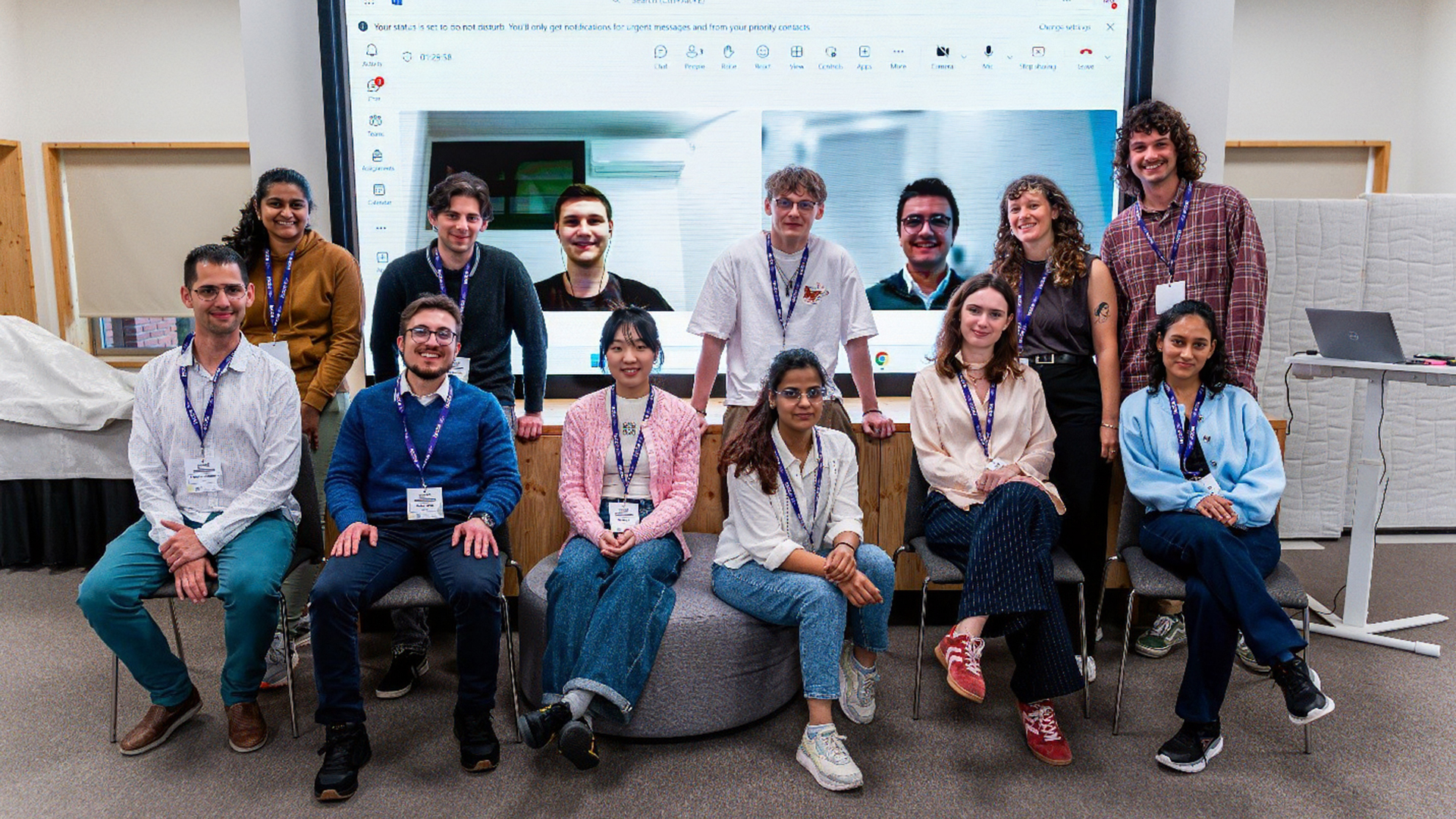
The MATCH project is a European doctoral training network focused on advancing multicore fiber technologies through collaboration among 14 academic and industrial partners. This project aims to address the increasing global data traffic driven by artificial intelligence, cloud computing, video streaming, 5G networks, and the Internet of Things by developing communication infrastructures with greater transmission capacity, reduced energy consumption, and optimized network resources.
Multicore fiber (MCF) technology is highlighted as a promising solution, enabling parallel transmission channels within a single fiber to significantly increase communication capacity while remaining compatible with existing optical network infrastructures. MCFs also offer opportunities in distributed sensing applications like environmental monitoring, fire detection, seismic activity monitoring, and structural health assessment.
The project, known as MATCH (Multicore fiber Applications and TeCHnologies), is funded by the European Commission under Horizon Europe and coordinated by Professor Adolfo Cartaxo at Iscte – Instituto Universitário de Lisboa. It brings together academic and industrial expertise to advance MCF technologies and train the next generation of researchers and innovators in this field.
The consortium consists of 14 partners, including academic institutions and industrial organizations, working across the entire innovation chain. Industrial partners such as Heraeus Covantics, Nokia/Infinera Portugal, Draka/Prysmian, and FBGS International contribute to the project through secondments, collaborative research activities, technical workshops, and participation in the Industrial Advisory Board.
The research program of MATCH focuses on three main scientific pillars: fiber design and manufacture, advanced MCF-based components and subsystems, and systems, networks, and applications. The goal is to develop next-generation MCF technologies that can enhance transmission capacities, reduce energy consumption, and improve infrastructure efficiency.
The project aims to train 13 doctoral candidates in optical communications and photonics, equipping them with multidisciplinary knowledge, technical skills, and international experience. The doctoral research projects cover various aspects of MCF technology, from fiber design and fabrication to systems, networks, and applications.
Training activities include access to top laboratories and testbed facilities, technical workshops, and practical skills development. The project also emphasizes cross-disciplinary methods and hands-on experience to enhance the employability prospects of the doctoral candidates in academia and industry.
MATCH has already organized workshops, symposia, and training events to facilitate collaboration and knowledge sharing among researchers, experts, and industrial partners. The project’s strong dissemination strategy aims to engage wider research, industrial, and innovation communities and strengthen Europe’s leadership in advanced optical communications.
By developing both cutting-edge technologies and highly skilled researchers, MATCH is contributing to Europe’s digital future and shaping the next generation of communication networks. The project is supported by funding from the European Union’s Horizon Europe Research and Innovation Programme under the Marie Skłodowska-Curie Grant Agreement No. 101169370.










Behind the Scenes: Inside the Departure of General Motors Australia’s Former Leader

Microsoft Emphasizes Human Importance Over AI Amid Safety Worries

Dosa Divas’ Family Dinner Makeover: Elevating the Cooking Experience

Foldable Showdown: Galaxy Z Fold 8 vs iPhone Duo – A Closer Look at Their Top 4 Advantages

Apple’s Missed Opportunity: Why Samsung Couldn’t Seize the Moment

Freya Secures €533k Funding for Expansion Across Europe

Experience the Future: macOS 27 Now Released!

Enhanced iPhone Compatibility: Exploring New Features and Upgrades

How to Love your Android Phone again.

EU Takes Action Against Instagram and Facebook for Violating Illegal Content Rules

Warning: Facebook Creators Face Monetization Loss for Stealing and Reposting Videos

Facebook Compliance: ICE-tracking Page Removed After US Government Intervention

Facebook’s New Look: A Blend of Instagram’s Style

Facebook and Instagram to Reduce Personalized Ads for European Users

InstaDub: Meta’s AI Translation Tool for Instagram Videos

Reclaim Your Account: Facebook and Instagram Launch New Hub for Account Recovery

Meta discontinues Messenger apps for Windows and macOS

Breaking Updates: Meta Connect 2025 Unveils Latest Developments
How to Love your Android Phone again.

The LG G7 has a Big Problem.

The most Beautiful Android Games you’ve never played.

Charge your Smartphone in 5 Minutes – How Batteries are about to Change!

10 CHEAP Smartphone Gadgets that Change Everything.

Huawei Mobile Cloud – The Huawei P20 Feature you didn’t know about!

PUBG MOBILE on Android – Disastrous or Revolutionary?

Why you should buy the Galaxy S8 right now.

Customize your Android Smartphone!
-
 Facebook11 months ago
EU Takes Action Against Instagram and Facebook for Violating Illegal Content Rules
-
 Facebook11 months ago
Warning: Facebook Creators Face Monetization Loss for Stealing and Reposting Videos
-
 Facebook11 months ago
Facebook Compliance: ICE-tracking Page Removed After US Government Intervention
-
 Facebook9 months ago
Facebook’s New Look: A Blend of Instagram’s Style
-
 Facebook9 months ago
Facebook and Instagram to Reduce Personalized Ads for European Users
-
 Facebook11 months ago
InstaDub: Meta’s AI Translation Tool for Instagram Videos
-
 Facebook9 months ago
Reclaim Your Account: Facebook and Instagram Launch New Hub for Account Recovery
-
 Apple11 months ago
Meta discontinues Messenger apps for Windows and macOS
