
Tech News
Why I’m Saying Goodbye to Under-Display Fingerprint Scanners

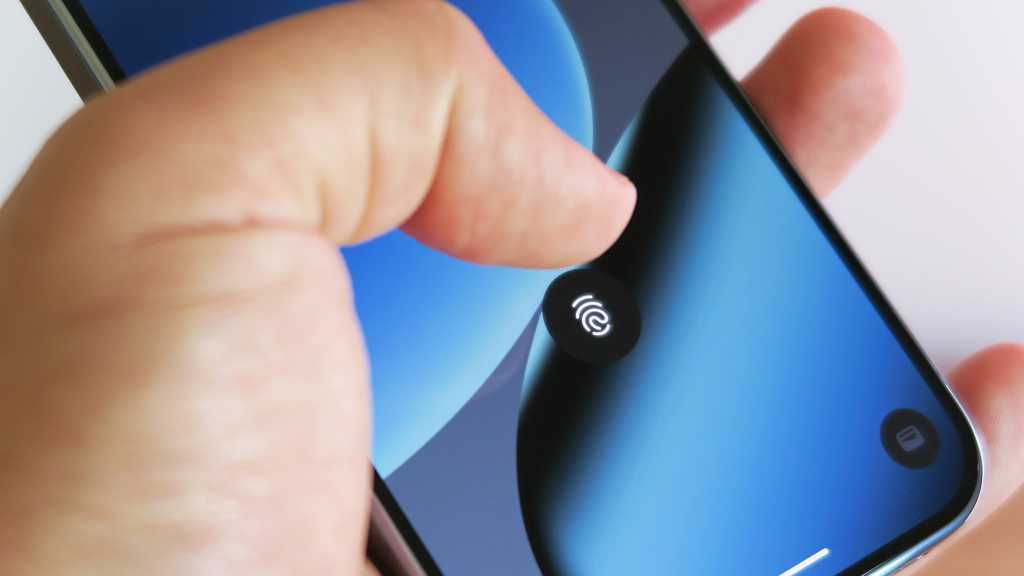
Switching to the Galaxy Z Fold 7 two months ago was a decision I made reluctantly. The main driving force behind this decision was Samsung’s One UI 8, which offered key features that helped me control my doomscrolling habits.
However, the expected compromises compared to non-folding smartphones, such as the loss of an under-display fingerprint sensor, were not particularly appealing. The dual-screen design of book-style foldables made it highly impractical, leading to the Galaxy Z Fold 7 integrating a physical fingerprint sensor into the power button instead.
Surprisingly, the physical fingerprint sensor turned out to be a significant upgrade rather than a downgrade. It made unlocking my phone, logging into apps, and authenticating payments a much easier and smoother process compared to my frustrating experience with under-display versions.
Mattias Inghe
This experience led me to question why we are still persisting with under-display sensors when physical sensors are clearly superior. In the eight years since their introduction, progress in under-display sensors has been slow.
After using the Galaxy Z Fold 7 for more than a couple of months, I strongly believe it’s time to abandon under-display fingerprint scanners on all phones, not just foldables and budget models. Here are five key reasons why.
Under-display sensors are simply not up to par
If under-display fingerprint scanners were as fast and reliable as physical ones, there would be no competition. The convenience of having it right in front of you is unmatched.
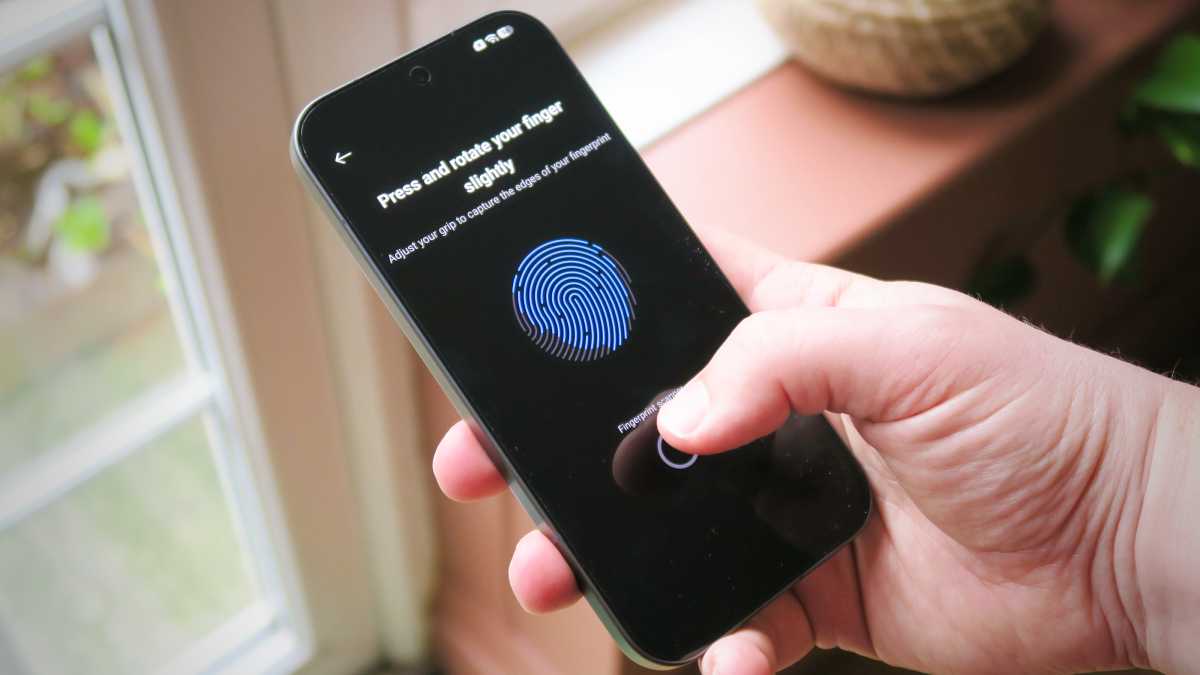
However, the reality is far from that. In my experience of reviewing numerous Android phones, the reliability of under-display scanners varies significantly. Some scanners unlock my phone less than half the time, while others are more reliable, but overall, they cannot be trusted.
…if your fingers are a bit sweaty, or god forbid, you spill water on your screen, you can basically forget about getting into your phone
Foundry | Alex Walker-Todd
In addition, if your fingers are slightly sweaty or you accidentally spill water on your screen, accessing your phone becomes nearly impossible. These issues have persisted for years, with no proper solutions provided by any company.
While ultrasonic scanners are generally faster and more reliable than optical ones, they also have their share of issues. I find it hard to rely on them, especially when I need quick access to my phone.
Moreover, these unreliable under-display scanners pose a significant challenge when it comes to authenticating payments, logging into apps, or accessing passwords. This subpar experience remains a common pain point for me when using an Android phone, and I see no improvement in sight.
Apple’s avoidance of under-display sensors speaks volumes
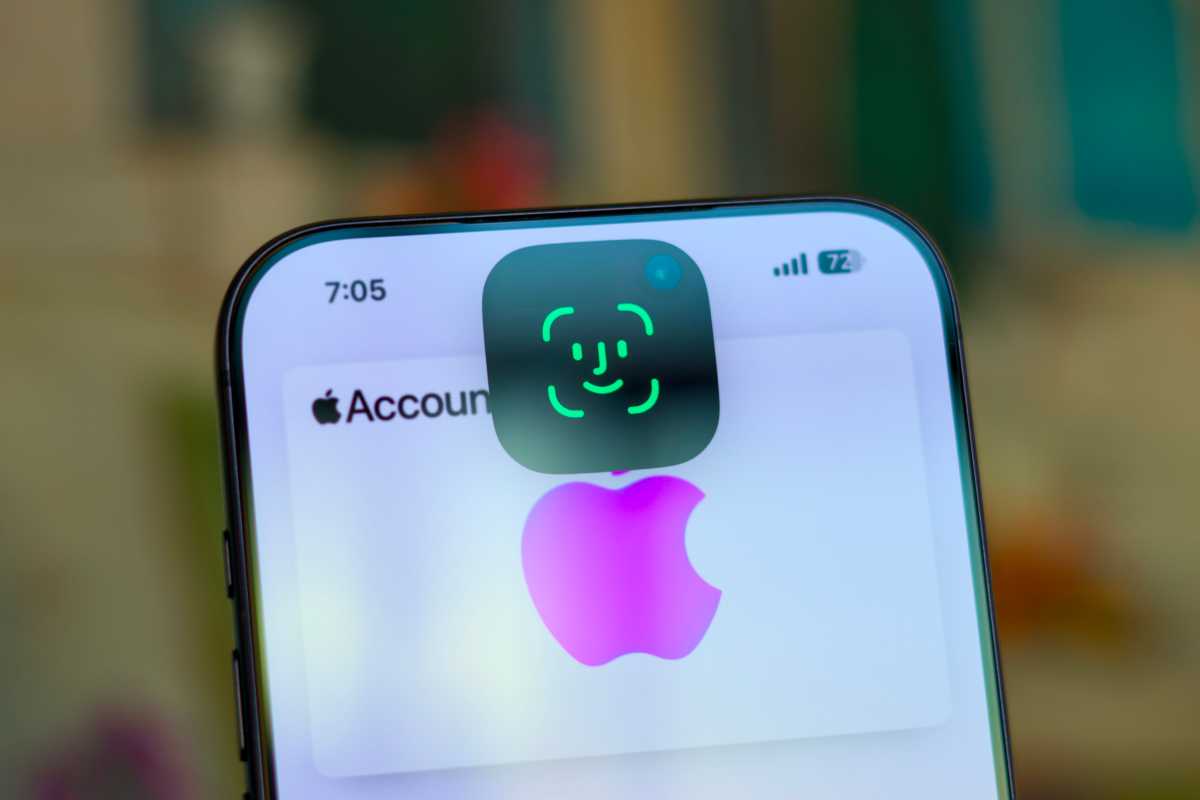
Given the issues with under-display sensors, it’s not surprising that Apple has steered clear of them thus far. After replacing the Touch ID physical fingerprint scanner on the front of the iPhone with the secure Face ID in 2017, Apple has never looked back.
Unlike many companies that often introduce better under-display fingerprint sensors later on, Apple has chosen to avoid them altogether. This decision highlights that under-display sensors have not met the quality standard required by Apple. When Face ID offers a fast, secure alternative that works even in low-light conditions, there is little need to supplement it with a subpar alternative.
Mahmoud Itani / Foundry
Apple’s decision to integrate an updated version of Touch ID into some iPad models by placing it in the power button rather than under the display aligns with the company’s ‘it just works’ philosophy, which cannot be said for in-screen scanners. While Apple may not always be right, I believe the Android phone market should follow its lead in this regard.
Secure face unlock is gaining popularity
The absence of an under-display fingerprint sensor on iPhones indicates the effectiveness of modern face unlocking methods. Face ID surpasses basic face unlock systems that can be tricked by photos or similar-looking individuals, such as twins. It utilizes an infrared camera to project dots onto the face, creating a detailed map for enhanced security and reliability.
While Face ID was initially unique to Apple, Android phone manufacturers like Honor and Oppo are now incorporating similar technologies. Google has also introduced its secure face unlocking method since the Pixel 8, which is secure enough to replace fingerprint scanners for sensitive tasks like banking app logins and payment authentication.
With more phones featuring secure face unlock options, the possibility of fingerprint scanners becoming obsolete is not far off. In the meantime…
Physical scanners can be discreet
A decade ago, having a fingerprint scanner on a phone was a noticeable feature. However, times have changed, and companies have integrated fingerprint sensors into power buttons, allowing them to blend seamlessly into the phone’s design. Placing the sensor where the finger naturally rests avoids any awkward finger movements to reach it.
Unlike physical scanners, under-display sensors are often hard to ignore, making them less discreet. The trend of integrating fingerprint sensors into power buttons is likely to continue, offering a long-term solution that seamlessly fits into the background when not in use.
Cost-saving potential
In the current smartphone landscape, pricing is a major concern. The ongoing global RAM shortage and increasing demand from AI data centers have driven up prices and put pressure on manufacturers. To save money on manufacturing costs, transitioning from under-display sensors to physical sensors is a straightforward solution, with Intel Market Research suggesting a cost saving of 25-30%.
By making this switch, companies can save significant money while enhancing the overall user experience. It’s a logical decision that offers both financial benefits and improved functionality.
The sunk-cost fallacy
Eight years after their introduction, under-display fingerprint sensors continue to fall short. While they appear sleek and impressive when they work, reliability issues often force users to seek alternative unlocking methods. With physical sensors and secure face unlocking options available, there is no need to persist with a costly and less reliable technology.
Experimenting with under-display sensors was necessary, but it’s evident that the technology has not progressed significantly. It’s time to move on and embrace alternatives that offer a better user experience. If under-display fingerprint sensors do become obsolete, I won’t mourn their loss, as the alternatives make much more sense.









Farewell to the BMW i4: A Final Goodbye in the U.S.

Monstrous Rolla: A B-Movie-Inspired Katamari Adventure Coming This Month

The Lingering Threat of Android’s Texting Privacy Concerns – Tech Advisor

Broken Phones, Stolen Devices: Navigating Your Choices

Cognition’s $48B Valuation Reflects Growing Investor Confidence in Diverse AI Market Potential

Apple’s ‘Fold’ Revolution: Embracing Versatility in a World of Width

Unlocking the Secrets of Apple’s Event: Three Simple Ways to Tune In Tomorrow

Ford Australia: Recalls and Brand Resilience

Microsoft Sets New Patch Tuesday Record with Latest Updates

EU Takes Action Against Instagram and Facebook for Violating Illegal Content Rules

Warning: Facebook Creators Face Monetization Loss for Stealing and Reposting Videos

Facebook’s New Look: A Blend of Instagram’s Style

Facebook Compliance: ICE-tracking Page Removed After US Government Intervention

Facebook and Instagram to Reduce Personalized Ads for European Users

InstaDub: Meta’s AI Translation Tool for Instagram Videos

Reclaim Your Account: Facebook and Instagram Launch New Hub for Account Recovery

Meta discontinues Messenger apps for Windows and macOS

Breaking Updates: Meta Connect 2025 Unveils Latest Developments

12 Incredible Android SECRETS, TIPS and TRICKS

The Ultimate Smartphone Camera Comparison.

Top 10 Android Launchers you’ve NEVER tried.

Our Bezel-less future! Q&A 5.0

The $200 OnePlus phone? Lenovo S5 is HERE!

OnePlus 6 vs Samsung Galaxy S9 Plus

Honor 10 UNBOXING!

OnePlus 6 vs iPhone X Camera Test Comparison

MYSTERY Package from Xiaomi – MASSIVE UNBOXING!
-
 Facebook11 months ago
EU Takes Action Against Instagram and Facebook for Violating Illegal Content Rules
-
 Facebook11 months ago
Warning: Facebook Creators Face Monetization Loss for Stealing and Reposting Videos
-
 Facebook9 months ago
Facebook’s New Look: A Blend of Instagram’s Style
-
 Facebook11 months ago
Facebook Compliance: ICE-tracking Page Removed After US Government Intervention
-
 Facebook9 months ago
Facebook and Instagram to Reduce Personalized Ads for European Users
-
 Facebook11 months ago
InstaDub: Meta’s AI Translation Tool for Instagram Videos
-
 Facebook9 months ago
Reclaim Your Account: Facebook and Instagram Launch New Hub for Account Recovery
-
 Apple11 months ago
Meta discontinues Messenger apps for Windows and macOS
