
Inovation
The Rise of Biometrics: The End of Passwords

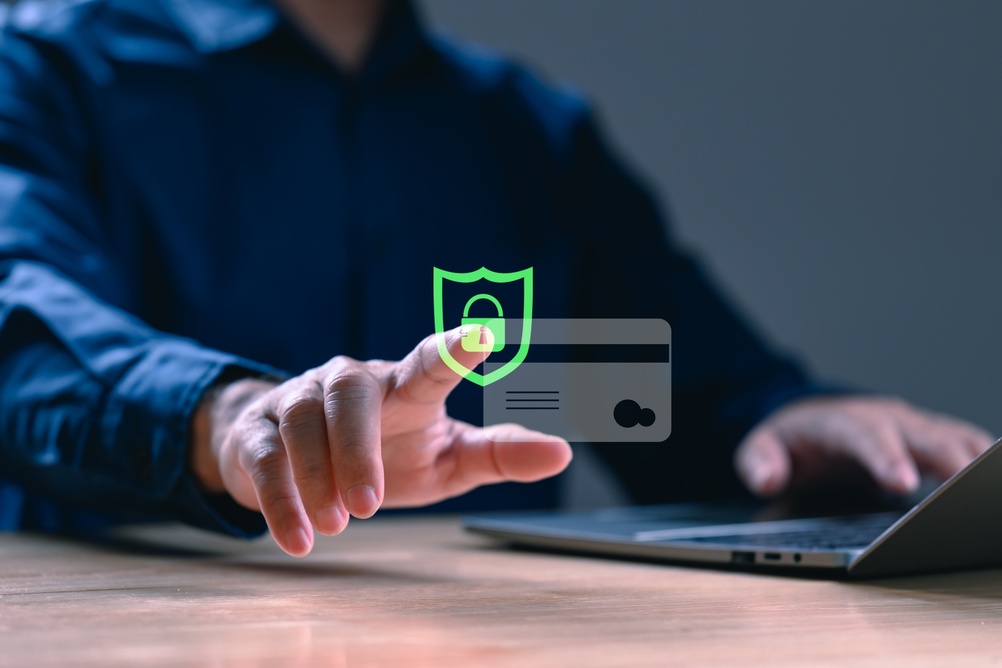
Enhancing Banking Security with Biometric Technologies
In today’s digital landscape, the threat of cybercrime looms large, especially for financial institutions. Passwords have long been the primary line of defense, but they are increasingly vulnerable to sophisticated attacks. To counter this, a more robust layer of biometric security is now essential to safeguard banking data and ensure privacy.
While passwords have served their purpose for decades, they were never designed for the complexities of the digital economy. With individuals managing numerous online accounts across various devices, the risks associated with password reuse, predictability, and insecure storage methods have become more apparent. Cybercriminals exploit these weaknesses through methods like phishing attacks and data breaches, leading to identity theft and financial fraud.
As the financial sector transitions to mobile and cloud-based banking, the need for stronger and more user-friendly authentication methods has become paramount. Biometric banking security is at the forefront of this transformation, shifting the focus from what customers know (like passwords) to what they possess (trusted devices) and who they are (biometric identifiers like fingerprints or facial features).
The Limitations of Passwords in a Digital World
Despite their widespread use, passwords are not without flaws. Password reuse across multiple services makes users vulnerable to credential stuffing attacks. Phishing tactics have evolved to trick users into revealing login credentials, while brute-force attacks can crack weak passwords rapidly. Complex password requirements often lead to user frustration and insecure practices like writing down passwords.
Recognizing these challenges, cybersecurity experts are reimagining authentication methods from the ground up.
Introducing Passkeys: A New Paradigm in Security
Passkeys represent a significant advancement in authentication technology, aiming to address the weaknesses of traditional passwords. Instead of relying on user memory, passkeys leverage public key cryptography. During registration, a unique pair of cryptographic keys is generated, with the private key securely stored on the user’s device. This approach eliminates the need for transmitting passwords, making it highly resistant to phishing attacks.
Passkeys are designed to enhance security without compromising user experience. Major tech companies have integrated passkey support into their systems, allowing for seamless and secure authentication using biometric systems or PINs.
The Role of Biometrics in Passwordless Banking
While passkeys eliminate the need for traditional passwords, biometrics play a crucial role in verifying the user’s identity. Fingerprint and facial recognition technologies have become common forms of biometric verification, offering secure and convenient authentication methods.
Modern biometric templates are stored within dedicated hardware security components, ensuring that sensitive biometric data is protected. This approach enhances security while maintaining user privacy.
Behavioral Biometrics: The Invisible Security Layer
Behavioral biometrics have emerged as a sophisticated security measure that analyzes a user’s natural interactions with their device. By creating a unique digital profile based on habits and behaviors, this technology offers continuous authentication throughout a banking session, detecting any deviations from established patterns.
Behavioral biometrics operate in the background, seamlessly verifying the user’s identity without disrupting their banking experience.
Continuous Authentication: A New Era of Trust
Continuous authentication represents a paradigm shift in cybersecurity, moving from one-time identity checks to ongoing verification based on multiple signals. Factors like typing cadence, device handling, and transaction history are continuously evaluated to ensure the legitimacy of user activity.
Artificial intelligence plays a critical role in interpreting these signals, enabling financial institutions to detect anomalies and respond to suspicious activity in real time.
Evolving Multi-Factor Authentication
Multi-factor authentication is evolving to incorporate contextual information and adaptive authentication. By adjusting authentication requirements based on perceived risk levels, banks can strike a balance between security and usability, reducing unnecessary authentication requests for routine activities.
Adaptive authentication enhances security while improving the user experience, ultimately reducing operational costs associated with fraud investigations.
The Role of Artificial Intelligence in Fraud Detection
Artificial intelligence is revolutionizing fraud detection by analyzing vast amounts of data to identify patterns and relationships. Machine learning models can distinguish genuine customer activity from suspicious behavior, enhancing the accuracy of fraud detection systems.
AI-powered systems provide an additional layer of intelligence, enabling financial institutions to detect emerging fraud techniques and respond proactively.
Biometric Security: Balancing Convenience and Protection
While security is paramount, banks also prioritize convenience for customers. Biometric authentication offers a seamless user experience, with fingerprint or facial scans providing quick access to banking services.
Behind the scenes, complex encryption, device integrity checks, and AI-powered risk assessments ensure robust protection without compromising user convenience.
Challenges and Future Trends in Biometric Security
Biometric technologies, while highly secure, are not without challenges. Presentation attacks and evolving fraud techniques pose ongoing threats, driving the need for advanced liveness detection to confirm the authenticity of biometric samples.
As biometric security continues to evolve, the focus will be on identifying and countering sophisticated attempts to deceive authentication systems.
Regulatory Landscape and Privacy Concerns
Regulatory frameworks like GDPR and the EU AI Act are shaping the future of biometric banking security, emphasizing the importance of privacy, transparency, and data protection. Compliance with these regulations is crucial for financial institutions to maintain public trust and confidence.
As the industry moves towards secure and interoperable digital identity ecosystems, the integration of cryptography, biometrics, AI, and privacy principles will define the future of banking security.
Conclusion: The Path to a Passwordless Future
The transition away from passwords towards intelligent authentication systems is well underway in the banking sector. Multimodal biometrics, continuous authentication, and AI-driven fraud detection are shaping the future of security in financial services.
As banks strive to build trust with customers, the focus remains on enhancing security while delivering seamless digital experiences. The future of banking security lies in intelligent authentication systems that adapt to emerging threats and provide customers with confidence in their financial transactions.













Behind the Scenes: Inside the Departure of General Motors Australia’s Former Leader

Microsoft Emphasizes Human Importance Over AI Amid Safety Worries

Dosa Divas’ Family Dinner Makeover: Elevating the Cooking Experience

Foldable Showdown: Galaxy Z Fold 8 vs iPhone Duo – A Closer Look at Their Top 4 Advantages

Apple’s Missed Opportunity: Why Samsung Couldn’t Seize the Moment

Freya Secures €533k Funding for Expansion Across Europe

Experience the Future: macOS 27 Now Released!

Enhanced iPhone Compatibility: Exploring New Features and Upgrades

How to Love your Android Phone again.

EU Takes Action Against Instagram and Facebook for Violating Illegal Content Rules

Warning: Facebook Creators Face Monetization Loss for Stealing and Reposting Videos

Facebook Compliance: ICE-tracking Page Removed After US Government Intervention

Facebook’s New Look: A Blend of Instagram’s Style

Facebook and Instagram to Reduce Personalized Ads for European Users

InstaDub: Meta’s AI Translation Tool for Instagram Videos

Reclaim Your Account: Facebook and Instagram Launch New Hub for Account Recovery

Meta discontinues Messenger apps for Windows and macOS

Breaking Updates: Meta Connect 2025 Unveils Latest Developments
How to Love your Android Phone again.

The LG G7 has a Big Problem.

The most Beautiful Android Games you’ve never played.

Charge your Smartphone in 5 Minutes – How Batteries are about to Change!

10 CHEAP Smartphone Gadgets that Change Everything.

Huawei Mobile Cloud – The Huawei P20 Feature you didn’t know about!

PUBG MOBILE on Android – Disastrous or Revolutionary?

Why you should buy the Galaxy S8 right now.

Customize your Android Smartphone!
-
 Facebook11 months ago
EU Takes Action Against Instagram and Facebook for Violating Illegal Content Rules
-
 Facebook11 months ago
Warning: Facebook Creators Face Monetization Loss for Stealing and Reposting Videos
-
 Facebook11 months ago
Facebook Compliance: ICE-tracking Page Removed After US Government Intervention
-
 Facebook9 months ago
Facebook’s New Look: A Blend of Instagram’s Style
-
 Facebook9 months ago
Facebook and Instagram to Reduce Personalized Ads for European Users
-
 Facebook11 months ago
InstaDub: Meta’s AI Translation Tool for Instagram Videos
-
 Facebook9 months ago
Reclaim Your Account: Facebook and Instagram Launch New Hub for Account Recovery
-
 Apple11 months ago
Meta discontinues Messenger apps for Windows and macOS
