
Cars
Unleashing the Legacy: The BMW M Car that Changed Everything

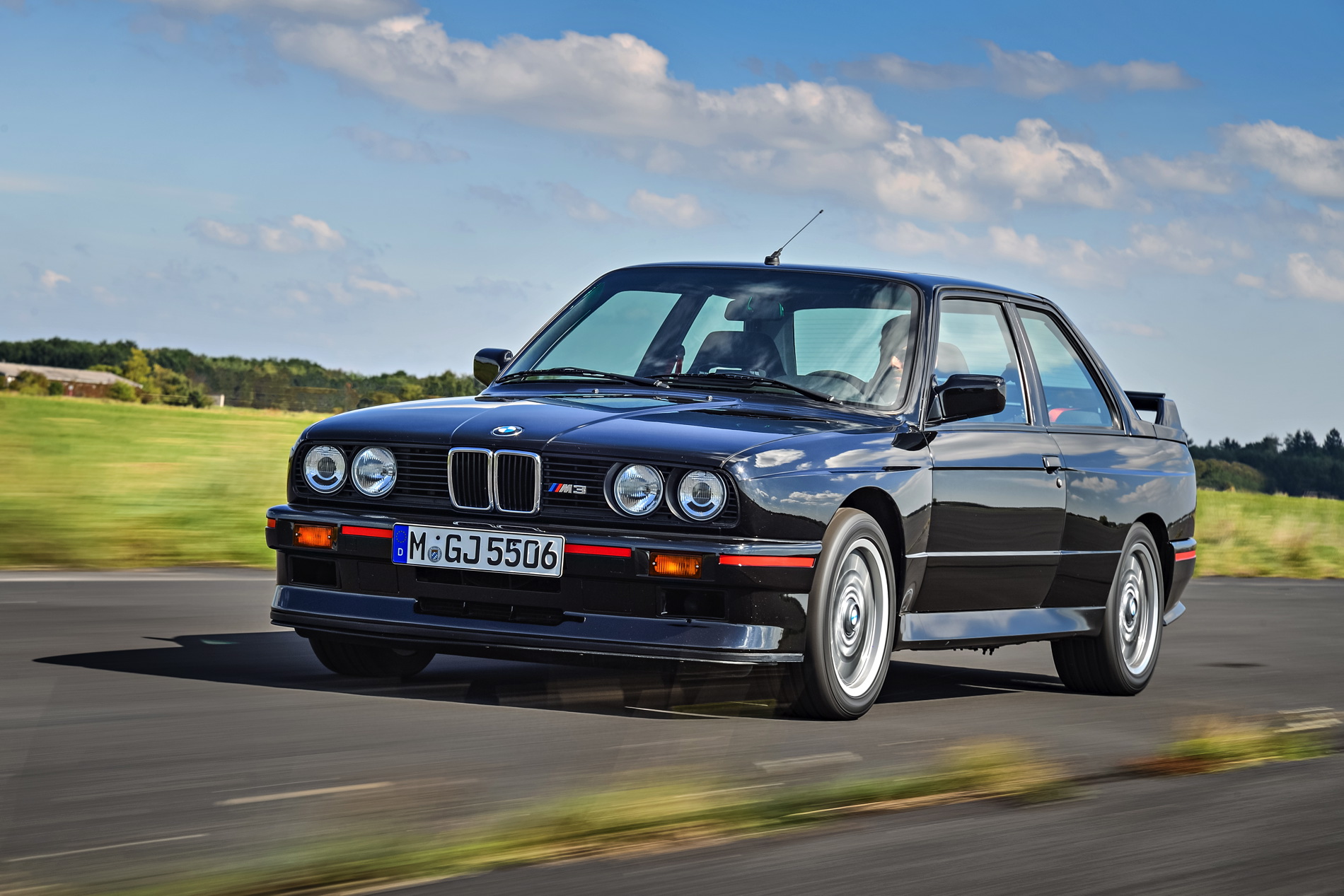
The BMW M3 E30: A Game-Changer in Automotive History
Article Summary
- The E30 M3 showcased the power of intelligent engineering over raw power. With its 195 hp naturally aspirated 2.3-liter four-cylinder engine in a lightweight 1,200 kg chassis, it set the standard for all M cars that followed.
- From dominating racing circuits like the WTCC, DTM, British Touring Car Championship, and 24 Hours of Spa to its production of up to 360 hp in race trim, the E30 M3 was virtually unbeatable, bridging the gap between road and race cars.
- With nearly 18,000 units sold worldwide, the E30 M3 garnered widespread acclaim, from being gifted by Jay Z to DJ Khaled to collaborations with brands like Kith, showcasing its status as a cultural icon.
The BMW M3 E30 made its debut in 1986 and revolutionized the automotive industry. Despite not being the fastest or most powerful car, it redefined the essence of BMW M and set a new standard for performance vehicles.
The genesis of the E30 M3 lay in BMW M’s need for a homologation car for the DTM series, leading to the creation of a road car focused on performance rather than just dropping a race engine into a regular 3 Series. The result was a meticulously engineered machine that became the blueprint for future M cars.
Origins in 1986
Introduced in 1982, the E30 3 Series lacked an M variant until the E30 M3’s arrival. Built to meet Group A regulations, the E30 M3 featured a lightweight chassis and a potent 2.3-liter four-cylinder engine, setting new standards for compact sport sedans.
The iconic 2.3-liter engine, with its 16 valves and 195-200 hp output, defined the E30 M3’s performance. The addition of a convertible variant in 1988 further showcased the platform’s versatility while maintaining its engineering excellence.
The Powertrain Revolution
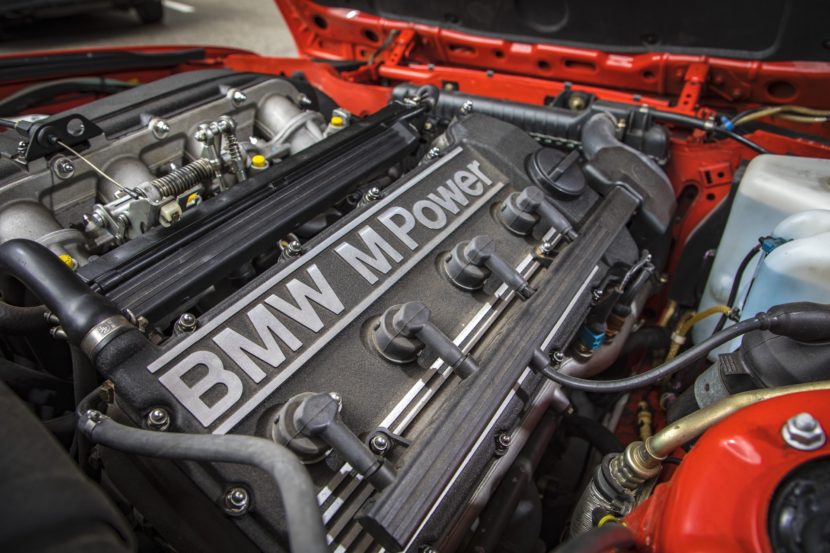
The E30 M3’s 2.3-liter S14 engine was a marvel of engineering, delivering 195-200 hp with precision and efficiency. Its performance characteristics, including independent cam timing, forged pistons, and titanium valve springs, set it apart from contemporary engines.
The engine’s exhilarating power delivery, coupled with its distinctive exhaust note and high-revving nature, made the E30 M3 a standout performer. Achieving 0-100 km/h in 6.7 seconds and a top speed of 235 km/h, it exemplified the essence of driving pleasure.
With only 195 hp from a naturally aspirated 2.3-liter engine, the E30 M3’s performance may seem modest by modern standards. However, experiencing the car firsthand reveals its unparalleled driving experience that continues to captivate enthusiasts.
The Evolutionary Progression
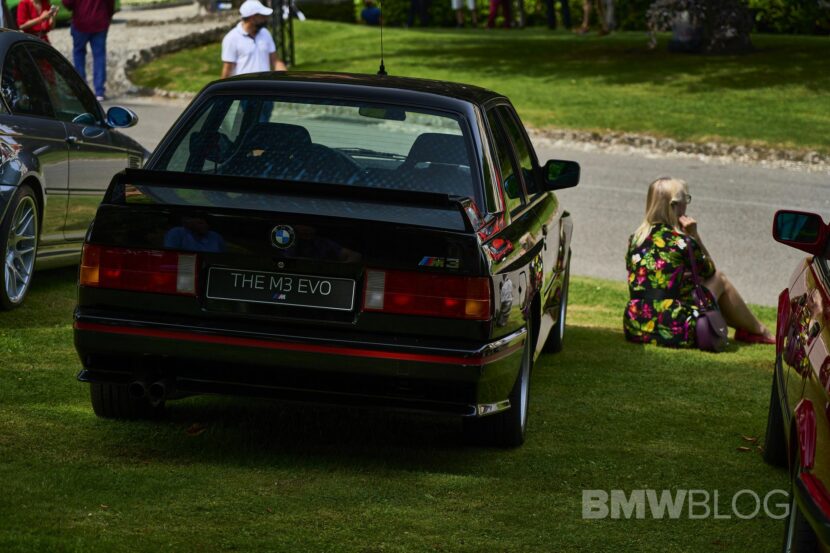
As the E30 M3 evolved, so did its engine, with variants like the Evolution, Evolution II, and Sport Evolution pushing boundaries with increased power outputs. The Sport Evolution, with its 2.5-liter engine producing 238 hp, stood as the pinnacle of E30 M3 performance, showcasing BMW M’s commitment to continuous improvement.
Unrivaled Track Dominance

The E30 M3’s track prowess was unmatched, with victories in series like the DTM, BTCC, and 24 Hours of Spa, showcasing its engineering brilliance and racing pedigree. Its race-bred components and performance-oriented design set it apart from its competitors, making it a force to be reckoned with on any circuit.
Notably, the E30 M3’s suspension, brakes, transmission, and differential were all designed with racing priorities in mind, highlighting BMW M’s commitment to performance both on and off the track.
Chassis Excellence

The E30 M3’s chassis was ahead of its time, featuring fully independent double-wishbone suspension, precise damping, and unassisted mechanical steering that provided unparalleled feedback to the driver. With a near-perfect 50/50 weight distribution and a focus on lightweight construction, the E30 M3 offered a balanced and responsive driving experience.
Every component of the chassis was meticulously engineered to enhance performance and handling, making the E30 M3 a benchmark for driving dynamics and agility in its class.
Convertible Innovation

Introduced in 1988, the E30 M3 Convertible showcased BMW M’s ability to create an open-top variant without compromising performance. Retaining the same engineering excellence as the coupe version, the convertible offered drivers a sensory-rich driving experience with enhanced auditory and tactile feedback.
Despite its convertible configuration, the E30 M3 Convertible maintained identical performance characteristics to the coupe, highlighting its versatility and driving dynamics. Exclusive to European markets, the convertible exemplified BMW M’s dedication to delivering uncompromising performance in all variants.
The Legacy of the Sport Evolution
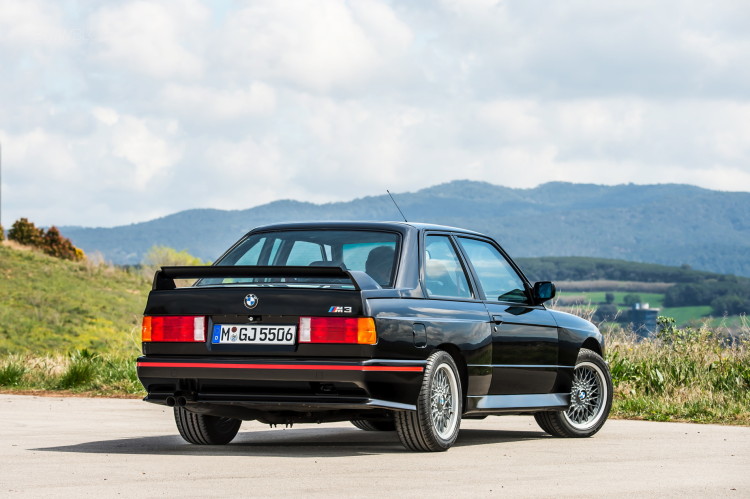
The Sport Evolution variant marked the pinnacle of E30 M3 performance, boasting a 238 hp 2.5-liter engine and exclusive features like adjustable front aprons and racing seats. Limited to just 600 units, the Sport Evolution remains a coveted model among enthusiasts and collectors for its rarity and exceptional performance.
With distinctive paint finishes and a focus on performance enhancements, the Sport Evolution represented the ultimate expression of what the E30 M3 platform could achieve, solidifying its status as an iconic and highly sought-after model.
Production Timeline and Market Variants

Produced from 1986 to 1991, the E30 M3 saw approximately 18,000 units built, with variations in power outputs and features across different markets. North American models were equipped with the 2.3-liter engine, while European and Japanese variants offered varying specifications, adding to the car’s diverse appeal.
Special editions like the M3 Europameister and M3 Cecotto further enhanced the E30 M3’s collectibility and exclusivity, with limited production numbers and unique features that appealed to enthusiasts and collectors alike.
Today, the E30 M3 commands significant value in the market, with well-maintained examples fetching premium prices based on their condition, rarity, and historical significance. The Sport Evolution models, in particular, are highly sought after for their performance and scarcity.
Influencing the Automotive Landscape
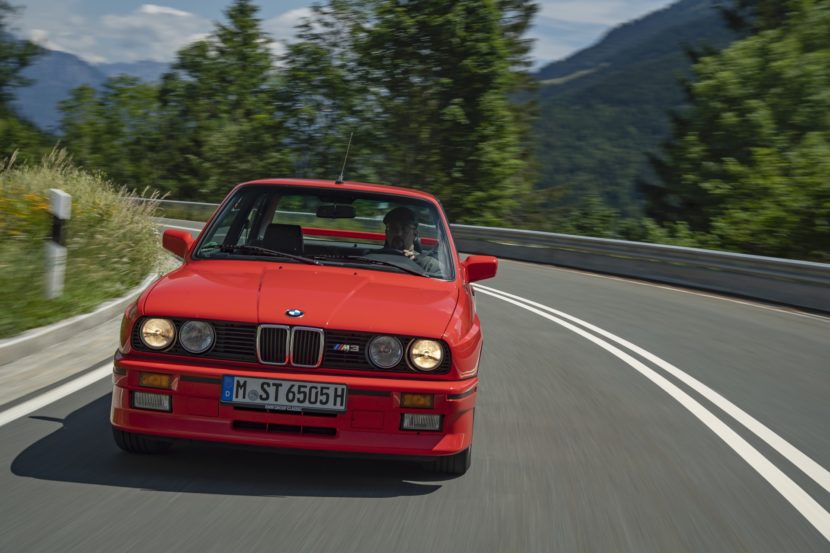
The E30 M3 revolutionized the compact sport sedan segment, setting a new benchmark for performance and engineering excellence. Competitors like the Audi Sport Quattro S1 E2 and Mercedes 190E 2.5-16 Evo II followed suit, but the E30 M3 remained the standard-bearer for driving dynamics and agility.
Its influence extended










5 Revolutionary Apple Products on the Horizon for 2026

10 Incredible Android DIY Hacks!

Cyberpunk 2077: The Endless Battle with Phantom Liberty’s Chimera Tank

Unlock the Power of Adobe Premiere with a Free App for Android Phones – Tech Advisor

iBeer: How One App Took the App Store by Storm

Apple’s Innovative Approach to Fitness Tracking: A Screenless Solution in the Works

Rolls-Royce Cullinan Dominates Russian Luxury Car Market, Outselling Spectre, Ghost & Phantom Combined

Microsoft Appoints Brad Smith as Head of Corporate Communications

The Lord of the Rings: War in the North Legacy Edition – Patch One: The Beginning of a New Journey

EU Takes Action Against Instagram and Facebook for Violating Illegal Content Rules

Warning: Facebook Creators Face Monetization Loss for Stealing and Reposting Videos

Facebook’s New Look: A Blend of Instagram’s Style

Facebook Compliance: ICE-tracking Page Removed After US Government Intervention

Facebook and Instagram to Reduce Personalized Ads for European Users

InstaDub: Meta’s AI Translation Tool for Instagram Videos

Reclaim Your Account: Facebook and Instagram Launch New Hub for Account Recovery

Meta discontinues Messenger apps for Windows and macOS

Breaking Updates: Meta Connect 2025 Unveils Latest Developments
10 Incredible Android DIY Hacks!

Does a Cheap 2018 Smartphone beat a 2013 Flagship?

Samsung Galaxy S9 & S9+ UNBOXING!

Samsung Galaxy S9 Plus vs iPhone X

The BEST $300 Phone (2018) ft. MKBHD, Technical Guruji, iJustine + More

Samsung Galaxy S9 Plus Gaming Review! (vs OnePlus 5T)

THE BEST PHONE HTC EVER MADE?

The Truth about Google?

Samsung S9/ S9+ vs iPhone X vs Galaxy Note 8 Battery Life DRAIN TEST
-
 Facebook11 months ago
EU Takes Action Against Instagram and Facebook for Violating Illegal Content Rules
-
 Facebook12 months ago
Warning: Facebook Creators Face Monetization Loss for Stealing and Reposting Videos
-
 Facebook10 months ago
Facebook’s New Look: A Blend of Instagram’s Style
-
 Facebook12 months ago
Facebook Compliance: ICE-tracking Page Removed After US Government Intervention
-
 Facebook10 months ago
Facebook and Instagram to Reduce Personalized Ads for European Users
-
 Facebook12 months ago
InstaDub: Meta’s AI Translation Tool for Instagram Videos
-
 Facebook10 months ago
Reclaim Your Account: Facebook and Instagram Launch New Hub for Account Recovery
-
 Apple11 months ago
Meta discontinues Messenger apps for Windows and macOS
