
Startups
iBeer: How One App Took the App Store by Storm

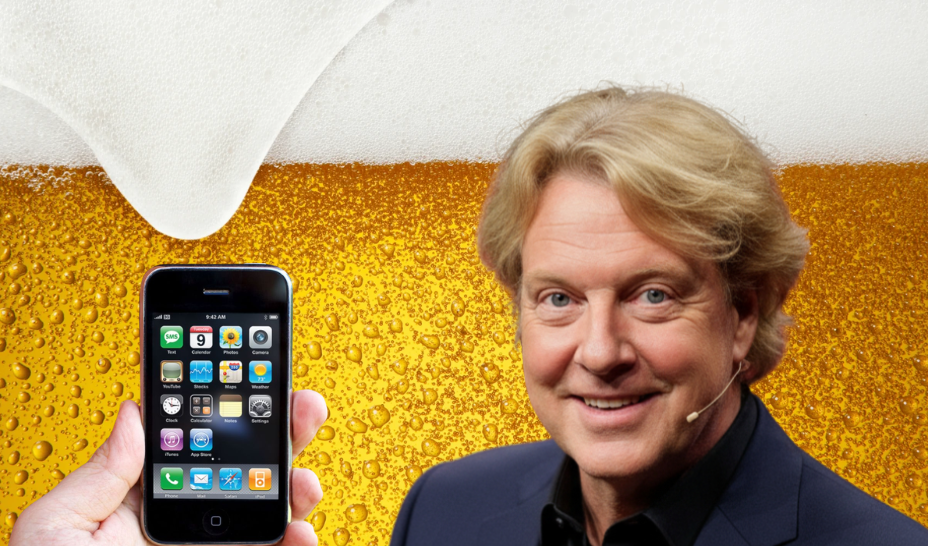
In July of 2008, Steve Jobs and Apple were in full preparation for the launch of Apple’s highly anticipated, and now very familiar, App Store. Jobs was quoted in The New York Times as saying: “The quality and the sophistication of the applications you can write for the iPhone is in a different class.” In a somewhat comedic sense, he was not wrong.
The App Store launched with over 500 applications, carefully selected and curated to showcase the original iPhone’s latest technology, cue accelerometer. There were games, productivity tools, social networks and, inevitably, apps whose primary purpose was simply to demonstrate what the new device could do.
Of this initial release, it was an app that made it look like your phone was a glass of beer which gained some of the most attention.
In this article, we dive into the story behind iBeer, the context of its release, the magician who created it, and how a virtual beer became one of the defining examples of the early App Store.
The magic behind iBeer
The person behind iBeer was Steve Sheraton, a magician and creator of technology-based illusions. Before the iPhone, Sheraton had already experimented with turning a mobile device into a convincing virtual drink. He created E-spresso, a video trick that made the device appear to contain a cup of coffee.
The iPhone, however, gave him something the Palm Pilot didn’t have: an accelerometer. Rather than simply displaying a video of a drink, Sheraton could make the illusion react to the way the phone was being held.
Tilt the device and the liquid would move with it. Turn it far enough and the beer would appear to pour towards the edge of the screen. A simple idea, but the effect was remarkably convincing for 2008.
Before the App Store existed, Sheraton had already found an audience. He uploaded a video of the iPhone “beer‑drinking” illusion to YouTube, where it attracted millions of views. People wanted to know how they could get the trick themselves, so Sheraton began selling video file for just over €2, reportedly making a few thousand euro a day at its peak.
As Apple prepared the App Store for launch, iBeer was a perfect demonstration of the iPhone’s capabilities. The application could make use of the accelerometer, touchscreen and high-quality display while requiring almost no explanation. You didn’t need to understand what an accelerometer was. Someone could simply hand you an iPhone, tilt it towards their mouth and pretend to drink it.
When the App Store opened on 10 July, 2008, iBeer was among its first applications. Sheraton kept the same price and, according to his later accounts, the app quickly reached the top of the App Store charts.
The copycats arrive
The success of iBeer also demonstrated something else about the new App Store: if an idea worked, it could be copied very quickly.
Later in 2008, Molson Coors, the Canadian-American multinational drink and brewing company, released iPint, a free application featuring a remarkably similar virtual beer. Unlike iBeer, however, iPint was effectively an advertising vehicle for Carling beer.
Sheraton and his company, Hottrix, objected to the similarities and eventually took legal action. The dispute highlighted one of the strange realities of the early App Store. A developer could create something seemingly trivial, distribute it to millions of people and suddenly find themselves competing with major corporations.
It was a sign of just how quickly the economics of software were changing.
Why iBeer mattered
Looking back at iBeer today, it is tempting to dismiss it as little more than a novelty app. In many ways, that’s exactly what it was. It didn’t make you more productive, help you navigate or connect you with friends. It made your phone look like a pint of beer. But that was also its appeal.
In 2008, the smartphone was still something new and slightly magical. The idea that a phone could respond to how you tilted it, display convincing graphics and run software created by almost anyone was genuinely exciting.
iBeer condensed all of that complexity into an instantaneously understandable experience. It exemplified the unique nature of the App Store, where software no longer had to be exclusively sourced from tech giants or installed from physical media. Anyone with a creative spark could develop an app and reach a vast audience with ease.
Steve Jobs recognized the distinctiveness of these applications, and while iBeer may not have been the pinnacle of sophistication he envisioned, it captured something even more valuable. The App Store provided a platform for individuals to create and distribute software that was accessible, experimental, and at times, whimsical.
In essence, the App Store democratized software development, allowing for a diverse range of offerings that were both innovative and entertaining. This shift in the industry marked a significant departure from the traditional model of software distribution, empowering creators to showcase their imagination and reach a global audience.
Overall, iBeer and similar apps embodied the spirit of creativity and accessibility that defined the new era of software development. The App Store revolutionized the way software was conceived, developed, and distributed, opening doors for countless individuals to share their ideas with the world.







Cyberpunk 2077: The Endless Battle with Phantom Liberty’s Chimera Tank

Unlock the Power of Adobe Premiere with a Free App for Android Phones – Tech Advisor

iBeer: How One App Took the App Store by Storm

Apple’s Innovative Approach to Fitness Tracking: A Screenless Solution in the Works

Rolls-Royce Cullinan Dominates Russian Luxury Car Market, Outselling Spectre, Ghost & Phantom Combined

Microsoft Appoints Brad Smith as Head of Corporate Communications

The Lord of the Rings: War in the North Legacy Edition – Patch One: The Beginning of a New Journey

Revolutionizing Android: 5 Innovative Features That Will Transform User Experience

Xiaomi 18 Pro: Global Launch Set for 2026, Confirmed by Tech Advisor

EU Takes Action Against Instagram and Facebook for Violating Illegal Content Rules

Warning: Facebook Creators Face Monetization Loss for Stealing and Reposting Videos

Facebook’s New Look: A Blend of Instagram’s Style

Facebook Compliance: ICE-tracking Page Removed After US Government Intervention

Facebook and Instagram to Reduce Personalized Ads for European Users

InstaDub: Meta’s AI Translation Tool for Instagram Videos

Reclaim Your Account: Facebook and Instagram Launch New Hub for Account Recovery

Meta discontinues Messenger apps for Windows and macOS

Breaking Updates: Meta Connect 2025 Unveils Latest Developments

Does a Cheap 2018 Smartphone beat a 2013 Flagship?

Samsung Galaxy S9 & S9+ UNBOXING!

Samsung Galaxy S9 Plus vs iPhone X

The BEST $300 Phone (2018) ft. MKBHD, Technical Guruji, iJustine + More

Samsung Galaxy S9 Plus Gaming Review! (vs OnePlus 5T)

THE BEST PHONE HTC EVER MADE?

The Truth about Google?

Samsung S9/ S9+ vs iPhone X vs Galaxy Note 8 Battery Life DRAIN TEST

Samsung S9 / S9+ vs Mate 10 Pro vs iPhone X Charging SPEED Test
-
 Facebook11 months ago
EU Takes Action Against Instagram and Facebook for Violating Illegal Content Rules
-
 Facebook12 months ago
Warning: Facebook Creators Face Monetization Loss for Stealing and Reposting Videos
-
 Facebook10 months ago
Facebook’s New Look: A Blend of Instagram’s Style
-
 Facebook12 months ago
Facebook Compliance: ICE-tracking Page Removed After US Government Intervention
-
 Facebook10 months ago
Facebook and Instagram to Reduce Personalized Ads for European Users
-
 Facebook12 months ago
InstaDub: Meta’s AI Translation Tool for Instagram Videos
-
 Facebook10 months ago
Reclaim Your Account: Facebook and Instagram Launch New Hub for Account Recovery
-
 Apple11 months ago
Meta discontinues Messenger apps for Windows and macOS
