
Cars
Embracing Tradition: Nissan Advocates for Physical Car Controls

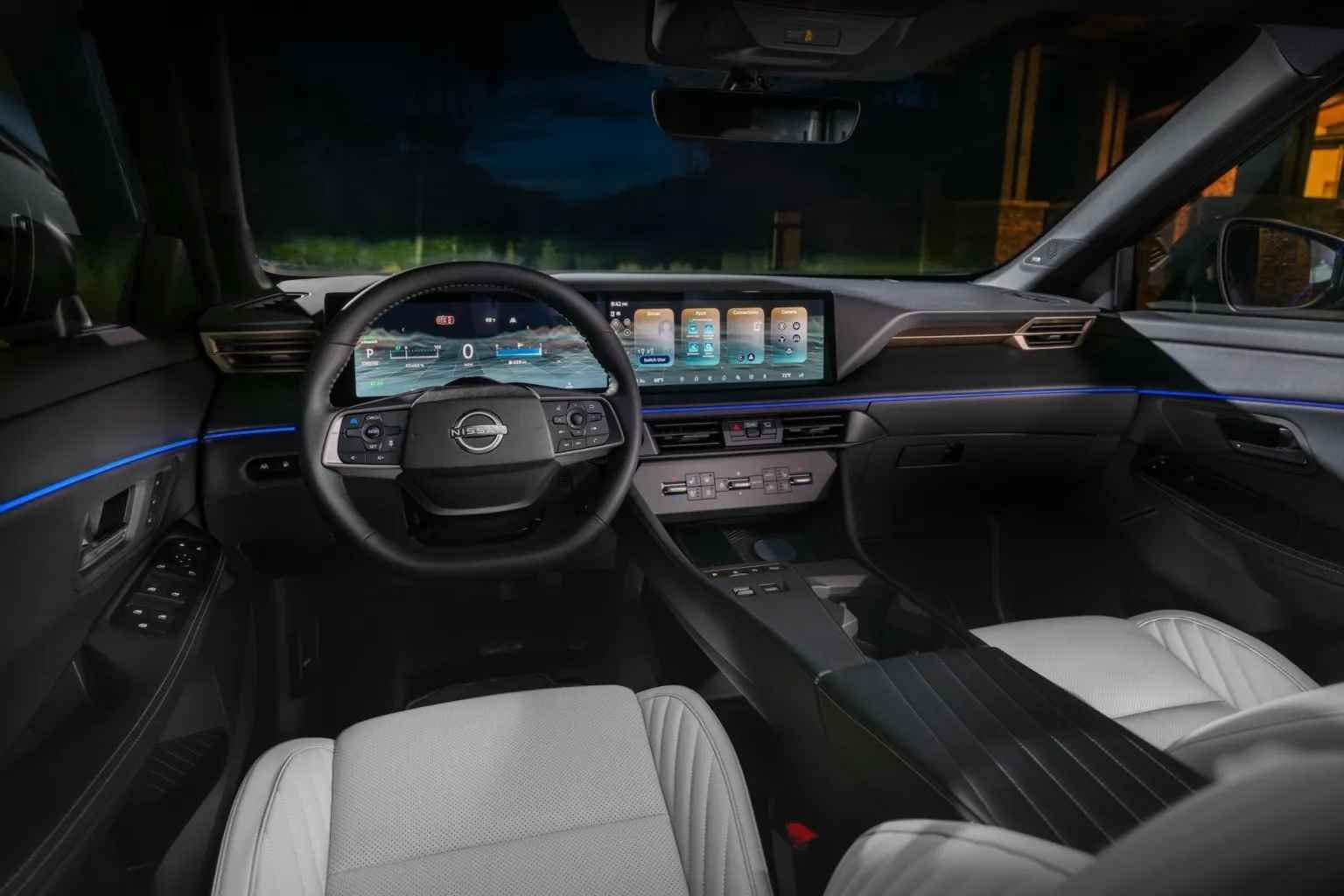
The Importance of Physical Controls in Car Interiors
In the ever-evolving landscape of car design, Nissan stands firm in its belief that some controls are better left as physical buttons and knobs, even as touchscreens dominate modern car interiors.
Ponz Pandikuthira, the Senior Vice President and Chief Planning Officer for Nissan North America, emphasizes that the design of vehicle controls should not be solely focused on aesthetics. While touchscreen interfaces may offer a sleek appearance, the functionality can be compromised in the process.
“It is tempting to shift all controls to a screen and make them digital switches, resulting in a clean interior design. However, this approach often leads to a decline in functionality,” Pandikuthira explains.
Drivers have grown accustomed to the tactile feedback provided by traditional controls, which enhances the intuitive nature of operating them. One such example is the audio system, where physical knobs for volume and power control offer a more seamless adjustment experience compared to navigating through a digital display.
Notably, Nissan is not the only automaker advocating for the retention of physical controls. Companies like Volvo, Audi, Mercedes, and Volkswagen are also reintroducing more tangible interfaces in their vehicles.
In contrast, BMW is placing its bet on touchscreen and voice-controlled interiors, driven by the belief that younger consumers are increasingly comfortable interacting with technology through these mediums.
As the automotive industry continues to innovate, striking a balance between modern digital interfaces and traditional physical controls remains a crucial consideration for enhancing the overall user experience behind the wheel.
Source: The Drive













THE BEST PHONE HTC EVER MADE?

Revolutionizing Luxury: The 2027 Bentley Torcal – A Fusion of British Elegance and Porsche Performance

Activision’s Halo Takeover: A Game-Changing Xbox Overhaul

AI Revolution: Amazon’s Seller Tools Embrace Anthropic’s Claude

Ragdoll Rampage: The Malicious Mod Menace

Apple Reportedly Developing a Fitbit Air Competitor, Tech Advisor Reports

AI: A Threat to Employee Retention?

AI Sentry: Enhancing Military Logistics Security with U.S. TRANSCOM’s Deployed Technology

Oregon Woman’s Lawsuit Against Apple for AirTag Safety Alert Failures

EU Takes Action Against Instagram and Facebook for Violating Illegal Content Rules

Warning: Facebook Creators Face Monetization Loss for Stealing and Reposting Videos

Facebook’s New Look: A Blend of Instagram’s Style

Facebook Compliance: ICE-tracking Page Removed After US Government Intervention

Facebook and Instagram to Reduce Personalized Ads for European Users

InstaDub: Meta’s AI Translation Tool for Instagram Videos

Reclaim Your Account: Facebook and Instagram Launch New Hub for Account Recovery

Meta discontinues Messenger apps for Windows and macOS

Breaking Updates: Meta Connect 2025 Unveils Latest Developments
THE BEST PHONE HTC EVER MADE?

The Truth about Google?

Samsung S9/ S9+ vs iPhone X vs Galaxy Note 8 Battery Life DRAIN TEST

Samsung S9 / S9+ vs Mate 10 Pro vs iPhone X Charging SPEED Test

The BEST APPS in 2018 – ft. MKBHD, UrAvgConsumer, iJustine + More

The ULTIMATE Smartphone Unboxing!!

HOW GOOD can a $250 Smartphone Camera be!?

10 Android Apps you NEED to try in 2018

They could not believe how cheap this Phone is
-
 Facebook11 months ago
EU Takes Action Against Instagram and Facebook for Violating Illegal Content Rules
-
 Facebook11 months ago
Warning: Facebook Creators Face Monetization Loss for Stealing and Reposting Videos
-
 Facebook10 months ago
Facebook’s New Look: A Blend of Instagram’s Style
-
 Facebook11 months ago
Facebook Compliance: ICE-tracking Page Removed After US Government Intervention
-
 Facebook10 months ago
Facebook and Instagram to Reduce Personalized Ads for European Users
-
 Facebook11 months ago
InstaDub: Meta’s AI Translation Tool for Instagram Videos
-
 Facebook10 months ago
Reclaim Your Account: Facebook and Instagram Launch New Hub for Account Recovery
-
 Apple11 months ago
Meta discontinues Messenger apps for Windows and macOS
