
Security
Fortinet FortiOS and FortiProxy Vulnerabilities Exploited by Gunra Ransomware to Infiltrate Networks

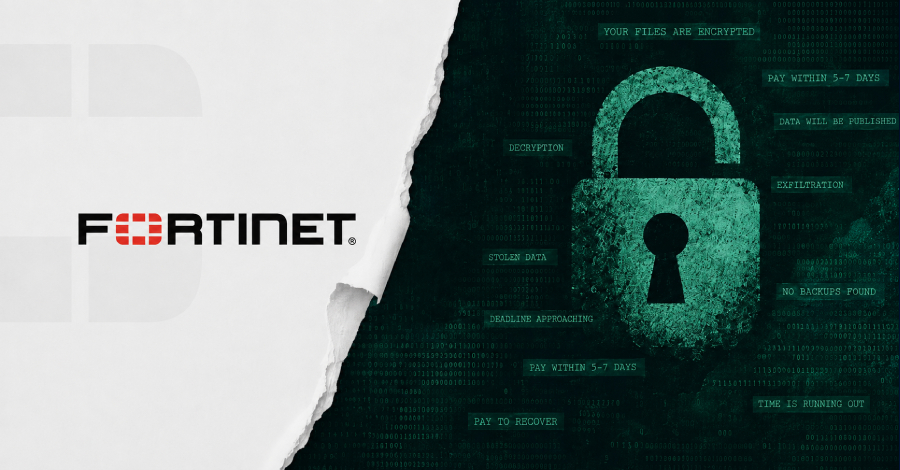
Warning Issued by U.S. and South Korea on Gunra Ransomware Attacks Targeting Critical Infrastructure
Cybersecurity and intelligence agencies from South Korea and the U.S. have issued a warning about Gunra ransomware attacks that are targeting critical infrastructure sectors and organizations globally.
The targets of these attacks include healthcare, financial services, government facilities, and professional services.
Chris Butera, the Acting Executive Assistant Director for Cybersecurity at CISA, emphasized that Gunra is part of a trend of ransomware attacks that are causing harm to organizations both in the U.S. and internationally.
These attacks involve exploiting security vulnerabilities in Fortinet FortiOS and FortiProxy appliances to gain initial access, followed by deploying the Gunra ransomware in a double extortion model that involves both data exfiltration and encryption.
Victims who do not pay the ransom within the specified time frame have their data leaked on a public site. The Ransomware.Live platform has listed 51 victims of Gunra since its emergence in April 2025, with most victims located in countries such as South Korea, Brazil, Spain, Thailand, and Hong Kong.
Notably, the majority of targets are in Australia, East Asia, and Europe, with only a few reported cases in Canada and the U.S.
The threat actor behind Gunra utilizes phishing as a primary attack vector to deliver malicious payloads and conducts negotiations through a WhatsApp-themed chat panel. The group is capable of encrypting large amounts of data quickly using advanced encryption techniques.
The group has launched a Ransomware-as-a-Service (RaaS) affiliate program, providing affiliates with tools to distribute the ransomware and earn profits.

The FBI reports that Gunra has rebranded itself with new aliases to expand its operations and recruit penetration testers and hackers to gain access to networks for ransom purposes.
Attack chains typically use Impacket libraries for lateral movement within networks and credential dumping from compromised servers.
To avoid detection, the group deletes logs and conducts malicious activities during specific hours. Data exfiltration is achieved through various methods, including the use of executable files.
The group has been observed targeting specific regions and industries, with a focus on encrypting critical assets such as database servers and NAS systems.
In some instances, the attackers have manipulated SSL-VPN appliances to intercept credentials and gain access to internal networks.
Gunra’s collaboration with a state-sponsored threat group has led to joint attacks using similar tactics and tools, highlighting the evolving landscape of cyber threats.
To protect against Gunra ransomware, organizations are advised to update systems regularly, patch known vulnerabilities, segment networks, and maintain secure backups.
The collaboration between state-sponsored groups and ransomware actors underscores the need for enhanced cybersecurity measures to combat evolving threats in the digital landscape.







MYSTERY Package from Xiaomi – HUGE UNBOXING!

BYD’s Second-Generation Seal 07 Sedan: Bigger and Better than Ever in China

Reflections on the Gig Economy: The Legacy of Amazon’s Mechanical Turk

Concerns Surrounding Potential Overhaul of Galaxy S27 Ultra Cameras

Revolutionizing Success: A Comprehensive Guide to Strategic Framework for Startups in 2026

Unveiling Google’s Latest: Introducing the Pixel 11A

Google Resolves Bug Causing iPhone Apps to Crash

Eye-catching Orange Mercedes-AMG One Turns Heads in Geneva

Ragnarok Approaches: Pre-order God of War Laufey on September 29th

EU Takes Action Against Instagram and Facebook for Violating Illegal Content Rules

Warning: Facebook Creators Face Monetization Loss for Stealing and Reposting Videos

Facebook’s New Look: A Blend of Instagram’s Style

Facebook Compliance: ICE-tracking Page Removed After US Government Intervention

Facebook and Instagram to Reduce Personalized Ads for European Users

InstaDub: Meta’s AI Translation Tool for Instagram Videos

Reclaim Your Account: Facebook and Instagram Launch New Hub for Account Recovery

Meta discontinues Messenger apps for Windows and macOS

Breaking Updates: Meta Connect 2025 Unveils Latest Developments
MYSTERY Package from Xiaomi – HUGE UNBOXING!

5 ways you’re using your Smartphone wrong.

THE INSANE DUAL BATTERY SMARTPHONE!

ELEPHONE U PRO UNBOXING AND REVIEW!

Mrwhosetheboss – 1 Million Subscribers

The Surprising TRUTH about Samsung – 15 things you did not know.

10 Incredible Android DIY Hacks!

Does a Cheap 2018 Smartphone beat a 2013 Flagship?

Samsung Galaxy S9 & S9+ UNBOXING!
-
 Facebook11 months ago
EU Takes Action Against Instagram and Facebook for Violating Illegal Content Rules
-
 Facebook12 months ago
Warning: Facebook Creators Face Monetization Loss for Stealing and Reposting Videos
-
 Facebook10 months ago
Facebook’s New Look: A Blend of Instagram’s Style
-
 Facebook12 months ago
Facebook Compliance: ICE-tracking Page Removed After US Government Intervention
-
 Facebook10 months ago
Facebook and Instagram to Reduce Personalized Ads for European Users
-
 Facebook12 months ago
InstaDub: Meta’s AI Translation Tool for Instagram Videos
-
 Facebook10 months ago
Reclaim Your Account: Facebook and Instagram Launch New Hub for Account Recovery
-
 Apple11 months ago
Meta discontinues Messenger apps for Windows and macOS
