The Rise and Fall of Ransom Cartel: A Deep Dive into the Notorious Ransomware Operation
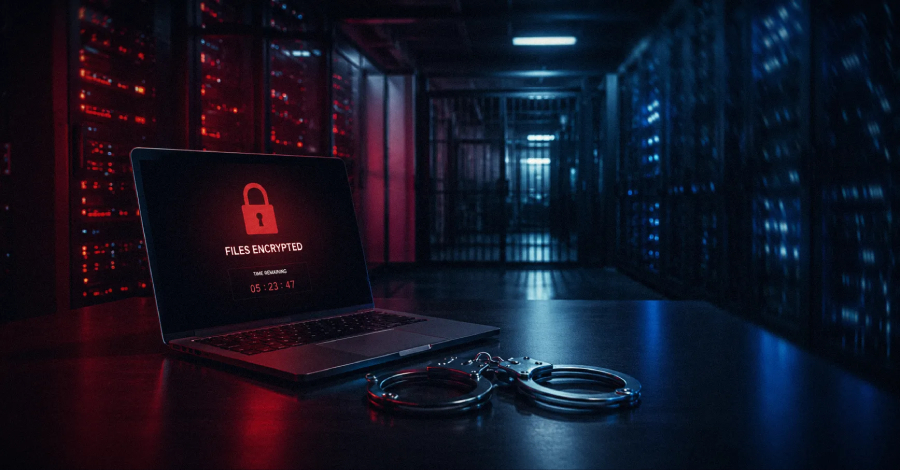
A recent federal ruling in Alexandria, Virginia, marked the culmination of a high-profile case involving Maksim Silnikau, the mastermind behind the infamous Ransom Cartel ransomware-as-a-service operation. Silnikau, a 40-year-old Belarusian national known by aliases such as “J.P. Morgan,” “lansky,” and “xxx,” was sentenced to 16 years in prison on August 5 for orchestrating a series of cyberattacks targeting numerous companies across the United States and abroad.
According to the U.S. Department of Justice, Ransom Cartel, under Silnikau’s guidance, launched attacks on at least 18 organizations between 2021 and 2023, with victims spanning states like California, New York, and Nebraska. While Silnikau himself did not execute most of these intrusions, he played a pivotal role in facilitating the criminal activities through the development of ransomware software, procurement of stolen credentials from initial access brokers, and establishment of an underground platform where affiliates coordinated attacks, negotiated ransoms, and shared illicit profits.
Notably, Silnikau implemented a sophisticated rating system to incentivize affiliates based on their productivity, utilizing cryptocurrency mixers to obfuscate ransom payments. The sentencing of Silnikau comes in the wake of similar high-profile cybercrime cases, such as the prosecution of Yaroslav Vasinskyi in 2024 for his involvement in over 2,500 REvil attacks, which amassed over $700 million in ransom demands.
While the recent ruling in Virginia addressed a portion of the charges against Silnikau, a separate federal case in New Jersey involving two accomplices remains unresolved, underscoring the complex and far-reaching nature of cybercrime investigations.
The timeline of Ransom Cartel’s operations has been a subject of contention, with prosecutors dating its inception to May 2021, while cybersecurity experts from Palo Alto Networks’ Unit 42 only identified the group in mid-January 2022. The unsealing of an indictment in 2024 shed light on the evolution of Ransom Cartel, revealing its transformation from a covert cybercriminal entity to a brazenly publicized ransomware service provider.
One of the pivotal moments in the case was the exposure of an advertisement posted by Silnikau’s group on a Russian-language cybercrime forum in May 2021, soliciting access to corporate networks outside the Commonwealth of Independent States and setting a minimum revenue threshold for potential victims. The indictment detailed the group’s activities up until April 2023, when Silnikau was actively engaged in negotiating ransom terms, a few months before his apprehension in July 2023.
Contrary to speculations linking Ransom Cartel to the notorious REvil ransomware gang, cybersecurity analysts from Unit 42 refrained from dubbing the former as a rebrand of the latter. While both groups shared similarities, including access to the original REvil source code, the distinct operational tactics and technical nuances set them apart.
Aside from his involvement in Ransom Cartel, Silnikau faced separate charges in New Jersey related to the Angler Exploit Kit malvertising scheme, underscoring the multifaceted nature of his criminal activities. The ongoing pursuit of his accomplices, including Volodymyr Kadariya and Andrei Tarasov, highlights the collaborative efforts of law enforcement agencies in dismantling sophisticated cybercrime networks.
As the case unfolds, the cybersecurity landscape continues to evolve, underscoring the critical need for proactive measures to combat the growing threat of ransomware and other malicious activities in the digital realm.