
Apple
Revolutionizing Technology: The MacBook Air and Its Impact on the Industry

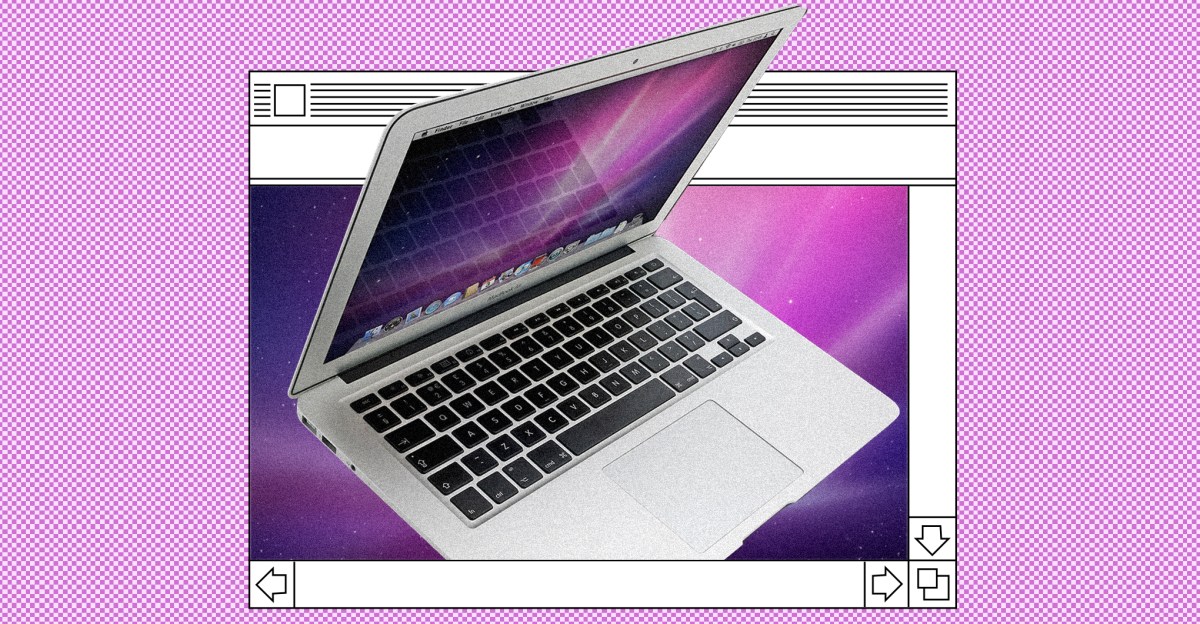
This article is part of a series on Apple’s 50th anniversary, explore more here.
In January 2008, Steve Jobs unveiled the MacBook Air at Macworld, pulling it out of a manila envelope on stage.
Following this dramatic reveal, Windows PC executives were sent into a frenzy, attempting to fit their plastic laptops into office envelopes, only to tear through the paper in a desperate bid to imitate Apple’s sleek design. Thus began years of imitation.
While Apple’s history often highlights iconic products like the iPod, iPhone, and iPad, the MacBook Air played a crucial role in shaping the modern laptop as we know it today.
During the MacBook Air’s debut in 2008, I was covering Windows laptops at CES in Las Vegas. The contrast between the MacBook Air’s aluminum design, full-size keyboard, and display, and the Windows laptops of the time, such as Lenovo’s IdeaPad U110, highlighted Apple’s innovative approach.
Despite initial skepticism, the MacBook Air laid the foundation for a new era of laptops. While criticized for its lack of a DVD drive, limited USB ports, and high price tag, the MacBook Air set the stage for thinner, more mobile laptops.
Over the years, the MacBook Air went through three significant phases that revolutionized the computer industry.
Act 1: An Overpriced Showpiece (2008–2010)
One distinctive feature of the early MacBook Air models was the drop-down port door, concealing essential ports behind a small flap. Despite criticisms for its high price and limited features, the MacBook Air’s emphasis on thinness and mobility set it apart from traditional laptops.
While the competition struggled to match Apple’s design, Dell’s Adamo XPS, a thin and impractical alternative, failed to gain traction in the market.
Act 2: A Mainstream Marvel (2010–2018)
The 2010 redesign of the MacBook Air marked a significant turning point, making features like flash storage, improved battery life, and a full-size trackpad standard. This transformation positioned the MacBook Air as a mainstream laptop accessible to a wider audience.
As Apple integrated iPhone and iPad features into the MacBook Air, the Windows PC market responded with “ultrabooks,” but none could match the seamless experience offered by Apple’s hardware-software integration.
Apple’s vertical integration allowed for a superior user experience, highlighting the limitations of Windows laptops with third-party trackpad drivers.
Act 3: A Silicon Savior (2020–present)
In 2020, Apple transitioned to its M-series silicon, further enhancing the MacBook Air’s performance and efficiency. With improved battery life and reduced heat generation, the MacBook Air became synonymous with innovation in laptop design.
As the PC industry raced to catch up, Apple’s control over both hardware and software allowed for a seamless user experience, setting new benchmarks for laptop performance.
The MacBook Air’s evolution reflects Apple’s ability to turn compromise into aspiration, driving the industry to emulate its success.
Follow topics and authors related to this article for more content like this and receive email updates.
- Joanna Stern
- Apple
- Tech








California Highway Patrol Unveils Last Chevrolet Camaro in Fleet

Revolutionizing Home Entertainment: The Fire TV Stick 4K’s Power-Saving Feature

Arkansas Semiconductor Institute: Pioneering Innovation in Technology

The Isle of Beautiful Monsters: A First-person RPG Adventure

The Genius Unhackable Samsung Phone: Unveiling Two Major Weaknesses

Google Pixel Watch 5: Pour Another Round

Navigating the Real Estate Market: Essential Guidelines for Buyers and Sellers

Google Unveils Powerful Gemini 4, Reserved for Trusted Cyber Defenders

Beware: DarkSword Malware Hidden in Fake $500 iPhone Duo Page

EU Takes Action Against Instagram and Facebook for Violating Illegal Content Rules

Warning: Facebook Creators Face Monetization Loss for Stealing and Reposting Videos

Facebook’s New Look: A Blend of Instagram’s Style

Facebook Compliance: ICE-tracking Page Removed After US Government Intervention

Facebook and Instagram to Reduce Personalized Ads for European Users

InstaDub: Meta’s AI Translation Tool for Instagram Videos

Reclaim Your Account: Facebook and Instagram Launch New Hub for Account Recovery

Meta discontinues Messenger apps for Windows and macOS

Breaking Updates: Meta Connect 2025 Unveils Latest Developments

Unboxing the First Ever Samsung Galaxy S!!

Huawei P Smart – Huawei’s new Killer Budget Smartphone!

MYSTERY Package from Xiaomi – HUGE UNBOXING!

5 ways you’re using your Smartphone wrong.

THE INSANE DUAL BATTERY SMARTPHONE!

ELEPHONE U PRO UNBOXING AND REVIEW!

Mrwhosetheboss – 1 Million Subscribers

The Surprising TRUTH about Samsung – 15 things you did not know.

10 Incredible Android DIY Hacks!
-
 Facebook11 months ago
EU Takes Action Against Instagram and Facebook for Violating Illegal Content Rules
-
 Facebook12 months ago
Warning: Facebook Creators Face Monetization Loss for Stealing and Reposting Videos
-
 Facebook10 months ago
Facebook’s New Look: A Blend of Instagram’s Style
-
 Facebook12 months ago
Facebook Compliance: ICE-tracking Page Removed After US Government Intervention
-
 Facebook10 months ago
Facebook and Instagram to Reduce Personalized Ads for European Users
-
 Facebook12 months ago
InstaDub: Meta’s AI Translation Tool for Instagram Videos
-
 Facebook10 months ago
Reclaim Your Account: Facebook and Instagram Launch New Hub for Account Recovery
-
 Apple12 months ago
Meta discontinues Messenger apps for Windows and macOS
