
Microsoft
Microsoft Expands Superintelligence Team with Ai2 Researcher Additions

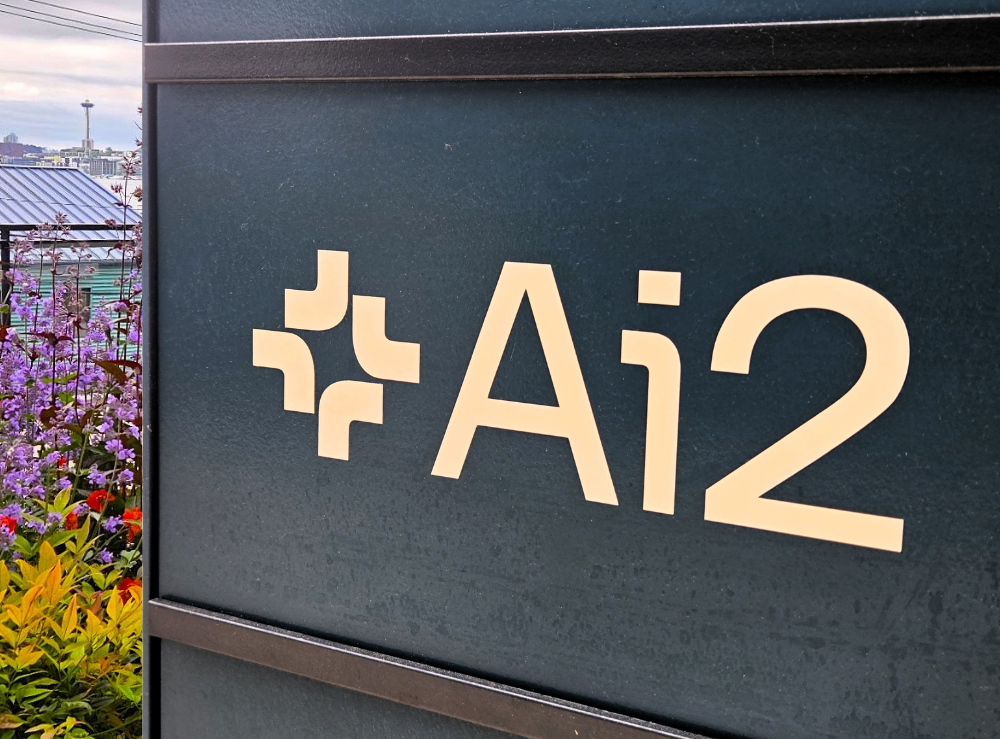
The Allen Institute for AI Sees Wave of Departures to Microsoft
A recent revelation has shown that the exodus of talent from the Allen Institute for AI to Microsoft is more significant than previously understood. At least 10 former Ai2 staff members and researchers have made the transition to the tech giant, with a core focus on the OLMo open-source model project based in Seattle.
Among the notable hires are former Ai2 CEO Ali Farhadi, former COO Sophie Lebrecht, and research leaders Hanna Hajishirzi and Ranjay Krishna. The influx of talent also includes Luca Soldaini, Kyle Lo, Dirk Groeneveld, Pete Walsh, Matt Jordan, and Jake Poznanski.
These individuals have integrated into Microsoft’s Superintelligence team, under the leadership of Microsoft AI CEO Mustafa Suleyman. The team is dedicated to advancing AI systems in various sectors, such as healthcare, energy, and AI companions, with a focus on “humanist superintelligence.”
Microsoft’s strategic hiring from Ai2 signifies a shift towards reducing reliance on external sources for AI models. The expertise brought over from Ai2 complements Microsoft’s objectives in efficient and open model development, an area where Ai2 has excelled.
Confirmation from Ai2 indicates that the researchers who moved to Microsoft are no longer affiliated with the institute. Despite the departures, Ai2 remains steadfast in its mission to foster an open AI ecosystem and drive AI innovation for the greater good, particularly in healthcare, science, and environmental research.
Highlighting Ai2’s ongoing momentum, a recent development includes the launch of a new computing cluster as part of the OMAI initiative, supported by the NSF and Nvidia. This initiative aims to accelerate scientific research through Open Multimodal AI Infrastructure.
The departure of Ali Farhadi as CEO earlier this year highlighted the financial challenges faced by nonprofit organizations operating at the forefront of AI research. The high costs associated with extreme-scale model research prompted a strategic review by Ai2’s board.
Furthermore, changes in Ai2’s funding environment, particularly with the primary backing from the Fund for Science and Technology, have influenced recent departures. Despite these shifts, Ai2’s core mission and work ethos remain unchanged.
One distinguishing aspect of Ai2 is its commitment to open-source AI, setting it apart from other industry players. The institute’s practice of releasing full model details, training data, code, and evaluation tools fosters transparency and collaboration within the AI community.
Notable figures such as Noah Smith, the senior research director at Ai2 and a professor at the University of Washington, continue to drive innovation within the institute. The legacy of Ai2, established by Microsoft co-founder Paul Allen in 2014, emphasizes AI research for societal benefit.
As Ai2 navigates leadership transitions and strategic realignments, the institute remains dedicated to long-term research, open model initiatives, and the application of AI in diverse fields such as scientific discovery and environmental science. The commitment to advancing AI in an open and collaborative manner remains paramount in Ai2’s vision.











Microsoft Executive’s Warning: The Decline of App Pricing Power

Football Manager 27: Get Ready for Kickoff with the Ultimate Match Day Experience Trailer!

Google Pixel 11a: A Closer Look at the Familiar Design

Cerebras Systems’ Andrew Feldman: A Disruptive Force in 2026

The Halide Camera App Revolutionizes iPhone 18 Pro Photography with Full Aperture Control

Google Explores Paid Partnerships with Publishers for AI-Driven Search Results

Siri Home Hub: Apple’s Latest Smart Assistant Set to Debut on October 13

Revolutionizing the Road: BMW i3 Series Unleashes Impressive Performance and Extended Driving Range in 2027

Sneak Peek: Vibrant New Shades Unveiled for Amazon’s Latest Budget-Friendly Kindle

EU Takes Action Against Instagram and Facebook for Violating Illegal Content Rules

Warning: Facebook Creators Face Monetization Loss for Stealing and Reposting Videos

Facebook’s New Look: A Blend of Instagram’s Style

Facebook Compliance: ICE-tracking Page Removed After US Government Intervention

Facebook and Instagram to Reduce Personalized Ads for European Users

InstaDub: Meta’s AI Translation Tool for Instagram Videos

Reclaim Your Account: Facebook and Instagram Launch New Hub for Account Recovery

Meta discontinues Messenger apps for Windows and macOS

Breaking Updates: Meta Connect 2025 Unveils Latest Developments

Huawei P Smart – Huawei’s new Killer Budget Smartphone!

MYSTERY Package from Xiaomi – HUGE UNBOXING!

5 ways you’re using your Smartphone wrong.

THE INSANE DUAL BATTERY SMARTPHONE!

ELEPHONE U PRO UNBOXING AND REVIEW!

Mrwhosetheboss – 1 Million Subscribers

The Surprising TRUTH about Samsung – 15 things you did not know.

10 Incredible Android DIY Hacks!

Does a Cheap 2018 Smartphone beat a 2013 Flagship?
-
 Facebook11 months ago
EU Takes Action Against Instagram and Facebook for Violating Illegal Content Rules
-
 Facebook12 months ago
Warning: Facebook Creators Face Monetization Loss for Stealing and Reposting Videos
-
 Facebook10 months ago
Facebook’s New Look: A Blend of Instagram’s Style
-
 Facebook12 months ago
Facebook Compliance: ICE-tracking Page Removed After US Government Intervention
-
 Facebook10 months ago
Facebook and Instagram to Reduce Personalized Ads for European Users
-
 Facebook12 months ago
InstaDub: Meta’s AI Translation Tool for Instagram Videos
-
 Facebook10 months ago
Reclaim Your Account: Facebook and Instagram Launch New Hub for Account Recovery
-
 Apple11 months ago
Meta discontinues Messenger apps for Windows and macOS
