
Mobile Tech
Protecting Yourself from Advanced Phishing and Text Scams in 2026

into valid HTML code:
Scams have become much harder to spot than they used to be. Years ago, you could usually recognize a scam by the obvious spelling mistakes, strange email addresses, or ridiculous promises. Now, scammers impersonate banks, delivery companies, government agencies, and even people you know.
The dangerous part is how convincing everything can look. A scam message might use a real company logo, a fake website that looks almost identical to the official one, or a phone number that appears to come from a trusted business. Now we even have to worry about scammers using AI-generated voices to make it sound like a family member or friend is calling for help.
Most scams have one thing in common: they want you to react before you think. They’ll try to scare you, excite you, confuse you, or pressure you into acting quickly. If you know the biggest warning signs ahead of time, it becomes much easier to slow down and protect yourself. Here are a few tips.
They Create a Sense of Urgency
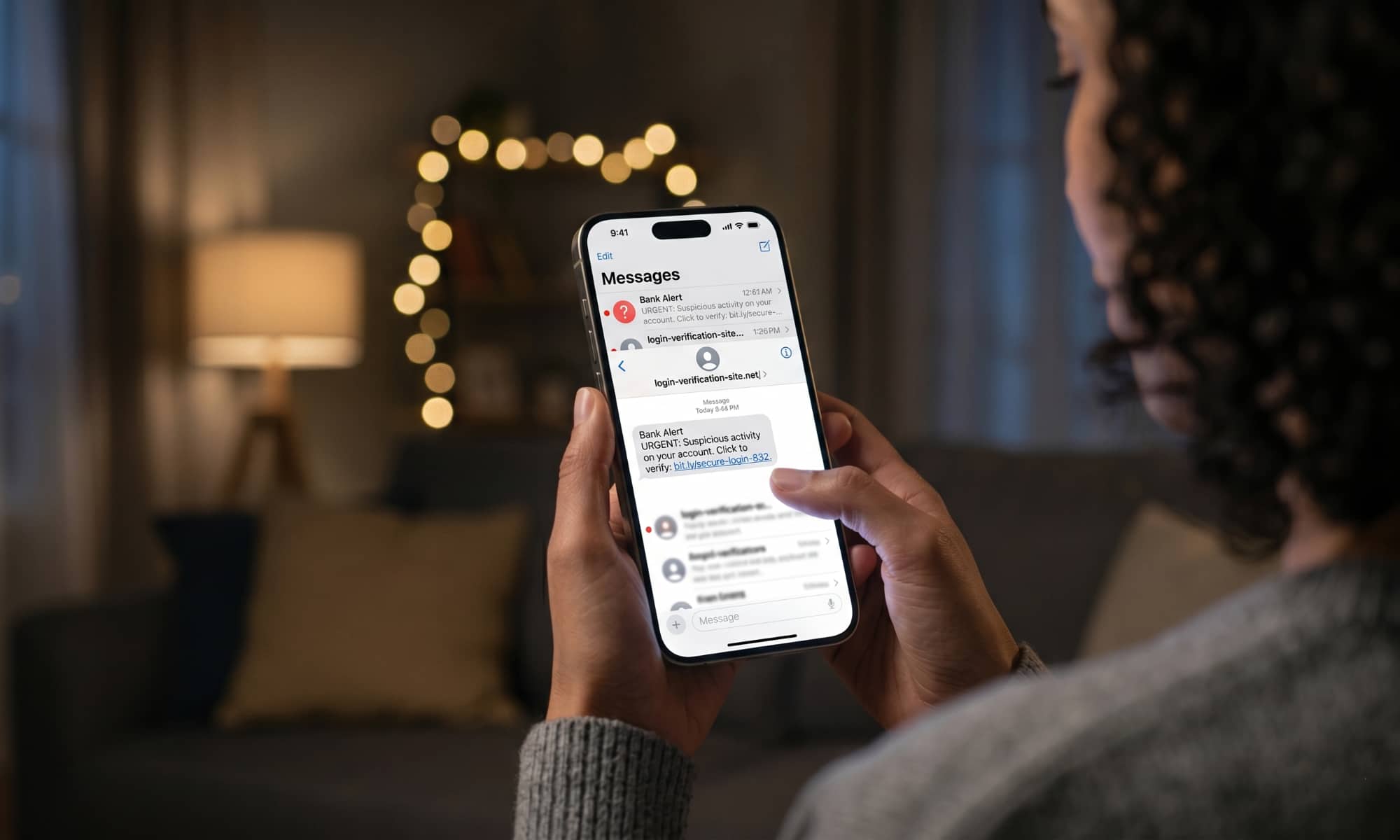
One of the most common scam tactics is making you feel like you have to act immediately. The message might say your account will be locked, your payment failed, or your bank account has been compromised. The goal is to make you panic before you can stop and think.
Scammers know that urgency makes people careless. When you feel rushed, you’re more likely to tap a link, call a fake phone number, or share information you’d normally keep private. That’s why so many scams include threats, warnings, or language that makes the situation feel like an emergency.
You might see messages saying your iPhone has been hacked or your bank card was used for a suspicious purchase. Combine that with scams pretending to be from Apple, Amazon, your bank, or a government agency, and you might actually start to worry.
Whether the threat is real or fake, the safest move is to pause. You can and should take your time, as legitimate companies rarely require you to act immediately — especially since they know about all these scams too. If you’re talking to an official company representative on the phone, they will fully understand your need to hang up and call them back at a legitimate number.
Don’t tap the link or call the number in the message. Open the official app or website yourself, or contact the company using a number you already know is legitimate.
The Message Contains Suspicious Links
Scam messages often include links that look normal at first glance. They may pretend to lead to your bank’s website, a delivery company, or an online store. Once you tap the link, you’ll likely land on a fake website designed to steal your login credentials, credit card number, or verification code.
Some fake links are easy to spot because they contain misspelled company names or strange, random characters. Others are much more convincing, as scammers often add extra words to a domain, use shortened links, or create pages that visually copy the official website.
If you’re on your iPhone, you can long-press a link to preview where it goes before opening it. Still, the best option is to avoid links in unexpected messages altogether. If a message claims there’s a problem with your account, open the official app or type the website address manually. If it’s true, you’ll usually see the notification there as well.
The Offer Sounds Too Good to Be True
Scammers don’t always use fear; sometimes they use excitement. They’ll offer free iPads, guaranteed investment returns, high-paying remote jobs, giveaways, or you suddenly won a lottery you never participated in.
Of course, who doesn’t want free stuff? But if someone says you can make thousands of dollars with no experience, win a prize without entering, or receive money from a stranger online, it’s time to slow down. Legitimate opportunities rarely arrive out of nowhere with no strings attached.
Fake job scams are especially common. A recruiter may offer a great salary, flexible hours, and easy tasks, then ask you to pay for equipment, training, background checks, or crypto transactions. Real employers don’t usually ask new hires to send money before starting.
Before trusting any offer, ask yourself whether it makes sense. Why would this person contact you? Can you verify the company independently? Is there a real website, official email address, and consistent information outside the message you received?
They Pretend to Be Someone You Trust
Impersonation is one of the strongest tools a scammer can use. They may pretend to be your bank, Amazon, a delivery company, your boss, a friend, a family member, or a government agency. People naturally lower their guard when the message appears to come from a familiar name.
This is why you should be careful even when the sender looks legitimate. Phone numbers can be spoofed, email addresses can be faked, social media accounts can be copied, and company logos can be stolen. A message looking official doesn’t automatically make it real.
Family impersonation scams have also become more alarming because of AI voice cloning. A caller may sound like a relative and claim they’re in trouble, need money, or can’t speak for long. The voice may be convincing enough to make you panic.
If someone you know asks for money, secrecy, passwords, or urgent help, verify it through another method. Call them on a known number, ask a personal question, or contact another family member before doing anything.
The Message Has Strange Grammar or Formatting
Poor grammar, awkward wording, strange capitalization, and odd formatting can all be warning signs. Many scam campaigns are created quickly, translated poorly, or sent in large batches to thousands of people at once.
You might see missing words, unnatural phrases, random punctuation, weird spacing, or generic greetings like “Dear Customer.” Sometimes the message will sound almost right but still feel a little off. That awkwardness can be a clue that something isn’t legitimate.
With all of that said, grammar alone doesn’t prove something is a scam.
Some legitimate businesses may send poorly written messages, while scammers can craft polished and convincing emails, especially when utilizing AI writing tools. It is crucial to carefully scrutinize the entire message for red flags such as bad grammar, urgency, suspicious links, unusual payment requests, or demands for personal information.
One major warning sign is when a party asks for sensitive information through text, email, phone, or social media. Reputable companies will never request your full password, complete credit card details, Social Security number, or two-factor authentication code in an unsolicited message. Scammers often use false pretenses to gather personal data under the guise of “verifying” your account, asking for details like bank account numbers, birthdates, addresses, or card information.
Legitimate companies may direct you to log in through their official app or website, but they should never prompt you to disclose private information via messaging. It is unsafe to enter personal details into a suspicious link, so always access the official platform independently before taking any action. If in doubt, cease communication with the sender and reach out to the company through verified channels, avoiding contact information provided in the suspicious message.
Another common tactic employed by scammers is refusing secure payment methods that offer buyer protection, such as PayPal or credit card payments. Instead, they may insist on cryptocurrency, wire transfers, gift cards, or other irreversible forms of payment. This is prevalent in various scams, including online selling, rental, ticket, and freelance schemes. If someone pressures you to use an unconventional payment method and shuns traditional options, it is wise to walk away from the transaction.
In the face of sophisticated modern scams, taking a moment to pause and verify information can safeguard you from financial loss and identity theft. Scammers employ various tactics to create a sense of urgency and manipulate victims into making hasty decisions. By remaining vigilant and recognizing warning signs like unusual payment requests, verification code solicitations, and requests for secrecy, you can protect your finances, accounts, and personal data.
When uncertain about the legitimacy of a message, refrain from responding and independently verify the information through official channels, websites, or trusted contacts. Scammers thrive on quick responses, so taking a few extra minutes to validate the communication can prevent potential harm. Remember, caution and diligence are essential in navigating the digital landscape and safeguarding yourself from fraudulent activity.













MYSTERY Package from Xiaomi – HUGE UNBOXING!

BYD’s Second-Generation Seal 07 Sedan: Bigger and Better than Ever in China

Reflections on the Gig Economy: The Legacy of Amazon’s Mechanical Turk

Concerns Surrounding Potential Overhaul of Galaxy S27 Ultra Cameras

Revolutionizing Success: A Comprehensive Guide to Strategic Framework for Startups in 2026

Unveiling Google’s Latest: Introducing the Pixel 11A

Google Resolves Bug Causing iPhone Apps to Crash

Eye-catching Orange Mercedes-AMG One Turns Heads in Geneva

Ragnarok Approaches: Pre-order God of War Laufey on September 29th

EU Takes Action Against Instagram and Facebook for Violating Illegal Content Rules

Warning: Facebook Creators Face Monetization Loss for Stealing and Reposting Videos

Facebook’s New Look: A Blend of Instagram’s Style

Facebook Compliance: ICE-tracking Page Removed After US Government Intervention

Facebook and Instagram to Reduce Personalized Ads for European Users

InstaDub: Meta’s AI Translation Tool for Instagram Videos

Reclaim Your Account: Facebook and Instagram Launch New Hub for Account Recovery

Meta discontinues Messenger apps for Windows and macOS

Breaking Updates: Meta Connect 2025 Unveils Latest Developments
MYSTERY Package from Xiaomi – HUGE UNBOXING!

5 ways you’re using your Smartphone wrong.

THE INSANE DUAL BATTERY SMARTPHONE!

ELEPHONE U PRO UNBOXING AND REVIEW!

Mrwhosetheboss – 1 Million Subscribers

The Surprising TRUTH about Samsung – 15 things you did not know.

10 Incredible Android DIY Hacks!

Does a Cheap 2018 Smartphone beat a 2013 Flagship?

Samsung Galaxy S9 & S9+ UNBOXING!
-
 Facebook11 months ago
EU Takes Action Against Instagram and Facebook for Violating Illegal Content Rules
-
 Facebook12 months ago
Warning: Facebook Creators Face Monetization Loss for Stealing and Reposting Videos
-
 Facebook10 months ago
Facebook’s New Look: A Blend of Instagram’s Style
-
 Facebook12 months ago
Facebook Compliance: ICE-tracking Page Removed After US Government Intervention
-
 Facebook10 months ago
Facebook and Instagram to Reduce Personalized Ads for European Users
-
 Facebook12 months ago
InstaDub: Meta’s AI Translation Tool for Instagram Videos
-
 Facebook10 months ago
Reclaim Your Account: Facebook and Instagram Launch New Hub for Account Recovery
-
 Apple11 months ago
Meta discontinues Messenger apps for Windows and macOS
